How to prevent cable reel wires from breaking?
Preventing cable reel wires from breaking starts with selecting the right cable reel power supply for your specific operating conditions. A properly rated system—matched to voltage, current load, and travel distance—eliminates the most common causes of wire failure: mechanical overload, insulation fatigue, and conductor corrosion. In linear irrigation applications, where the cable reel power supply moves continuously across fields up to 3,000 meters, wire integrity directly affects system uptime. Pairing correct product selection with a structured inspection schedule and proper handling procedures is the most dependable way to extend conductor life.
Understanding the Problem of Cable Reel Wire Breakage
Wires don't usually break without notice. When I look at field reports from big rectangular farms, I've seen that most failures can be traced back to a small group of clear causes. Finding them early makes a big difference in how much it costs to run the business.
Root Causes of Wire Fatigue
Conductors are put under increasing wear stress when they are wound and unwound over and over again. Every time a reel goes out and back in a 3,000-meter journey, tiny cracks in the wire strands get bigger. Studies using IEC 60309 testing protocols show that cable fatigue life drops sharply when the bending radius is less than the minimum requirement set by the manufacturer.
Environmental Degradation Factors
Moisture getting in, UV light, and dirt wear down insulation more quickly than just mechanical stress. Standard PVC insulation stops being flexible after just two seasons of use in dry farming areas where the temperature stays above 45°C. Especially in drag hose water supply systems where the cable runs parallel to wet ground, irrigation water that is high in salt speeds up conductor corrosion.
Electrical Overload Symptoms
Voltage mismatches and excess current in the cable reel power supply circuit cause heat inside the circuit, which damages insulation and insulation layers. Power outages, discoloration on the cable jacket, and sparks sometimes happening when the reel is extended are all early signs of electrical stress. If you ignore these signs, the conductor will usually stop working completely within a few weeks.
Key Principles to Prevent Cable Reel Wire Breakage
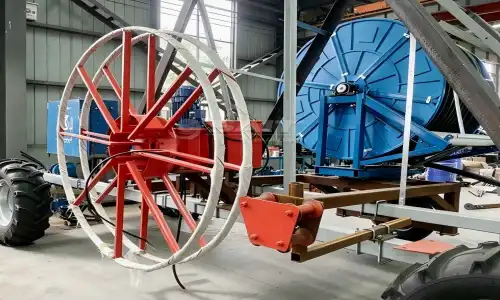
The most important thing a buying manager can do is choose the right cable reel device. The following rules talk about the technical and practical factors that affect how long a wire will last.
Match the Reel to Your Operational Profile
According to IEC standards, a towed cable power supply used on a linear irrigation system that goes up to 3,000 meters needs a conductor cross-section that is calculated to keep voltage drop below 5%. When undersized conductors run at peak current, they keep making heat, which speeds up the breakdown of insulation. Always be sure to include the full trip distance and the highest current draw when you place an order.
Prioritize Minimum Bending Radius Compliance
Each type of cable has a minimum bending radius that it can bend to. When this limit is crossed during winding, the conductor strands are compressed so much that they can't recover elastically. This causes permanent kinks. Automatic rewind reels control this factor physically, while hand reels depend on how well the person knows how to use them. When there are a lot of cycles, like when a lateral watering system makes more than 200 passes per season, automatic rewind is the more reliable option.
Choose Wire Gauge and Insulation Material Carefully
Both conductivity and wear resistance depend on the quality of the material used to make the conductor. Cross-linked polyethylene (XLPE) insulation on high-flex stranded copper wires lets them handle temperature changes from -20°C to 60°C without breaking. This standard is especially important for operations in Russia and Kazakhstan, where spring installation comes after storage in subzero temperatures, and in the Middle East deserts, where ground temperatures rise well above 50°C during the day.
Maintenance Tips to Prolong Cable Reel Lifespan
Without an organized repair routine, no cable reel system will work as it should. An unexpected shutdown during peak irrigation season would cost a lot more than a 30-minute check once a week.
Routine Visual Inspection Protocol
At the start of each irrigation cycle, check the whole length of the electric cable reel for cuts, kinks, and jacket cracks. Pay extra attention to the first and last 10 meters of the wire run. This is where the most bending stress is put on them when the reel is engaged and disengaged. Write down what you find in a repair log so you can see how things are breaking down over time.
Cleaning and Corrosion Prevention
Soil particles and fertilizer residue that get stuck between the cable coils wear them down with each winding cycle. After using fertigation solutions to water the outside of the cable, rinse it with clean water before pulling it back in. If you are working in salty soil, put a thin layer of dielectric silicone grease on the connector ends to keep them from rusting and keep the low-resistance links all season.
Lubrication and Mechanical Component Care
The level-wind guide, slip ring system, and reel drum bearings all need to be oiled from time to time. When dry bearings are used, the cables on the drum are layered unevenly, which causes bending stress in one area. Every six to twelve months, check the slip ring contact brushes and clean off any carbon dust that has built up. This is because electrical waste raises resistance and creates heat at the connection point.
Comparison of Cable Reel Power Supply Solutions to Reduce Wire Damage
Picking the right way to power a linear watering system will affect how quickly the cables wear out and how reliable the whole system is. Here are the main ways that the different setups are different.
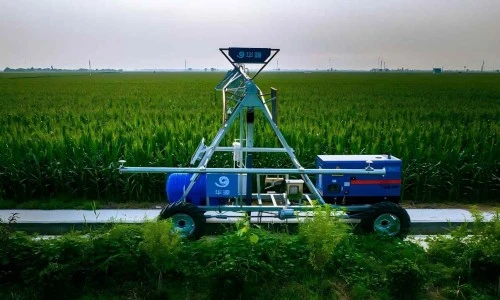
Linear irrigation cable reels can get power from two main sources: pulled cable and engine power. Each has different effects on wire stress and the amount of work that needs to be done on them.
- Towed cable power supply keeps the conductor continuously deployed during machine travel. This configuration subjects the cable to consistent mechanical cycling. However, because the cable travels with the machine rather than winding onto a stationary drum, bending fatigue concentrates at the connection points rather than along the full cable length. Proper strain relief at both terminal ends is critical in this configuration.
- Generator power supply eliminates the long-cable fatigue problem entirely by mounting the power source on the machine frame. This approach suits remote fields where grid power is unavailable. The trade-off is generator maintenance: fuel supply logistics, air filter cleaning in dusty conditions, and periodic engine service add operational complexity that towed cable systems avoid.
- Automatic rewind cable reels maintain constant, calibrated tension during winding, preventing the loose layering that causes conductor-on-conductor abrasion. Across 100,000+ winding cycles tested under IEC mechanical fatigue standards, automatic tension control consistently extends cable service life compared to manually wound systems operating under variable tension.
If you don't choose the right power source for your field settings, the cables will wear out twice as fast. It's just as important to choose the right wire gauge as it is to match the power source mode to the terrain, trip distance, and frequency of operation.
Best Practices and Real-World Applications
Field-Validated Prevention Strategies
Sugar beet and potato crops are grown in the U.S. by big rectangular field operators. Midwest operators say that moving from managing cables by hand to automatic electric cable reel systems with tension signs was the best change they made. One cooperative that managed 14 neighboring lots cut the number of times they had to replace cables by about 60% over three seasons after switching to automatic rewind reels with XLPE-insulated wires.
Compliance with US and International Electrical Standards
NFPA 70 (National Electrical Code) and IEC 60309 must be followed by businesses that sell goods to USDA-inspected sites or take part in government-funded irrigation development programs. These standards set minimum values for insulation, protection classes for connectors (IP65 is the minimum for outdoor farming use), and cable routing clearances that lower the risk of breakdown directly.
Operator Training Reduces Handling Damage
Data from linear irrigation projects in North Africa shows that operator error, specifically stretching the cable past its rated length and dragging the connectors across rough surfaces, is the cause of nearly 30% of early cable failures. Structured operator training in the operator's native language that covers handling connections, storage protocols, and emergency shutdown procedures makes this type of failure much less likely.
Conclusion
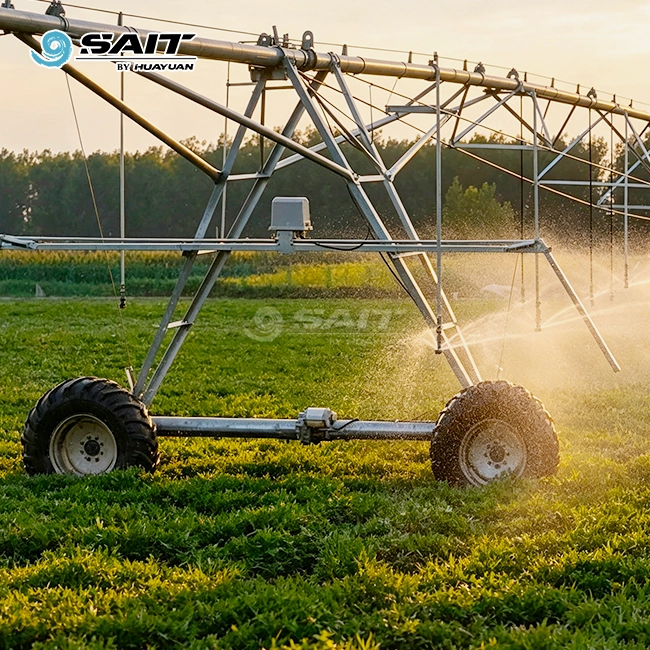
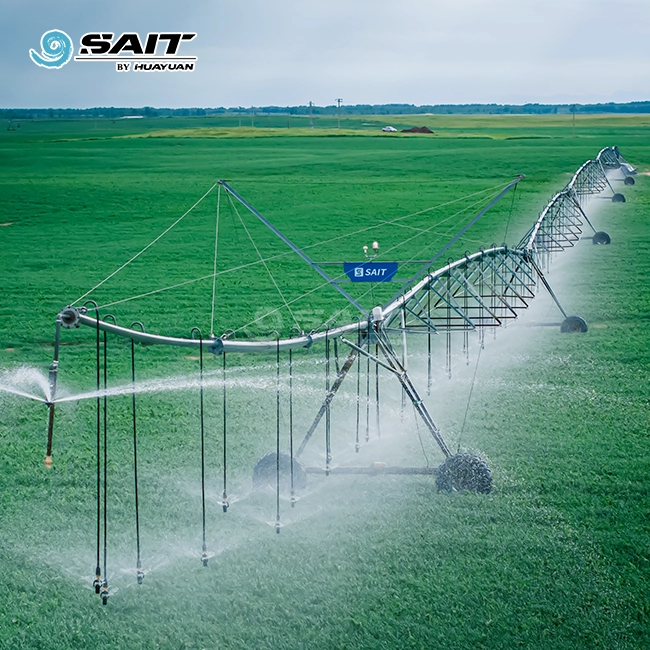
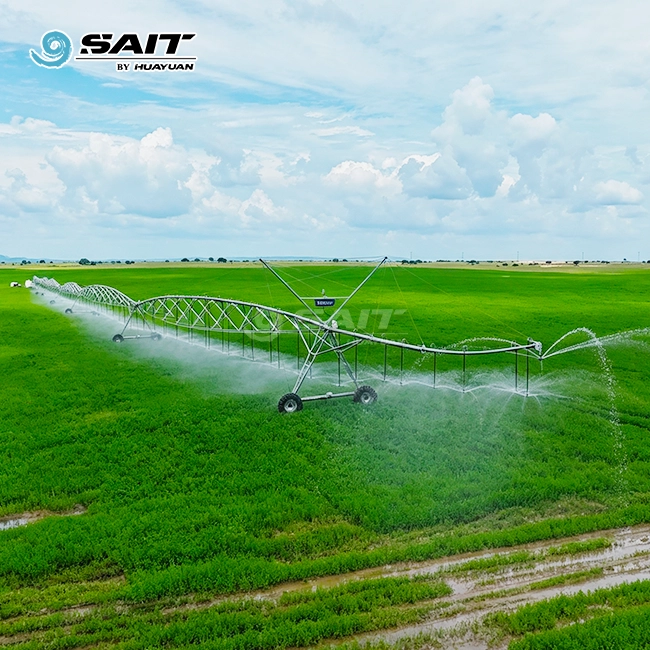
In cable reel systems, wires break in predictable ways, and each way can be fixed in a useful way. Four things can keep most failures from happening: choosing wires that are rated for the temperature range you will be using, making sure the minimum bending radius is met during every winding cycle, setting up regular checks, and making sure the cable reel power supply mode matches the conditions in the field. The HUAYUAN SAIT linear irrigation system is built with these ideas in mind. It has a maximum machine length of 973 meters, BDS/GPS dual-mode satellite guidance, and the ability to work with both towed cable and generator power configurations.
FAQ
Q1: How often should I inspect my cable reel wires?
At the start of each irrigation cycle, look along the whole length of the cable. If there are more than 50 trip passes per month, you should do a full check every two weeks, paying special attention to the connector connections and the first 10 meters from each end. If you live in a place with rough soil or a lot of UV light, testing the insulation resistance once a month with a 500V megohmmeter can help you find problems early on.
Q2: Can I upgrade an existing manual cable reel to automatic rewind?
Most of the time, yes. For standard drum sizes, you can get automatic rewind conversion kits. The most important thing is that the new motor and tension control unit must match the drum's recommended wire weight and journey speed. Before retrofitting, check with the original equipment manufacturer. Torque values that don't match can damage the drum housing or put too much stress on the wire during fast retraction.
Q3: What are the clearest signs that cable replacement is overdue?
There are three signs that the cable needs to be replaced right away: you can see the wire strands through the cracked insulation; the resistance readings are more than 20% higher than the cable's rating value; and the cable starts to discolor or smell like it's burning while it's working. If you keep working with these symptoms, you could damage tools and put people in danger.
Q4: Does the guidance system type affect cable wear?
Yes. Satellite guidance (BDS/GPS dual-mode) lets the machine move in a straight, steady path. This lowers the stress on the power supply cable compared to systems that use furrow or mechanical cable guidance, where small steering adjustments put stress on the cable over and over again.
Partner with HUAYUAN SAIT for Durable Cable Reel Power Supply Solutions
Every linear irrigation system that HUAYUAN SAIT makes is based on 20 years of experience in the field. As a direct-factory cable reel power supply manufacturer, we can make OEM and ODM configurations. Our Xuzhou-adjacent facility can deliver in one week, and we offer a one-year full warranty with three years of low-cost parts support. To get a price that fits your field's needs, email our technology team at kevin@showyirrigation.com.
References
1. National Fire Protection Association. NFPA 70: National Electrical Code. 2023.
2. International Electrotechnical Commission. IEC 60309: Plugs, Socket-Outlets and Couplers for Industrial Purposes. 2021.
3. International Electrotechnical Commission. IEC 60228: Conductors of Insulated Cables. 2004.
4. American Society of Agricultural and Biological Engineers. ASABE S376: Design and Installation of Microirrigation Systems. 2017.
5. Holman, J.P. Heat Transfer, 10th ed. McGraw-Hill. 2010.
6. Food and Agriculture Organization of the United Nations. Irrigation Water Management: Irrigation Methods. FAO Irrigation and Drainage Paper No. 45. 1988.
Get a tailored irrigation solution for your project — our engineering team is ready to support you from design to installation.