How to maintain a cable reel power supply?
Proper maintenance of a cable reel power supply starts with scheduled inspections, correct cleaning procedures, and timely component replacement. A cable reel power supply powers mobile irrigation equipment by managing controlled winding and unwinding of flexible electrical cables across field distances up to 3,000 meters. Without regular servicing, insulation degradation, mechanical fatigue, and moisture ingress can halt operations mid-season. Inspection cycles of every 6–12 months, combined with daily visual checks during active use, represent the baseline standard most agricultural engineers follow to protect both the equipment and the crops it serves.
Understanding Cable Reel Power Supply Maintenance


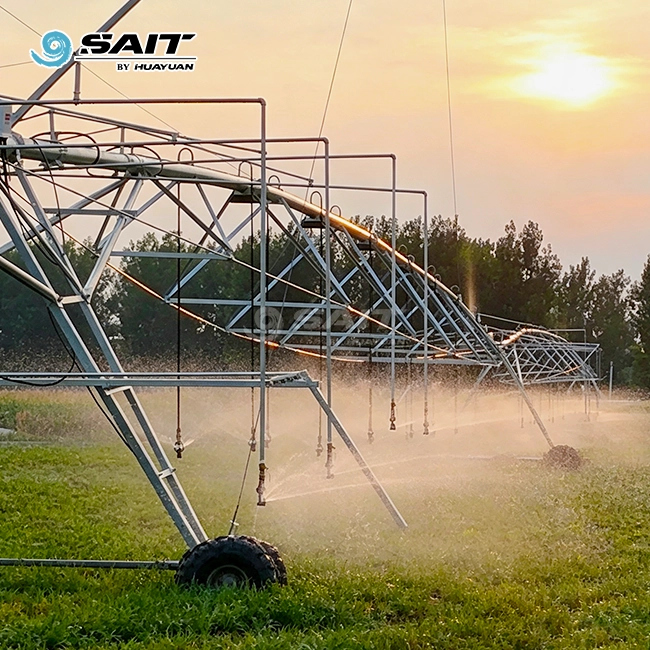
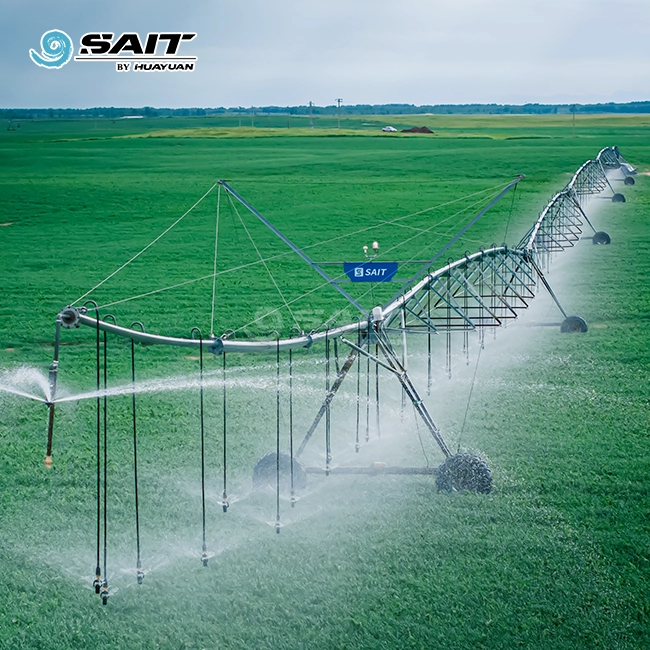
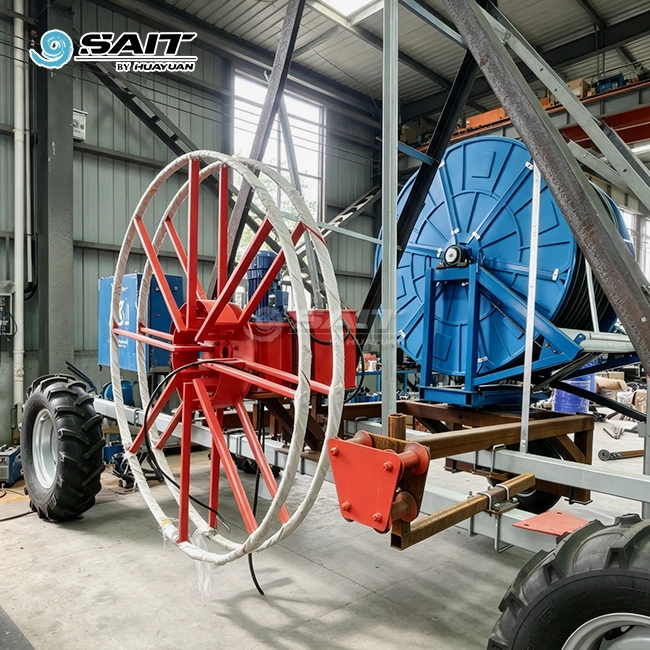
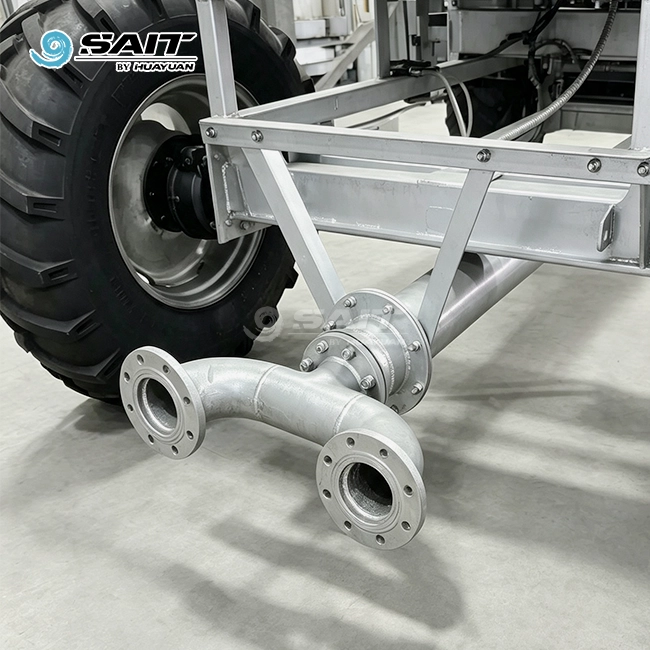
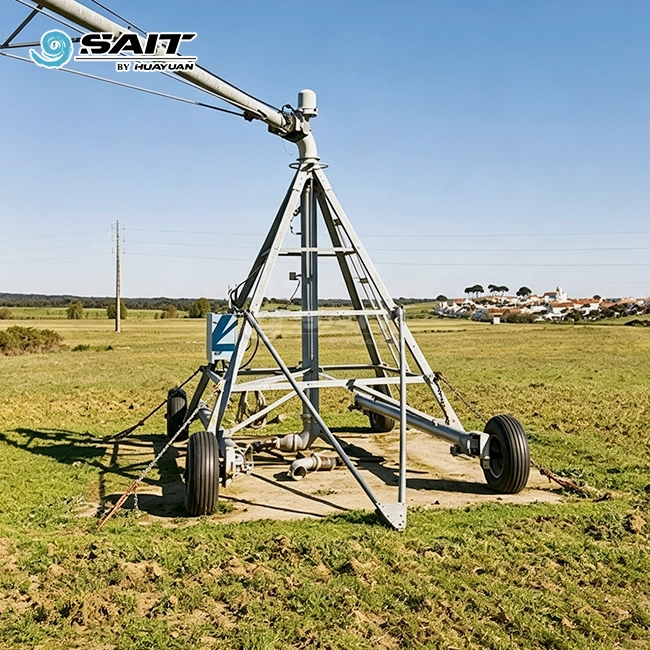
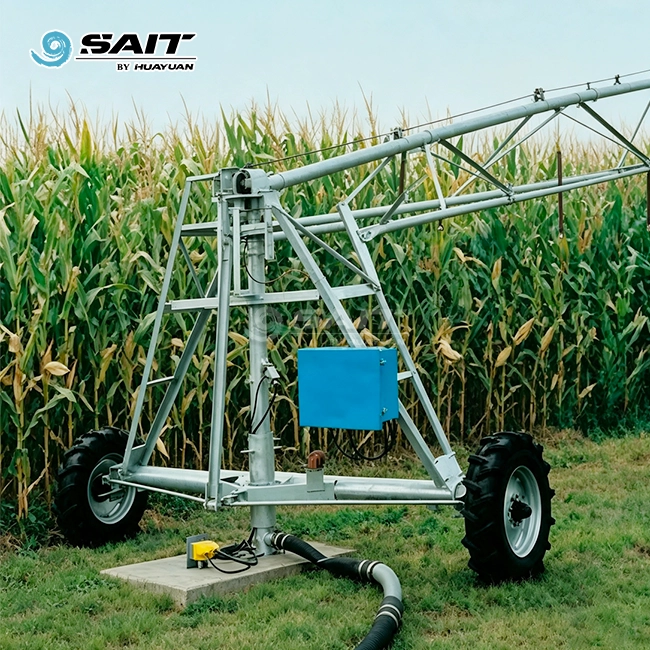
A cable reel power supply is more than just a wire spool. A precise electromechanical system feeds and retracts conductor cable all the time, making sure that a moving machine always gets a safe, stable voltage. In a linear irrigation system like the HUAYUAN SAIT lateral move irrigator, the reel moves across rectangular fields at speeds of up to 3,000 meters per pass. It moves perpendicular to the machine structure.
Types of Cable Reel Systems Used in Agriculture
Agricultural operations usually deal with three types of reels: towed cable systems that follow the drive unit, powered drum reels for longer runs that need more force, and units with generators built in for fields that are not connected to the power grid. The HUAYUAN SAIT machine line can work with both pulled cable and generator power source modes.
Why Maintenance Is Often Neglected
A lot of field workers don't pay much attention to the reel during inspections; instead, they look at the sprinkler heads, gearboxes, and guiding sensors. This assumption costs a lot. IEC 60309 standards say that to keep arc faults from happening, outdoor mobile uses for flexible wire assemblies need to have their dielectric strength and insulation resistance checked on a regular basis.
The Real Cost of Skipping Service
Service records for farm equipment regularly show that issues with the power drag system cause 23–31% of unplanned downtime for linear irrigation. A single breakdown in the middle of the season on a 240-hectare field can cause crop water stress in just 48 hours, mostly for sugarcane and veggies. Repairs that need to be done right away or crop loss cost a lot more than regular care.
Common Issues and Causes Affecting Cable Reel Power Supplies
Understanding how things break helps procurement teams choose the right product and make maintenance schedules that focus on real risk points instead of just following a list of things to do.
Cable Jacket Wear and Conductor Fatigue
When you wind cables over and over, the layers rub against each other. If the reel drum diameter is too small or the cable guide rollers are out of place, the outer jacket of the conductor cable will get worn down in just one growing season on fields where the machine moves 3,000 meters per irrigation cycle.
Environmental Ingress and Corrosion
The three main things that can damage reel drum bearings and slip ring contacts are water, fertilizer fumes, and soil dust. HUAYUAN SAIT linear irrigators can be used for fertigation, which exposes the electrical assembly to water vapor that is rich in nutrients. When these conditions happen, steel parts that don't have the right protective covering rust very quickly.
Electrical Overloads and Spring or Motor Faults
When cable sections are pinched together and fuses are not rated properly, short circuits can happen. This can damage the motor winding in motorized reels or wear out the retracting spring in spring-driven units. IEC 60309-compliant connections lower the risk of exposure, but it is still the operator's job to handle the load on the control panel side.
Step-by-Step Maintenance Guide for Cable Reel Power Supplies

Reactive repairs don't work as well as planned; consistent maintenance. On lateral move systems, the steps below work for both setups with pulled cables and setups driven by generators.
Step 1 — Visual Inspection and Electrical Testing
For the cable reel power supply, check the whole length of the cable for jacket cracks, pinch marks, or exposed conductors before each irrigation season. As needed by DIN VDE 0298, use a 500V megohmmeter to make sure that the insulation resistance is greater than 100 MΩ. Check the contacts on the socket and plug for oxidation or pitting, and make sure that the overload safety devices restart properly.
Step 2 — Cleaning and Bearing Lubrication
A low-pressure water rinse should be used to clean the housing, cable guide rollers, and reel drum. High-pressure jets that push water into bearing seals should be avoided. Put lithium-based grease on the drum shaft bearings and roller pins after they are dry. For slip ring touch areas where grease would attract dust, dry lubricant spray is a good choice.
Step 3 — Grounding Verification and Reinstallation Checks
Check to see if the grounding resistance between the reel frame and the machine body is less than 0.1 Ω. When you put something back together after taking it apart, make sure that the cable entry glands are tightened to the manufacturer's specifications and that the cable is wound under even tension. Based on standard cable cycle failure statistics, internal chafing from loose or uneven winding cuts conductor life by 30–40%.
Best Practices and Advanced Maintenance Strategies
Well-run businesses see reel maintenance as more than just regular servicing. They see it as part of a larger asset management system that is linked to data on field use and records of purchases.
Build a Documented Preventive Maintenance Program
Record the date of each check, the result of each measurement, and the replacement of any parts in a machine service record. This paperwork backs up warranty claims, helps find trends of failure, and shows that the irrigation authority followed the rules during checks. HUAYUAN SAIT offers a full one-year warranty for its power drag system and a low-cost three-year servicing program. Keeping correct service records is a direct factor in determining cost recovery.
Apply IoT Monitoring for Early Fault Detection
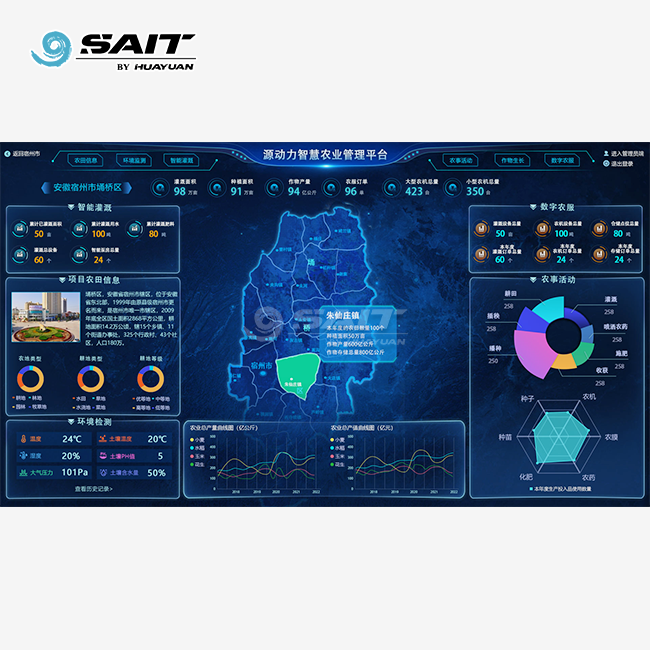
IoT sensor nodes can be connected to modern linear irrigation control systems, like the remote control electronic system on HUAYUAN SAIT machines, to keep an eye on motor current draw, cable temperature, and reel tension in real time.
Train Operators to Handle Reel Systems Correctly
Changes in the current signature often show up days before obvious wire damage, giving maintenance teams time to fix the problem before it happens.
Conclusion
Maintaining a cable reel power supply is a structured, repeatable process that protects the electrical backbone of your linear irrigation investment. Regular inspection intervals, correct lubrication, grounding verification, and operator training collectively reduce unplanned downtime and extend equipment service life across multiple seasons. Selecting equipment built to verified standards, with accessible spare parts and documented maintenance support, makes this process considerably more manageable. Machines that cover up to 240 hectares per unit at field utilization rates above 98% deliver measurable returns only when their power supply systems remain in reliable working condition throughout the irrigation season.
FAQ
Q1: How often should I schedule maintenance for a cable reel power supply?
Inspection every 6–12 months is the standard recommendation under IEC 60309 guidance. For high-duty-cycle agricultural applications where the machine completes daily travel runs, a pre-season full inspection combined with monthly visual checks during active operation is the appropriate baseline.
Q2: What precautions apply when the reel operates outdoors in wet conditions?
Verify that the cable entry points and connector housings carry at minimum an IP65 protection rating. After rain events or fertigation cycles, inspect housing seals and cable glands for moisture intrusion before resuming operation.
Q3: What are the signs that a cable reel needs immediate repair or replacement?
Visible jacket cracking, insulation resistance below 100 MΩ, abnormal heat at connector points, inconsistent drum tension during winding, or ground continuity readings above 0.1 Ω all indicate that the unit requires service before the next use. Operating through these warning signs risks electrical faults and machine damage.
Q4: Can spare parts be sourced long-term for agricultural cable reel systems?
HUAYUAN SAIT supplies spare parts at factory cost price for the lifetime of the machine, ensuring operators are not stranded by component discontinuation years after purchase.
Partner with HUAYUAN SAIT for Your Cable Reel Power Supply Needs
For cable reel power supply units, IEC 60309 guidelines say that inspections should be done every 6 to 12 months. For heavy-duty agricultural uses where the machine makes daily trip runs, a full checkup before the season starts should be the norm, along with monthly visual checks while the machine is in use. Email our technical team at kevin@showyirrigation.com.
References
1. International Electrotechnical Commission. IEC 60309: Plugs, Socket-Outlets and Couplers for Industrial Purposes. IEC, 2022.
2. Verband der Elektrotechnik Elektronik Informationstechnik. DIN VDE 0298: Use of Cables and Insulated Wires for Power Installations. VDE, 2019.
3. Food and Agriculture Organization of the United Nations. Irrigation Water Management: Irrigation Methods. FAO, 2020.
4. American Society of Agricultural and Biological Engineers. ASABE Standards: Design and Installation of Irrigation Systems. ASABE, 2021.
5. International Organization for Standardization. ISO 9227: Corrosion Tests in Artificial Atmospheres — Salt Spray Tests. ISO, 2022.
6. Evans, R. G., & King, B. A. Precision Irrigation Scheduling and Management for Agricultural Systems. USDA Agricultural Research Service, 2021.
Get a tailored irrigation solution for your project — our engineering team is ready to support you from design to installation.