Single-Channel Fertilizer Injection System: Is It Enough and How Does It Compare in Cost?
A single-channel fertilizer injection system delivers one concentrated nutrient solution directly into an irrigation main line with measurable accuracy. For most commercial greenhouse operators, open-field row crop farmers, and orchard managers, the real question is not whether this technology works — it does — but whether one injection channel covers their crop nutrition program and what that choice costs over time. This article breaks down how these systems function, how they stack up against multi-channel alternatives, and what B2B buyers in the U.S. market should weigh before purchasing.
Understanding Single-Channel Fertilizer Injection Systems

How the Technology Works
Either a measuring pump or a positive displacement pump are used by a single-channel nutrient dosing unit to inject a fertilizer solution into a line of pressured water. By controlling the injection rate based on real-time flow data, the technology keeps the Electrical Conductivity (EC) and pH levels fixed. HUAYUAN SAIT's unit can inject between 60 and 1,000 L/h and has a dosing range that can be adjusted from 10% to 100%. This means that it can be used for light fertigation as well as high-concentration programs.
Key Components You Should Know
The core unit has a pressure pump made of stainless steel that can handle 0.75 to 1.5 kW of power, an ARM9-based industrial tablet controller with a resolution of 1024x600 and EMC/ESD-grade protection, and a Threadx OS controller that can connect to 4G networks and output via RS485 cables. The IP55 rating of the cover keeps dust and water out of the electronics inside, which is very important in open-field settings where the equipment is always being seen.
Primary Application Environments
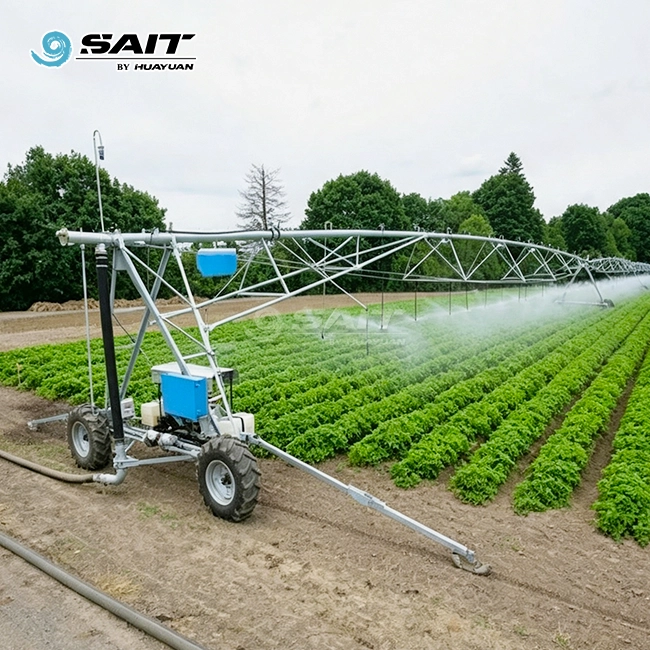
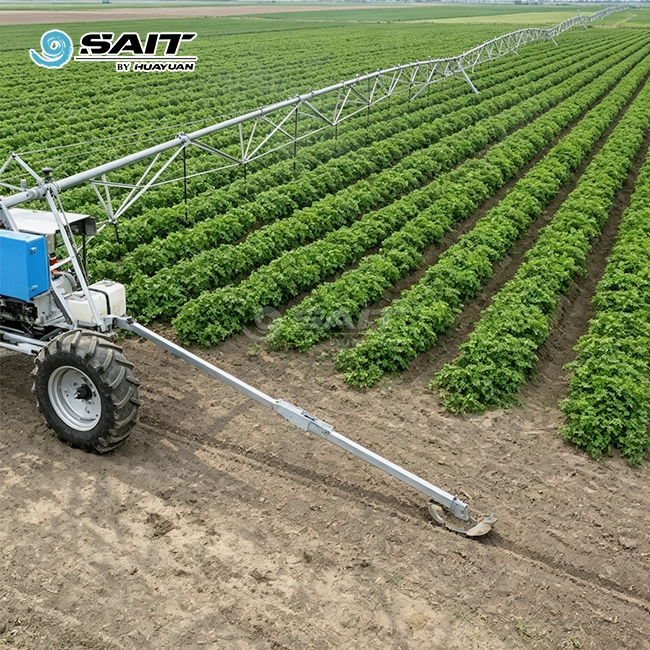
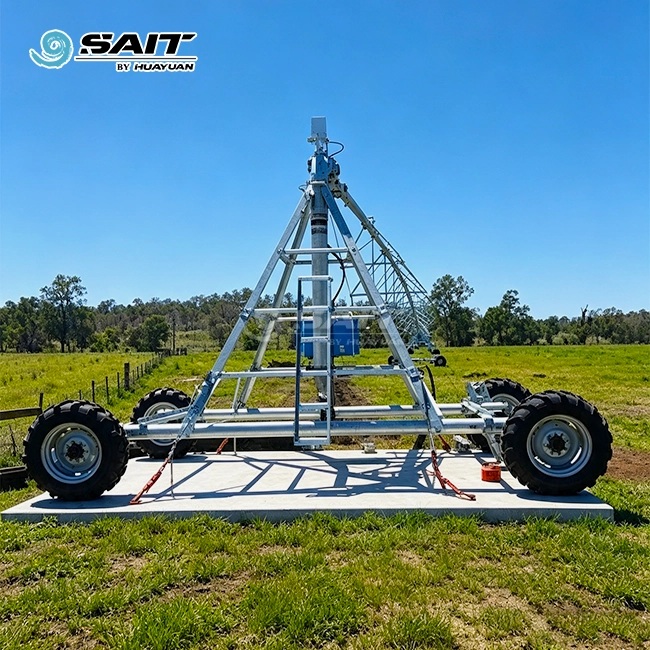
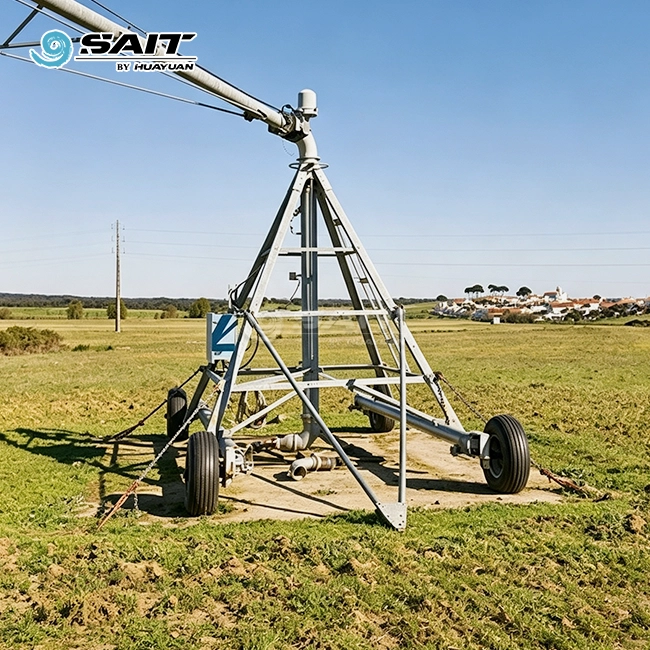
This kind of system works well in three main places: controlled greenhouse hydroponics, where the quality of the yield depends on EC consistency; large-scale orchards, where pressure-compensated dosing makes sure that trees at the end of a line get the same amount of fertilizer as trees closer to the source; and row crop fields that are irrigated with a center pivot or linear system. One channel is enough for programs that only use one nutrient, like nitrogen-only fertigation on corn, making a single-line injector a practical choice for these applications.
Single-Channel vs. Multi-Channel Fertilizer Injection Systems: A Cost and Performance Comparison
Initial Purchase Cost
Entry-level prices for single-channel units are significantly lower than those for multi-channel systems. A two- or four-channel system can cost 40–80% more per unit because it has more pump assemblies, sensor arrays, and control logic. That difference adds up quickly for buyers who need 5–20 units per project, which is a common wholesale purchase volume. The extra cost of multi-channel architecture doesn't pay off when crop programs only need one fertilizer blend at a time.
Operational and Maintenance Costs
This is where the comparison gets more complicated. Single-channel systems use less energy, have fewer parts that wear out, and are easier to maintain for filters. Crystallization is only possible at one point with only one input line, and cleaning after the cycle takes less time. Multichannel systems are more adaptable, but they need maintenance on each channel at the same time. In U.S. open-field agriculture, where dirty water is common, each extra channel increases the number of times the system gets clogged and the amount of work that needs to be done to clean it.
When Multi-Channel Systems Justify the Premium
Multi-channel configurations are cost-effective when a grower needs to inject N, P, and K separately, especially to avoid precipitation between fertilizers that don't mix. HortScience published research that backs up the idea that injecting calcium and phosphate separately keeps lines from getting clogged, which can lower application uniformity by up to 30%. The performance gain is worth the extra money for complicated hydroponic recipes or high-value specialty crops.
Choosing the Right Fertilizer Injection System: Key Considerations for B2B Buyers
Compatibility With Existing Irrigation Infrastructure
Any fertigation unit you add must work well with the pivot, linear, or drip system you already have. Standard irrigation main line specifications are met by HUAYUAN SAIT's single-channel system, which has DN25 inlet/outlet connections and DN15 fertilizer channel fittings. It's easy to connect the controller to third-party SCADA or farm management software because it has multiple I/O ports and supports RS485 communication.
Vendor Reliability and After-Sales Support
When U.S. wholesale buyers compare Chinese manufacturers to well-known brands like Netafim or Jain, they always put customer service after the sale at the top of their list of priorities. This is directly addressed by HUAYUAN SAIT, which offers on-site fitting help, a 1-year full guarantee, 3-year low-cost upkeep, and spare parts at cost price for life. The company has more than 130 patents, including 35 invention patents and 15 international patents. To back these up, China Agricultural University and the company worked together to create R&D platforms.
Scalability and Customization Options
HUAYUAN SAIT offers OEM and ODM configurations for buyers who want to grow in stages. The single-channel fertilizer injection system can be configured with the number of injection channels set between 1 and 4, and the type of pump can be metering, plunger, or centrifugal. The branding, language, and user interface (UI) on the control panel can also be changed. On-site commissioning is available for pilot orders starting at one unit. This is a good way for government contractors or greenhouse technology brands to try out the system before committing to a full project order.
Installation, Maintenance, and Troubleshooting of Single-Channel Systems

Installation Roadmap
Making sure the inlet pressure is between 0.2 and 0.7 MPa is the first step in a proper fitting. The unit is connected to the watering main line, which is ahead of the distribution pipe. The ARM9 touchscreen device sets the target EC, flow rate, and injection percentage during the calibration process once it is plumbed in. HUAYUAN SAIT gives expert advice on-site, which cuts the time it takes to commission big installations by a large amount.
Routine Maintenance Practices
The most important maintenance step is to flush with clean water after each cycle. This keeps fertilizer salt from crystallizing in the injection line and check valves. After that, check the filter screen every time it's time for service and the pump seals every three months. The fully sealed IP55 design keeps out outside contaminants, but seals in harsh fertilizer settings should be checked every year against ASTM D471 chemical compatibility standards.
Diagnosing Common Problems
Most of the time, changes in pressure are caused by a partly plugged filter or a worn pump diaphragm. Injection rates that aren't stable often mean that the check valve is broken or that air is getting into the suction line. Technicians can find fault codes without having to go to the site because the 4G-connected controller lets them do online repairs through a mobile app. If the problem still exists after remote analysis, HUAYUAN SAIT's expert support team can help you directly.
Future Outlook and Innovations in Fertilizer Injection Technology
IoT and Remote Control Integration
Fertigation technology is clearly moving toward scheduling that is based on data and can be managed from afar. This change can be seen in HUAYUAN SAIT's smart head control system for fertigation, which combines a variable frequency drive (20 kW, three-phase 380VAC), an ultrasonic flowmeter (DN115), and two RS485 Modbus RTU transmission ports into a single head unit. The single-line injector can be integrated into this smart system, allowing growers to control it using a 10-inch capacitive tablet or a mobile app. They can make changes in real time from anywhere thanks to a 4G wireless connection.
Smart Head Control System: A Step Beyond Standard Injection
The smart head control system is 3,000 mm long, 2,300 mm wide, and 2,500 mm high. It controls the pump, filters the water through a DN100 centrifugal filter and a DN100 automatic self-cleaning filter at 120/130 mesh, and has a single injection channel that can handle 100–1,000 L/h. It comes with an 80 kA two-stage AC surge protector and a three-phase AC 380 V 100 A smart energy meter. This is the best setup for large-scale pivot or line reel fertigation where tracking energy use and protecting against power surges are necessary.
Market Demand and Procurement Trends
The world's fertigation market is expected to grow at a compound annual growth rate (CAGR) of about 8.2% until 2030. This is because of a lack of water and higher costs for inputs. More and more, buyers looking for low-cost entry points are looking at single-channel units as a first step. As their businesses grow, they can switch to multi-channel or smart head configurations. Because of discounts for buying in bulk and modular upgrade paths, this strategy works for both distributors and direct farm operators.
Conclusion
Most commercial farms that use single-nutrient or pre-blended fertilizer programs only need a single-channel fertilizer injection system. It is easier to set up and uses standard irrigation systems, and it costs less to buy, maintain, and run than multi-channel options. HUAYUAN SAIT's scalable architecture, which includes standard single-channel units and the smart head control system, makes it easy to upgrade without having to switch suppliers as crop complexity rises. This is a purchase decision that U.S. buyers who value dependability, technical depth, and honest support after the sale should think about carefully.
FAQ
Q1: Can a single-channel system handle acid injection for pH correction?
Yes, as long as the wet parts inside are made of chemically resistant materials like PVDF or strengthened PP and the seals are made of Viton. Always make sure that the material is compatible with the exact amount of acid that you are going to inject.
Q2: Is one injection channel sufficient for large-scale commercial farming?
One channel is enough for operations that use pre-blended nutrient solutions or single-nutrient programs, which are common in corn, almond, and citrus production in the U.S. A dual-channel configuration might be needed for growers who have to deal with complicated N-P-K separation protocols.
Q3: How does single-channel compare in long-term cost?
The total cost of ownership for single-channel devices is usually cheaper over five years because they use less energy, have fewer wear parts, and are easier to maintain. Multi-channel systems only pay for themselves when they are needed for separate nutrient stream control in agriculture.
Q4: What is the main maintenance concern?
To keep salt from crystallizing in injection lines and check valves, you have to flush after the operation. Regular maintenance includes checking the filters every time they need to be serviced and the seals once a year.
Get a Custom Quote From HUAYUAN SAIT — Single-Channel Fertigation Built for Scale
HUAYUAN SAIT offers tried-and-true single-channel fertilizer injection system solutions. They have over 130 patents, 20 years of experience making these systems, and a full after-sales program that includes on-site installation, a 1-year warranty, and free spare parts for life. Our team is ready to help you with your project, whether you are looking for a single-channel fertilizer injection system provider or partner or want to look at a test order. To get a quote right away, email us at kevin@showyirrigation.com.
References
1. Hagin, J., Sneh, M., & Lowengart-Aycicegi, A. (2002). Fertigation: Fertilization Through Irrigation. International Fertilizer Industry Association (IFA).
2. Hanson, B., Hopmans, J. W., & Simunek, J. (2008). Leaching with subsurface drip irrigation under saline, shallow groundwater conditions. Vadose Zone Journal, 7(2), 810–818.
3. Kafkafi, U., & Tarchitzky, J. (2011). Fertigation: A Tool for Efficient Fertilizer and Water Management. International Fertilizer Industry Association (IFA) & International Potash Institute (IPI).
4. Bar-Yosef, B. (1999). Advances in fertigation. Advances in Agronomy, 65, 1–77. Academic Press.
5. Ayars, J. E., Phene, C. J., & Hutmacher, R. B. (1999). Subsurface drip irrigation of row crops: A review of 15 years of research at the Water Management Research Laboratory. Agricultural Water Management, 42(1), 1–27.
6. Dobermann, A., & Fairhurst, T. (2000). Rice: Nutrient Disorders and Nutrient Management. Potash & Phosphate Institute (PPI) / International Rice Research Institute (IRRI).
Get a tailored irrigation solution for your project — our engineering team is ready to support you from design to installation.