How Automated Is a Hose Reel Irrigator-Mechanical?
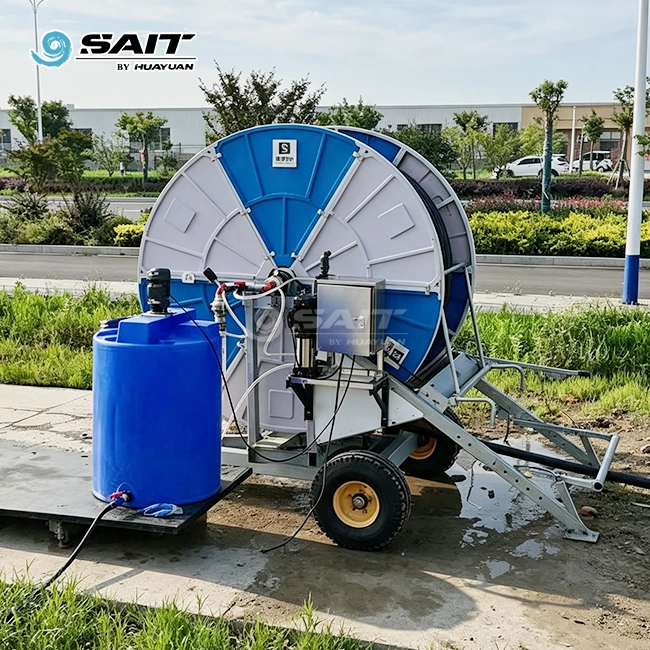
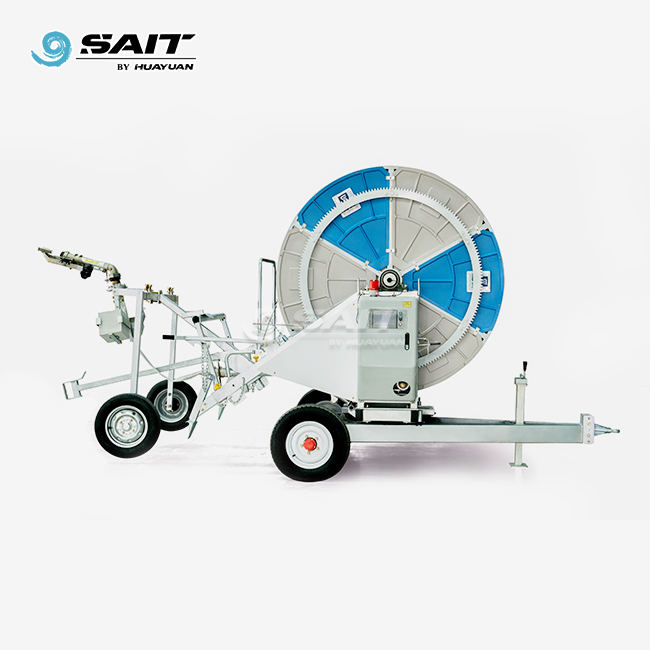
A hose reel irrigator-mechanical works with a water turbine drive system that turns pressurised water into mechanical energy. This energy moves the PE pipe and sprinkler carriage across the field mechanically. After you set the inlet pressure and gearbox speed, you don't have to watch over the machine all the time. It can't be fully programmed like an electric model, but it has a proven hydro-mechanical system that makes it consistent and self-regulating. This makes it a good choice for farms, contractors, and landscape businesses that don't have access to power or can't afford to build new infrastructure.
Understanding Mechanical Hose Reel Irrigators: How Automated Are They?


The Core Operating Principle
A water turbine is turned by compressed water coming into the machine through its intake. The turbine turns a gearbox with different speeds, which slowly winds the PE pipe back onto the drum. As the pipe pulls back, the spray cart moves across the field, spreading the water out evenly. Once the machine is set up and under pressure, this whole sequence can run without anyone being there—it's a real "set it and walk away" mechanical process.
Mechanical Automation vs. Full Electric Control
Electric hose reel irrigators can be programmed from a distance, can be started by a timer, and can monitor the flow of water digitally. When mechanical models are used, water pressure is the only source of power for the retraction cycle. You don't need a computer device or to connect to the grid. For farms that aren't connected to the power grid or contractors who are in charge of multiple places at once, this ease is a benefit, not a drawback.
Speed Regulation and Irrigation Depth Control
The 4-speed gearbox lets you change the speed of the retraction on a hose reel irrigator-mechanical system between 8 and 80 meters per hour, depending on the model. How much water each strip of land gets is directly related to how fast it is moving. When retraction is slower, there is more water per meter. When retraction is faster, the ground is covered quickly for lighter uses. Because speed and application depth are linked mechanically, operators can reliably and consistently control the depth of irrigation without using any electronic parts.
Key Benefits and Efficiency of Mechanical Hose Reel Irrigators
Water Savings and Crop Coverage
HUAYUAN SAIT's mechanical reel irrigator models achieve water savings of over 50% compared to traditional surface irrigation methods, while a single unit covers more than 1.33 hectares per irrigation cycle. High-pressure water travels through the PE pipe to the spray gun nozzle, breaking into fine droplets that apply evenly across crops. The maximum spray width reaches 40 meters with low operating pressure, keeping wind interference minimal and droplet distribution consistent.
Here are the core performance specifications across the current product range:
- JP-75/300 and JP-75/400: PE pipe diameter 75 mm, irrigation lengths of 300 m and 400 m, sprinkler flow rate 15.5–34.3 m³/h, spray range 24–44 m, irrigation width 47–74 m, travel speed 8–60 m/h.
- JP-75/500: Same 75 mm pipe diameter with 500 m effective length, inlet pressure 0.6–1.1 MPa, suitable for longer field runs.
- JP-90/300 and JP-90/400: 90 mm PE pipe, higher flow rate up to 50 m³/h, spray range 25–46 m, travel speed 10–80 m/h, inlet pressure range 0.3–1.2 MPa.
These specifications give procurement managers a clear picture of which model fits each field size and water source capacity.
Carriage Flexibility for Different Crop Types
The system supports both single-gun sprinkler carriages and multi-sprinkler boom-type carriages. A single-gun setup suits row crops and pasture irrigation, while the boom configuration distributes water across wider strips with gentler application rates—important for vegetable seedlings and specialty crops where soil crusting is a concern. Switching between carriage types takes minimal time, giving agricultural service contractors the flexibility to serve multiple client farms with one unit.
Long Service Life and Durability
The machine's average service life exceeds 10 years. The PE pipe is manufactured from virgin polyethylene without recycled material, thicker than standard market offerings, with UV stabilization and high environmental stress crack resistance. PE pipe longevity exceeds 15 years. The steel chassis uses hot-dip galvanized coating over 80 microns, meeting ISO 1461 standards, which protects against corrosion in humid field conditions and extends structural integrity across seasons.
Troubleshooting and Maintenance for Mechanical Hose Reel Irrigators
Diagnosing Common Field Problems
PE pipe "snaking" during withdrawal is the problem that workers report most often. This usually happens when the pipe isn't laid out straight the first time it's used or when the tension on the drum brake is set below the torque recommendation from the manufacturer. Another common issue is retraction speed that changes all the time. This is usually caused by a worn bypass valve seat or dirt in the turbine entrance. Most turbine-related slowdowns can be avoided by checking the inlet screen filter before each irrigation cycle.
Routine Maintenance Schedule
The mechanical drive works as it should all year long thanks to regular maintenance. The following tasks are on a structured schedule:
- Before each use: Inspect the PE pipe for surface cracks, check the inlet screen filter for debris, and confirm the brake tension is correctly set.
- Monthly: Lubricate the gearbox, inspect the turbine housing for sediment accumulation, and verify the automatic shut-off linkage engages cleanly.
- Annually: Conduct a full hydrostatic pressure test at 1.5 times rated working pressure, check galvanized coating for any exposed steel, and replace hose fittings showing wear marks.
By sticking to this schedule, you can keep warranty claims low and get more service time between major overhauls.
Winterization and Parts Sourcing
Before it gets too cold, use a mechanical air compressor to blow out all the water that is still in the PE pipe and empty the turbine housing of the hose reel irrigator-mechanical system completely. When the ice inside the rotor expands, it cracks, which voids most warranties. Working with a provider that keeps an OEM part numbering system with cross-reference charts saves a lot of time when buying extra parts. HUAYUAN SAIT sells spare parts at the factory cost for life, and each unit comes with a full warranty for one year and a low-cost maintenance program for three years.
Choosing the Right Mechanical Hose Reel Irrigator for Your Business Needs
Matching Model to Farm Scale
With its higher flow rates and bigger irrigation widths, the JP-90 line is perfect for farms that are between 50 and 200 hectares in size. The JP-75 series is best for smaller vegetable farms or sports turf applications because the finer nozzle diameters (16–22 mm) make the application rate more gentle, which is good for crops that are easily damaged. Field length, water pressure at the pump outlet, and how sensitive the crop is to droplet impact are the most important things to consider when making a choice.
Mechanical vs. Electric: Making the Procurement Decision
Electric types have remote tracking and settings that can be programmed, but they need a stable power source and cost more per unit. Mechanical reel irrigators work only with water pressure, which makes them ideal for farms that aren't connected to the grid, fields that are far away, and places where access to the grid isn't always stable. When wholesale buyers compare HUAYUAN SAIT units to European brands like Irrimec or Bauer, the main things they should look at are the price-to-performance ratio, the warranty on the PE pipe, and the availability of parts.
Warranty, After-Sales, and Supplier Reliability
A strong after-sales program saves the money you spend on big purchases. HUAYUAN SAIT's program includes free fitting, a full guarantee for one year, low-cost part repair for three years, and factory-cost spare parts for life. The company has been making things for 20 years and can make 14,000 hose reel units every year. They keep batch stability across big OEM orders, which is important for wholesalers and government agencies that are in charge of handling multi-unit contracts.
Future Outlook and Trends in Hose Reel Irrigator Automation
Sensor Integration and Hybrid Systems
Manufacturers are trying soil moisture monitors that tell the turbine bypass valve of a hose reel irrigator-mechanical system to change speed on its own when conditions in the field change. This makes a hybrid system, which is mechanical at its core but has data entry points that make the application more accurate. Early field tests in Germany and Australia show that these additions can raise the uniformity of irrigation above 92% without replacing the main mechanical drive. This means that operators can still rely on it to work as expected.
BeiDou Navigation and IoT Control
HUAYUAN SAIT has already added BeiDou navigation and IoT-based control technology to a wider range of products. This has helped them achieve a missed watering rate of less than 5% and regularity above 90%. As these technologies become standard on mechanical platforms, buyers who invest in proven mechanical units now will be able to find ways to improve without having to buy all new equipment. This is something that buying teams that plan 10-year asset cycles should think about.
Procurement Strategy for Scalability
If you are looking to buy a mechanical reel irrigator right now, make sure that the supplier's platform lets you switch the drive system between mechanical, turbine, and electric configurations. The modular design of the HUAYUAN SAIT makes it easy to switch between drive types from the same base platform. This saves the initial investment as the farm grows or as the power grid gets better.
Conclusion
A hose reel irrigator-mechanical uses a water turbine and gearbox to automate the cycle of retracting the hose and distributing water. Once it is set up, it doesn't need much attention from an operator. Even though it can't be fully programmed, the system works consistently and automatically in a lot of different field sizes and crop types. These systems cover more than 1.33 hectares per cycle, last more than 10 years, and save more than 50% of the water used in irrigation. They are a reliable investment for farms, contractors, and rental businesses alike. The most important thing to do when buying something is to choose a supplier with good manufacturing credentials, clear pricing for parts, and real warranty support.
FAQ
Q1: Can I add automation components to a mechanical reel irrigator later?
Yes. A lot of mechanical platforms can have extra sensors added to them so that they can measure soil moisture or control pressure without having to replace the main turbine drive. If you want to make changes in the future, make sure with your provider that the base frame has mounting points for sensors before you buy it.
Q2: How often should a mechanical hose reel irrigator be serviced on a large farm?
Before each use, check the entrance filter and brake tightness on farms that use the equipment every day during peak season. At the beginning and end of each watering season, give the machine a full mechanical service. This includes greasing the gearbox, inspecting the rotor, and checking the pressure. Testing for hydrostatic pressure once a year is strongly suggested.
Q3: How does mechanical drive durability compare to electric models?
There are fewer places where electronics can go wrong with mechanical turbine drives, and they can handle water with small solids in it better than electric valve systems. A mechanical unit should last between 10 and 12 years with regular maintenance and the right way to store it for the winter. Electric types may have more control options, but they need stable power and cost more to fix when control parts break.
Q4: What is the minimum water pressure needed to run these machines?
Most types of mechanical hose reel irrigators need at least 0.3 to 0.5 MPa of pressure at the machine's entrance to turn on and keep the retraction speed steady. As low as 0.3 MPa, the JP-90/400 type can work, so it can be used with water sources that have lower pressure.
Request a Quote from HUAYUAN SAIT
The direct hose reel irrigator-mechanical manufacturer HUAYUAN SAIT has been in business for 20 years, is ISO 9001 certified, and can make 14,000 units a year. For both wholesale and custom orders, our team does OEM/ODM services, field layout planning, and on-site installation support. Email us at kevin@showyirrigation.com to get details, bulk pricing, or a solution that is made just for your business.
References
1. Food and Agriculture Organization of the United Nations. Irrigation Water Management: Irrigation Methods. FAO, 2002.
2. Keller, J., & Bliesner, R. D. Sprinkle and Trickle Irrigation. Van Nostrand Reinhold, 1990.
3. International Organization for Standardization. ISO 8224-1: Traveller Irrigation Machines — Part 1: Laboratory and Field Test Methods. ISO, 2003.
4. Phocaides, A. Handbook on Pressurized Irrigation Techniques. FAO, 2007.
5. Tarjuelo, J. M., et al. "Factors Affecting Distribution Uniformity with Mechanical Move Sprinkler Irrigation Systems." Agricultural Water Management, Vol. 50, No. 2, 2001.
6. Evans, R. G., & Sadler, E. J. "Methods and Technologies to Improve Efficiency of Water Use." Water Resources Research, Vol. 44, No. 7, 2008.
Get a tailored irrigation solution for your project — our engineering team is ready to support you from design to installation.