Why Is a Hose Reel Irrigator Water Turbine Model Running Slowly?
If your hose reel irrigator water turbine model is running slowly, the most common causes are insufficient inlet water pressure, a clogged internal strainer or bypass valve, worn gearbox components, or excessive PE pipe tension during retraction. Each of these issues reduces the hydraulic energy available to drive the turbine impeller, which directly lowers reel retraction speed. Left unaddressed, slow operation extends irrigation cycles, creates uneven water distribution across your fields, and cuts into your overall crop yield and equipment ROI.
Understanding the Problem: Why Is My Hose Reel Irrigator Running Slowly?
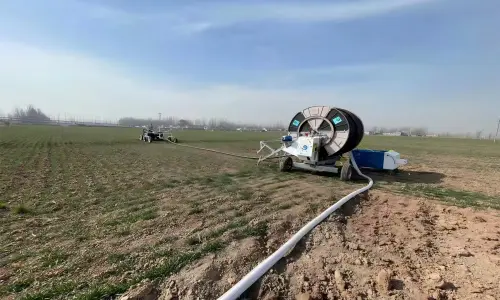
It's easy to see when a hose reel irrigator water turbine model slows down, but it's not always easy to figure out why. In the field, there are three main types of failure that tend to show up.
Reduced Retraction Speed
The turbine turns the flow of pressurized water into torque that turns the shaft. The impeller can't make enough torque to pull the PE pipe back at the right speed when the inlet pressure drops below the rated minimum. On a JP-75 series unit, this could be below 0.5 MPa. The reel slows down, and the watering depth per pass goes up faster than planned.
Uneven Water Distribution
If the retractor moves slowly or not at all, the spray gun will spend more time in some places. This creates areas that are too wet and areas that are too dry. This kind of difference hurts the quality of the crops grown on vegetable and specialty fields. That's why retraction speed consistency is a big deal for both distributors and service contractors when they buy things.
Extended Irrigation Cycles
An irrigation pass can take several hours longer if the turbine is running at 30% less speed than its max speed. For farming service companies who are in charge of several farms, this delay leads to missed deadlines and higher costs per hectare of operation.
Diagnosing Performance Bottlenecks: Key Factors Affecting Speed
There isn't usually just one reason why a hose reel irrigator water turbine model loses speed. It's generally caused by mechanical, hydraulic, and weather factors that work together and get worse over the course of a season.
Water Pressure and Flow Rate
The turbine's output torque goes up or down directly with the flow rate coming in. For example, the JP-90/400 type from HUAYUAN SAIT needs an input pressure of 0.3 to 1.2 MPa and can handle sprinkler flow rates of 10 to 50 m³/h. Running it below the lower pressure level starves the impeller, which is exactly what workers say happens when they run it slowly. Before looking for problems elsewhere, always make sure that the pump curve fits the irrigator's rated input pressure.
Mechanical Wear and Gearbox Condition
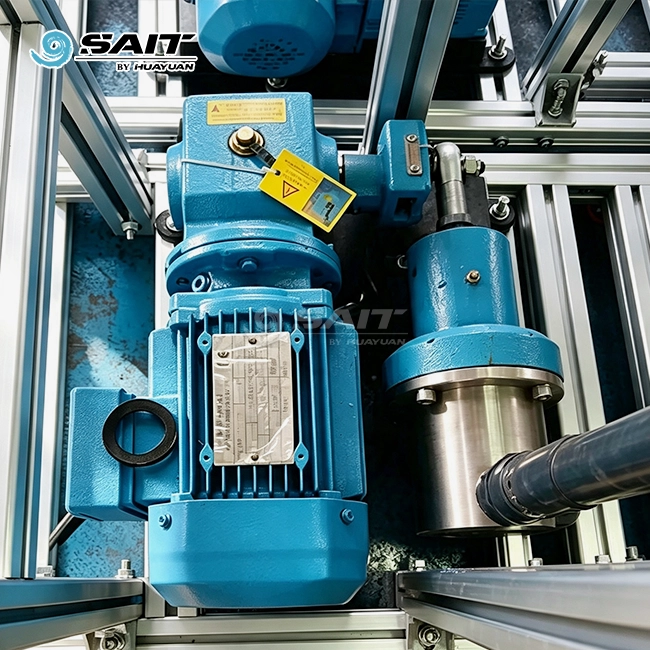
The four-speed drive in a turbine uses gears that don't wear out easily to keep the speed fixed. Friction losses rise over time because of bearing play and gear surface wear. These losses take away torque before it gets to the drum. Seasonal greasing of the bearings and a yearly check of the gears are the two best ways to avoid problems. You should also check the dynamic balance of the impeller. An impeller that is out of balance causes vibrations that speed up bearing wear and cause the speed to change.
Sediment, Blockages, and Environmental Factors
Sand and organic matter are often carried by field water. Most of the time, sudden drops in speed in turbine irrigators are caused by an inlet strainer or bypass valve that is only partially clogged. When used with salty or treated wastewater, impeller corrosion makes the problem worse. Keeping the flow resistance low means cleaning the filter before and after each watering season and any time there is a lot of sediment in the water. For farms in sandy or dry areas, adding a pre-filter before the inlet fitting is a cheap fix that can change the continuous turbine speed in a way that can be measured.
Practical Solutions to Optimize Turbine Speed
Once the exact bottleneck is found, it's easy to get the hose reel irrigator water turbine model back to full speed. These are the main steps that field technicians and procurement teams use to fix problems:
- Inspect and clean the inlet strainer and bypass valve before each seasonal start-up. Most mid-season speed drops are caused by debris in the bypass valve, which can be fixed in less than 15 minutes.
- Verify inlet pressure at the turbine connection point at the point where the turbine is connected, not just at the pump exit. Before the water gets to the turbine, line losses from long PE pipe runs or fittings that are too small can take away 0.15–0.2 MPa.
- Lubricate all gearbox bearings as often as the owner's manual says to. For units that have been used for more than 5 seasons, it is worth setting up a full gearbox inspection to look for gear surface wear.
- Check PE pipe tension and alignment on the drum to make sure the PE pipe is tight and straight. When the previous retraction cycle was unevenly wound, mechanical drag goes up, making the speed look slower than it really is hydraulically.
These steps will fix most of the problems that operators of turbines in medium-sized farms and contractor settings have been complaining about. Fixing them before each season costs a lot less than figuring out what's wrong during the crop.
After taking these steps to fix the problem, most operators using a water turbine hose reel are able to get back to the planned application rates above 7 mm/h and the rated travel speeds, which range from 8 to 80 m/h depending on the model. The system's 10-year average service life and the PE pipe's 15-year rating are both directly protected by regular maintenance.
Comparative Insights: Turbine Models vs. Electric Drive Systems


Purchasing teams often want to know if switching to an electric drive system would get rid of the variable speed of the hose reel irrigator water turbine model. The answer depends on the infrastructure and working conditions that are accessible.
Energy Independence vs. Speed Consistency
Turbine types get their power directly from the pressure water supply. This makes them the best choice for farms that aren't connected to the grid, fields that are far away, and places where grid access isn't stable. Electric models have more stable speed control, but they need a steady power supply and cost more to run because they use more electricity. Turbine models are often the only option for farms in the CIS area and projects in Africa that are backed by NGOs.
Coverage and Efficiency
A single turbine hose reel unit can water more than 1.33 ha in one run, using more than 50% less water than usual flood irrigation methods. It is possible to water an area 43 to 78 meters wide with the JP-75 and JP-90 lines, and the spray range is up to 46 meters. These numbers are on par with European brands, but they cost a lot less to get.
Cost of Ownership
Turbine models don't need to be powered from outside sources and have fewer electrical parts that can break. The total cost of ownership over a 10-year equipment life is much lower than similar electric systems from Italian or German competitors when the PE pipe comes with a 15-year guarantee and extra parts can be bought at the factory cost price.
Ensuring Long-Term Reliability: Warranty, Service, and Supplier Selection
Picking the right water turbine hose reel irrigator model provider is just as important as picking the right type. Before placing a large order, B2B buyers should make sure of the following.
Warranty Coverage and Parts Availability
HUAYUAN SAIT provides a full warranty for one year, low-cost maintenance and part replacement for three years, and replacement spare parts at the factory cost price for life. For distributors who are in charge of 50 or more units on multiple farms for different clients, that parts availability structure gets rid of the risk of buying equipment that won't work during peak irrigation season.
Certifications and Quality Verification
To make sure they are of good quality, turbine units are put through hydrostatic pressure tests at 1.5 times the rated pressure, dynamic balance tests on the impeller, and material analysis to make sure the alloy composition is correct. A company called HUAYUAN SAIT has more than 130 patents, including 35 idea patents and 15 foreign patents. Its production system is also ISO 9001 approved. For buying needs in Europe and the Middle East, third-party CE and SASO licenses are offered.
Technical Support and Installation Service
Every sale comes with on-site installation help and expert advice. We've been making things for 20 years and have a transportation hub right next to Xuzhou, so we can send most of our products within a week.
Conclusion
It is possible to fix a hose reel irrigator water turbine model's slow rotor speed. Most problems in the field are caused by low inlet pressure, clogged strainers, worn gearbox parts, and PE pipe tension that isn't right. Systematic inspection, seasonal maintenance, and matching the right pressure will get your irrigation system back to working at its best and protect your investment. If you choose a provider with verified certifications, long-term supply of parts, and on-site expert help, you can turn reactive maintenance into a routine that you can handle.
FAQ
Q1: What is the minimum water pressure needed to run a turbine hose reel irrigator at full speed?
The JP-75 line needs an inlet pressure of 0.5 to 1 MPa. With a wider range of 0.3 to 1.2 MPa, the JP-90/400 type can work with water sources that have lower pressure. Most of the time, running below the rated minimum pressure is what slows down the retraction speed.
Q2: How often should I clean the turbine strainer?
Before each irrigation season and after any irrigation event that used water that had visible sediment or organic matter in it, clean the inlet strainer. If the field is sandy, check it once a month during the irrigation season.
Q3: Does PE pipe length affect turbine speed?
Yes. When the PE pipe is pulled back, the hydraulic resistance inside the pipe goes up as the runs get longer. The inlet pressure for the JP-75/500 model with 500 meters of pipe should stay at or above 0.6 MPa to make up for the extra friction loss.
Q4: Can a slow turbine be retrofitted with a newer drive unit?
These days, turbine units come with flexible flanges that let older irrigator frames fit newer turbine kits. Talk to the maker to make sure it works with the diameter of your drum and the specs for PE pipe.
Contact HUAYUAN SAIT — Your Trusted Hose Reel Irrigator Water Turbine Model Supplier
HUAYUAN SAIT has been making hose reel irrigator water turbine model equipment for more than 20 years and has sold it to market buyers and OEM partners. We offer competitive prices, full OEM/ODM support, and a parts supply guarantee that covers the full life of the equipment. Our Xuzhou-area facility has ISO 9001 certification, 130+ patents, and one-week delivery. Email kevin@showyirrigation.com to ask for a quote or a catalog of products.
References
1. Food and Agriculture Organization of the United Nations. Irrigation Water Management: Irrigation Methods. FAO, 2020.
2. Phocaides, A. Handbook on Pressurized Irrigation Techniques. FAO, 2007.
3. Evans, R. G., & Sadler, E. J. "Methods and Technologies to Improve Efficiency of Water Use." Water Resources Research, 2008.
4. Playán, E., & Mateos, L. "Modernization and Optimization of Irrigation Systems to Increase Water Productivity." Agricultural Water Management, 2006.
5. Tarjuelo, J. M., et al. "Factors Affecting Distribution Uniformity with Medium Size Sprinklers Under Windy Conditions." Transactions of the ASAE, 1999.
6. Zapata, N., et al. "Prediction of Wind Drift and Evaporation Losses in Sprinkler Irrigation." Irrigation Science, 2009.
Get a tailored irrigation solution for your project — our engineering team is ready to support you from design to installation.