Hose reel Sprinkler machine troubleshooting guide
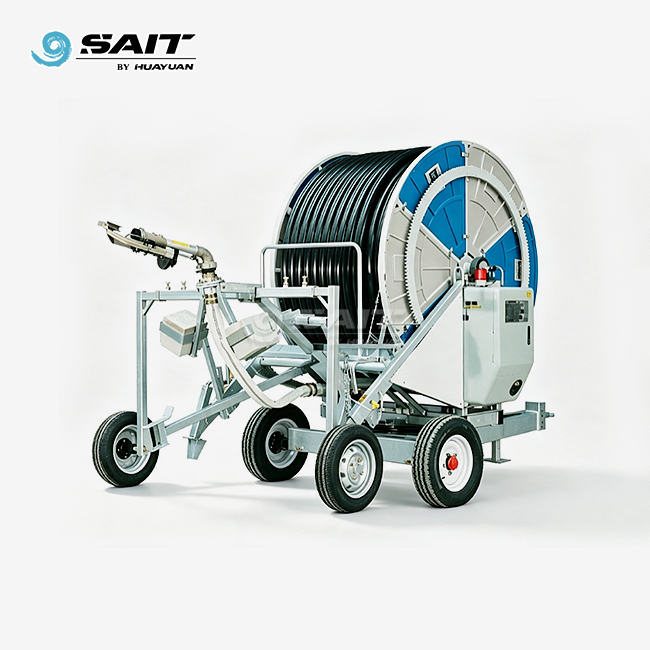
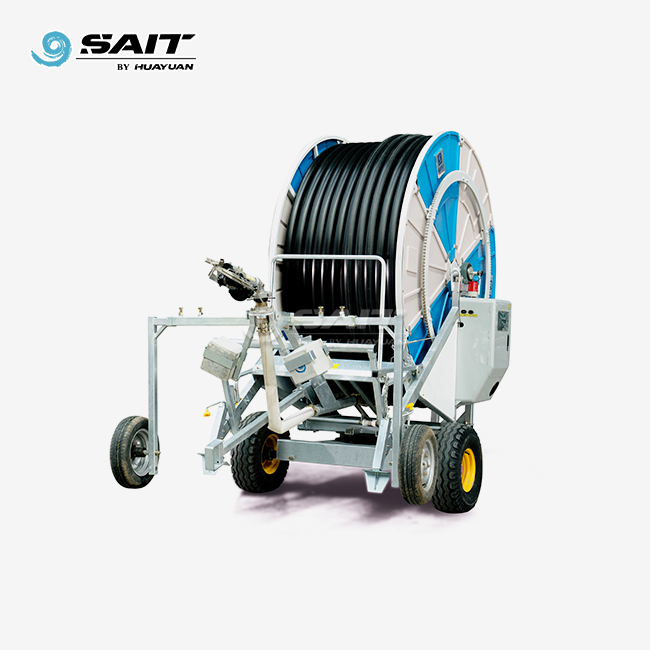
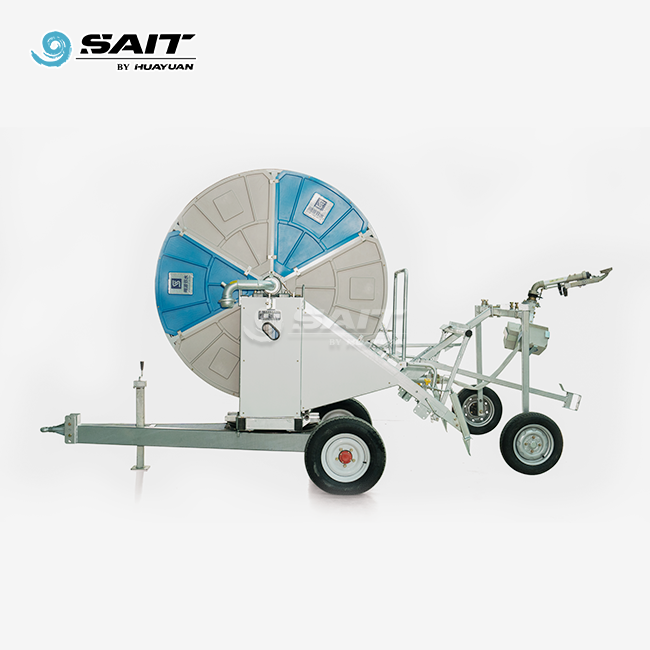
A hose reel sprinkler machine is a water-turbine-driven irrigation system that retracts a PE pipe wound around a drum while a spray gun or boom carriage applies water across large field areas. When this equipment stops performing as expected — whether through uneven water distribution, retraction failure, or pressure loss — productivity drops and costs rise. This guide walks procurement managers, agricultural contractors, and equipment distributors through diagnosing and resolving the most common operational failures so your irrigation cycles stay on schedule.
Understanding Common Problems with Hose Reel Sprinkler Machines


Before you try to fix something, you need to know what each part does. The turbine changes the pressure of the water coming in into mechanical rotation. This rotation drives the spinning drum through a gearbox. From the reel to the spray gun carriage, the PE pipe brings pressurized water. The nozzle breaks up the water into tiny droplets that can be sprayed up to 46 meters away. When one part of a system breaks down, the whole thing stops working well.
Hose Kinking and PE Pipe Damage
Kinking usually happens when the pipe is stored incorrectly or when it is pulled back too quickly when there isn't enough inlet pressure. The best range for inlet pressure on models like the JP-75/300 is between 0.5 and 1 MPa. When you run below this barrier during retraction, the pipe wall falls inward, making a lasting fold. Repeatedly kinking PE pipes speeds up wear and cuts their service life well below the expected 15 years.
Uneven Retraction Speed
Variable withdrawal speed directly impacts application rate. The crop doesn't get the minimum 7 mm/h coating rate if the machine goes faster than what was planned. The most common reason is a guide screw inside the reel case that is worn out or not lined up right. Another reason is that the pump's output changes, which starves the turbine and makes the speed change erratically in the middle of the cycle.
Sprinkler Head or Nozzle Malfunction
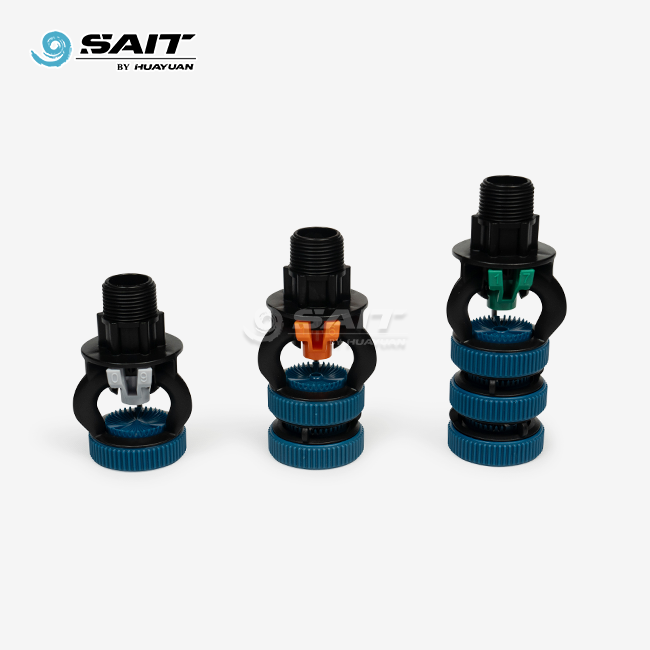
Blocked or worn nozzles on a reel irrigation machine change the spray distribution right away. A buildup of sediment inside the nozzle bore is the main reason for this, especially when working with water from open canals. Sprinkler flow rates can drop from 50 m³/h on JP-90 series units with nozzle sizes of 14–28 mm if even a small blockage happens. This means that the recommended watering width of 43–78 meters can't be reached.
Step-by-Step Troubleshooting Process
An organized analysis saves time and keeps parts from having to be replaced that aren't needed. Before you touch the machine, you should get reports from the field. Ask the workers when the problem started and if anything upstream changed, like the pump being replaced or the field being raised.
Step 1: Define the Symptom Precisely
Connect the symptom to a part of the system. The seals on the pump, the inlet valve, or the turbine housing are to blame for the pressure loss. Changes in the speed of retracting point to the gearbox or guide screw. Spray spread that isn't even could mean that the nozzles are worn out or the boom isn't aligned correctly. Before you take it apart, write down what you saw so you have something to compare it to after the fix.
Step 2: Check Inlet Pressure
Put a measured gauge at the entrance to the machine. Compare the reading to what your model needs in terms of specs. One example is the JP-90/400, which can handle an inlet pressure of 0.3 to 1.2 MPa. This is the largest operating window in the JP series. If the pressure is too high or too low, you should fix the pump before going on. Once the pressure is fixed, most obvious mechanical problems go away.
Step 3: Inspect the Turbine and Gearbox
Take off the cover for the rotor and check to see if the mechanical seals are leaking. Check the drive gears in the 4-speed engine for wear. HUAYUAN SAIT uses specially made gears that don't wear out easily. These gears keep the speed stable and allow for longer spray distances at the same recovery speeds. If you buy new gears from someone other than the OEM, make sure the measurements match the part number to make sure they will fit.
Maintenance Tips to Prevent Frequent Issues
Emergency repairs to a hose reel sprinkler machine cost a lot more than preventative care. For contractors who run multiple units on different farms, the most reliable way to keep up with maintenance is to set a fixed schedule based on operating hours instead of calendar dates.
These are the main maintenance tasks that always cut down on downtime:
- Turbine inspection every 500 operating hours: Check mechanical seals and regrease the drive chain. Frictional wear on unlubricated chains is a leading cause of turbine speed drop.
- PE pipe flushing after each season: Flush the pipe with clean water to remove sediment deposits before storage. This protects the nozzle bore and prevents internal corrosion of fittings.
- Guide screw alignment check monthly: A misaligned guide screw causes uneven pipe layering on the reel drum, which produces the retraction speed inconsistency described earlier.
- Winter drainage protocol: Completely drain the PE hose and turbine housing before any freeze event. Ice expansion inside the turbine housing cracks internal walls and voids warranty coverage.
Each machine needs less than two hours to do these things every time it's serviced. When procurement managers add a written maintenance schedule to service contracts, warranty claims go down a lot and equipment lasts longer.
Installation and Setup Best Practices to Avoid Troubleshooting
Many problems in the field can be traced back to mistakes that were made during installation on the first day. Most of the problems in this guide can be avoided by doing a full site review before rollout.
Site Assessment and Pipe Routing
Before putting the reel in place, look at the field gradient. The PE pipe should always come out of the loop frame at the same angle. Sudden changes in direction put stress on the pipe wall and speed up wear. For areas with an irrigation length longer than 400 meters, the JP-75/500 or JP-90/400 types have PE pipe lengths of 400 to 500 meters that cover the same amount of ground as the pipe length.
Pump Matching and Pressure Setup
Pick a pump that can deliver the needed flow rate and pressure head at the same time. Sprinklers must have a flow rate of 15.5–34.3 m³/h and nozzle pressures of 0.25–0.5 MPa for the JP-75 series. Most people make the mistake of installing a pump that is only big enough for flow without taking friction loss into account when they run it through a 300–500 meter PE pipe.
Drive System Selection
Models of the reel irrigation machine with turbine drives work well in rural or off-grid areas where electricity isn't available. Electric-drive units work well on sports fields and in landscaping where noise levels need to be kept low, and power is available. By matching the drive type to the conditions at the installation spot, performance problems can be avoided later on in the equipment's life.
When to Upgrade or Replace Your Hose Reel Sprinkler Machine?
A traveler irrigator is getting close to the end of its useful life if it needs to be fixed more than twice a season or if it can't reach its full spray width. A well-kept machine should last more than 10 years, so early wear and tear means either years of poor maintenance or low-quality original parts, especially PE pipe made from recycled materials.
When looking for new equipment to buy, give more weight to suppliers who make PE pipe from brand-new materials. Pipe made from recycled materials breaks down quickly when exposed to UV light and repeated rounds of high pressure, well before its 15-year warranty period. Also, make sure the gearbox has more than one speed. Single-speed gearboxes are less flexible when it comes to retracting. If you are a wholesale buyer buying 10 to 50 units, make sure that the manufacturer can provide matched spare parts with cross-reference numbers so that you can keep track of your inventory.
The JP line from HUAYUAN SAIT has five different designs, from JP-75/300 to JP-90/400, that are made to work with different field sizes and pressures. Each unit waters more than 1.33 hectares during an irrigation cycle, using more than 50% less water than traditional flood irrigation methods. This means that the costs of running the system per hectare are lower during the whole growing season.
Conclusion
Finding the right symptoms is the first step in fixing a hose reel sprinkler machine, not replacing parts. First check the pressure at the inlet, then the turbine and gearbox, and finally the PE pipe and nozzle. Most field failures in commercial irrigation operations can be avoided by sticking to a regular maintenance schedule that includes servicing the turbine every 500 hours, checking the guide screws, and draining the field in the winter. When a piece of equipment has reached the end of its useful life, you should replace it with a new unit made with virgin PE pipe, wear-resistant gearing, and a clear system for getting spare parts. This will protect your purchase investment.
FAQ
Q1: How often should the turbine be serviced?
Every 500 hours of use, check the blade. At each service interval, grease the drive chain and check the mechanical seals for leaks. The single most common reason field workers give for rotor speed loss is forgetting to grease the chains.
Q2: What causes uneven hose retraction?
The main reason is that the guide screw is not lined up correctly. The second cause is low or changing entrance pressure. Before you make any changes to the gearbox, make sure that the guide screws are lined up correctly and that the pressure from the pump is within the range that was given for your model.
Q3: Can the machine operate with recycled or treated water?
Yes, as long as you put an inner filter unit before the machine. If the sediment bits are bigger than the turbine's clearance limit, they will damage the internal seals and stop the nozzle bores. The rated particle size should match the minimum particle size given in the machine's technical information.
Q4: How do I integrate a boom carriage versus a single-gun carriage?
The spray gun cart has the same PE pipe coupler that both kinds of carriages connect to. Boom-type carts spread water over a larger area at a lower working pressure. This keeps sensitive crops from being blown around by the wind. Single-gun setups focus flow over a longer throw distance that works well for open-field grain crops.
Contact HUAYUAN SAIT — Your Trusted Hose Reel Sprinkler Machine Supplier
The JP series hose reel sprinkler machine is made by HUAYUAN SAIT, which has been in business for 20 years, uses ISO 9001 quality standards, and guarantees a supply of spare parts for the entire lifespan of the equipment. Our team offers on-site installation help, a full warranty for one year, and low-cost maintenance for three years. We ship within a week, whether you need 5 units to test the market or 50 units with your own name on them. To get pricing and specifications, you can email our technical team at kevin@showyirrigation.com.
References
1. Food and Agriculture Organization of the United Nations. Irrigation Water Management: Irrigation Methods. FAO Irrigation and Drainage Paper No. 45, 1988.
2. Keller, J., & Bliesner, R. D. Sprinkle and Trickle Irrigation. Van Nostrand Reinhold, 1990.
3. American Society of Agricultural and Biological Engineers. ASABE Standards: Design and Installation of Microirrigation Systems (S376.4). ASABE, 2017.
4. Playán, E., & Mateos, L. "Modernization and optimization of irrigation systems to increase water productivity." Agricultural Water Management, Vol. 80, Issues 1–3, 2006.
5. International Organization for Standardization. ISO 8224-1: Traveller Irrigation Machines — Part 1: Laboratory and Field Test Methods. ISO, 2003.
6. Irrigation Association. Landscape Irrigation Auditor Certification Study Guide, 4th Edition. Irrigation Association, 2019.
Get a tailored irrigation solution for your project — our engineering team is ready to support you from design to installation.