Can a Smart Head Control System for Fertigation Manage Multiple Zones?
A smart head control system for fertigation is specifically engineered to manage multiple irrigation and nutrient delivery zones from a single automated platform. By integrating real-time EC/pH sensor feedback, zone-specific scheduling, and 4G wireless communication, these systems distribute precise nutrient concentrations across large-scale open fields, orchards, and greenhouse facilities simultaneously. Research from the Food and Agriculture Organization confirms that automated fertigation reduces fertilizer waste by up to 30% compared to manual methods. The short answer is yes—and the operational evidence behind that answer is compelling.
Understanding Smart Head Control Systems for Fertigation
What These Systems Actually Do
A fertigation head control unit uses sensors to automatically dose fertilizer solutions. This means that you don't have to manually change valves or mix fertilizer solutions. It checks the water flow, input rate, pressure, and percentage of nutrients all the time and makes changes to them all without any help from a person. This is the difference between stopping crop stress and taking care of it.
Core Hardware That Makes It Work
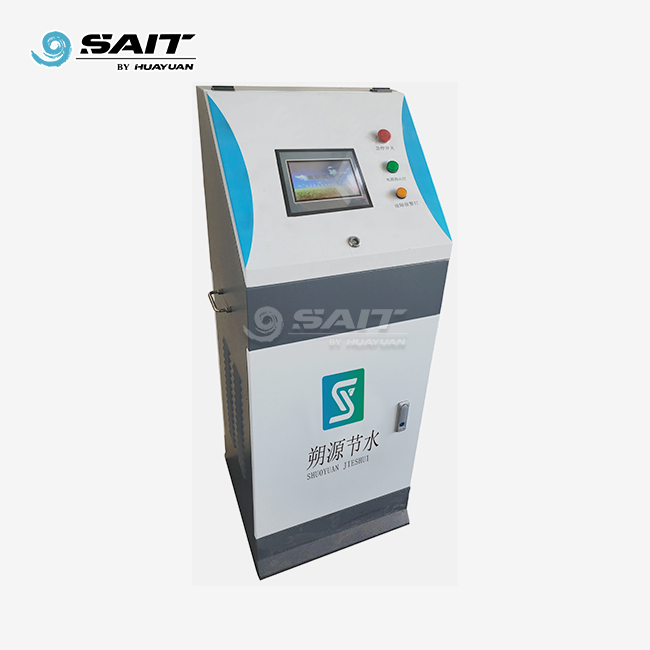
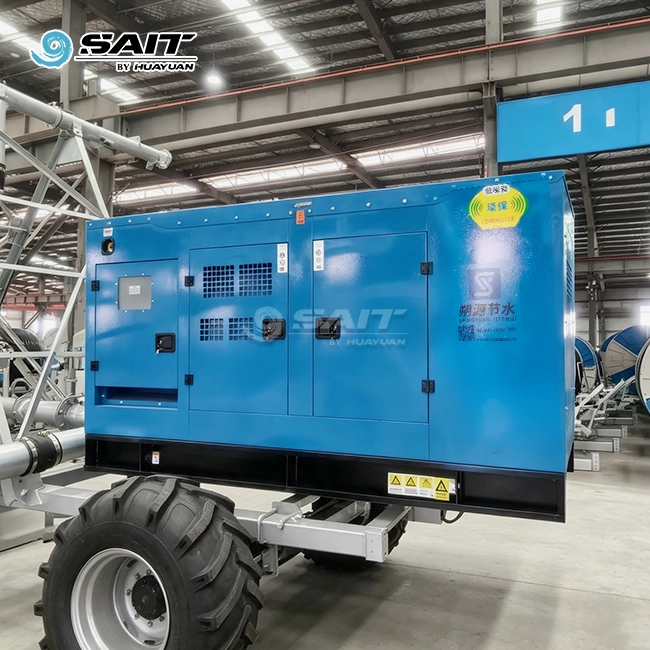
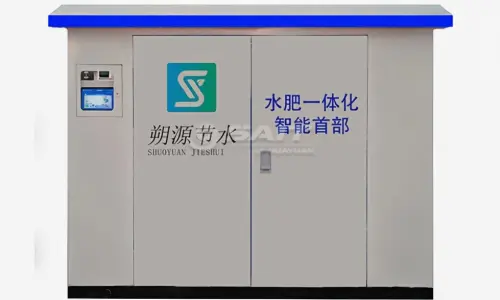
It is 3000mm long, 2300mm wide, and 2500mm high, and it comes from HUAYUAN SAIT. It has a DN115 ultrasonic flowmeter, a DN100 automatic self-cleaning filter with 120/130 mesh accuracy, and a DN100 centrifugal filter, all in one closed unit. The 11 kW stainless steel pressure pump works in the 0.2 to 0.7 MPa pressure range. The speed of the pump is changed by a 20 kW variable frequency drive so that it meets the needs of each zone. Electronics are protected from field voltage events by a two-stage 80 kA surge safety device.
Communication and Control Architecture
The smart head control system for fertigation has two RS485 ports and works with the Modbus RTU protocol. It can connect directly to third-party SCADA and farm management tools and works on a 4G WIFI network. Operators can keep an eye on and change all the zones using a 10-inch sensitive tablet in person or a mobile app when they're not there. The ARM-based tablet has a resolution of 1024x600 and EMC/ESD security that is industrial-grade. This means that it can be used in both open-field enclosures and dusty greenhouse halls.
Can Smart Head Control Systems Effectively Manage Multiple Zones?
Zone Scheduling and Nutrient Balancing
To make multi-zone fertigation management work, the doses must be changed in real time, and the valves must be controlled by a time sequence. The HUAYUAN SAIT device can add any amount of fertilizer, from 10% to 100%. It can do this at 100 to 1000 L/h. People can make nutrient plans for each zone without having to change how the hardware is set up. In an orange grove, for instance, one block might need more nitrogen for early spring growth, while a nearby block might need more phosphorus for fruit set. The same control panel is used to run both apps.
Real-Time Sensor Feedback Prevents Uneven Distribution
It can measure EC and pH with a level of accuracy of ±0.01 mS/cm and ±0.05 pH, so it can tell when concentrations are changing before they get to the roots. When the system detects a change, the PID control logic quickly sets the injection rate back to its original level. When you use controlled fertigation instead of timer-based systems, the nutrients are always given at the same rate, no matter what the soil or water conditions are. This is because of the closed-loop response.
ROI Evidence from Large-Scale Operations
Agricultural Water Management released a study in 2021 that said precise fertigation systems in big crops cut the amount of water used by 25% and the cost of fertilizer by 18% compared to the old way of scheduling. Growers who used automated nutrient dosing said that regular EC control raised crop yields by 10 to 15 percent. These numbers are based on real data, not guesses. They also show why more and more buying managers for government farming projects are choosing automated head control systems over manual ones.
Installation and Troubleshooting Guide for Multi-Zone Systems
Pre-Installation Site Assessment
Draw a map of the entire irrigation system's water flow paths before you connect any new zones to the control network. Note down the sizes of the holes that let air in and out. The holes in and out of the HUAYUAN SAIT head unit are DN200, and the pipes that carry fertilizer are DN40. The power source must meet the 100A, three-phase, 380VAC standard. Check to see if the current core can handle enough flow. As part of the approval process, HUAYUAN SAIT helps build the thing and gives tips from his experience.
Calibration and Zone Commissioning
Connect the flow sensor and solenoid valve for every area to the controller's RS485 bus. Fill the tablet with the crop's fertilizer mix. Then, run a 15-minute flush cycle to get rid of any air in the injection lines. Make sure the EC/pH probes are set against a known reference solution before the first fertigation run. After 30 days, HUAYUAN SAIT says sensors should be recalibrated and should send out automatic alerts when numbers aren't in the right range.
Common Field Issues and Fixes
The smart head control system for fertigation: The most common maintenance task is to clear out clogged filters when the water is dirty. This 120/130 mesh filter gets rid of most of the suspended solids by itself, without any help from a person. The buildup can be stopped by flushing the DN40 fertilizer channel with clean water after every cycle if liquid solid fertilizers cause it. Most of the time, communication issues between zones can be fixed by checking the RS485 termination resistors or restarting the 4G link through the app. In HUAYUAN SAIT's case, the IP55 grade stops dust and water splashes from getting into the electronics inside. This keeps them safe during the service life.
Comparing Automated Head Control with Traditional Fertigation Controls
Precision vs. Manual Consistency
With traditional venturi injectors and batch tank methods, the percentage stays the same. But, as the tank volume drops, it changes. Because there is an automatic control system that changes based on changes in pressure in real time, EC and pH stay the same during the whole watering cycle. This consistency has a direct effect on how uniform the fruit is and what grade of yield can be sold for large-scale almond or vineyard operations that cover many blocks.
Total Cost of Ownership
Setting up an automatic multi-zone system takes longer and costs more than setting one up by hand. It saves a lot of time and work because one person can manage a 200-hectare orchard from a smartphone instead of having to physically move valves between fields. Some head control systems pay for themselves in two to four growing seasons. This is because they save 18–30% on fertilizer and use less energy because they control the frequency of the pump.
Procurement Decision Factors
When purchasing managers look at automated fertigation head units next to more traditional choices, they should see how well they integrate with current pivot, linear, or hose reel systems, how well they support sensor calibration, and how quickly the seller reacts after the sale. Our HUAYUAN SAIT systems can connect to John Deere, Climate FieldView, and other well-known North American farm management platforms through Modbus RTU and custom API links.
Procurement Considerations for Multi-Zone Fertigation Systems
Supplier Certification and Reliability
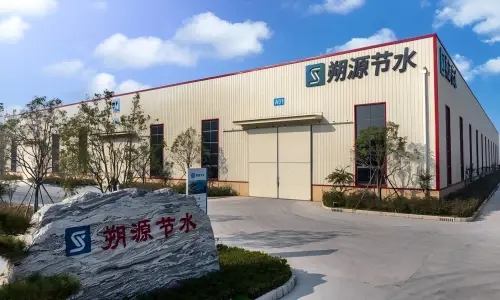
Verify that the manufacturer holds ISO 9001 certification and that components meet applicable electrical safety standards for the target market, and that the smart head control system for fertigation is correctly configured. HUAYUAN SAIT operates with 20 years of manufacturing experience, holds over 130 patents including 35 invention patents and 15 international patents, and supports OEM and ODM customization for private-label deployments.
Warranty, Maintenance, and Parts Supply
Budget for more than the unit price. HUAYUAN SAIT offers a one-year full warranty, three-year low-cost maintenance and parts replacement, and lifelong supply of spare parts at cost price. Standard delivery time is one week from order confirmation. The company's location adjacent to Xuzhou provides access to a hub-level transportation network that reduces export logistics costs and lead times.
Order Structure for B2B Procurement
Wholesale clients typically order five to twenty systems per project. Pilot orders of one to three units are supported with full on-site commissioning. Payment terms follow a 30% advance and 70% before shipment structure for most markets. All systems are compatible with mobile fertigation injection units, giving contractors flexibility to configure turnkey solutions for government agricultural projects.
Conclusion
Big companies with engineering teams used to be the only ones who could do multi-zone fertigation control, but now anyone can do it. With a well-thought-out automated head control system, namely the smart head control system for fertigation, managers of greenhouses, orchards, and row crops can all give each zone the exact same amount of nutrients. This is possible because sensors send data in real time and computers can be accessed from far away. This guide is a good place for business buyers to start when they want to learn about precision fertigation tools. It talks about the hardware specs, how to install them, and service after the sale. It is possible to get the tech, and many users mistakenly believe it is hard to do.
FAQ
Q1: Can one head control unit manage multiple irrigation zones at the same time?
Yes. The system uses zone-specific scheduling through its dual RS485 ports and multi-IO controller to sequence or simultaneously run separate zones. Each zone receives its own nutrient program, flow rate target, and timing schedule from the central control panel.
Q2: What fertilizer types are compatible with the injection system?
The system is compatible with most soluble solid and liquid fertilizers, including NPK solutions, micronutrient blends, and acid treatments. The chemical-resistant components handle concentrated solutions without degradation. Post-cycle flushing of the fertilizer channel prevents crystallization in the injection lines.
Q3: How difficult is remote operation?
Remote control is available through a mobile app connected via 4G all-network communication. Operators can adjust injection rates, view live EC/pH readings, and receive system alerts from any location with cellular coverage—no dedicated hardware terminal is required.
Q4: What maintenance does the filtration system require?
The automatic self-cleaning filter handles routine sediment removal without manual disassembly. Manual inspection of the centrifugal filter and mesh elements is recommended monthly, or more frequently in high-turbidity water sources.
Connect with HUAYUAN SAIT — Smart Head Control System for Fertigation Supplier
Huayuan Sait has 20 years of experience making things, more than 130 patents, and can work with any OEM to back up its fertigation head control technology. Our smart head control system for fertigation has an IP55-rated unit that controls the pump, filters the water, and adds nutrients. You can get it in a week, and for life, you can get free new parts. Get in touch with our team right away to talk about your project or get technical specs.
One way to reach him is at Kevin@showyirrigation.com.
References
1. Food and Agriculture Organization of the United Nations. Fertigation: Fertilizer Application Through Irrigation Systems. FAO, 2002.
2. Phene, C.J., & Howell, T.A. "Soil Sensor Control of High-Frequency Irrigation Systems." Transactions of the ASAE, 1984.
3. Silber, A., & Bar-Tal, A. "Nutrition of Substrate-Grown Plants." Soilless Culture: Theory and Practice, Elsevier, 2008.
4. Patel, N., & Rajput, T.B.S. "Effect of Fertigation Frequency and Nutrient Levels on Growth and Yield of Potato." Agricultural Water Management, 2007.
5. Hochmuth, G.J. "Fertilizer Management for Drip-Irrigated Vegetables in Florida." University of Florida IFAS Extension, 2018.
6. Lichtenberg, E., Majsztrik, J., & Saavoss, M. "Profitability of Sensor-Based Irrigation in Greenhouse and Nursery Crops." HortTechnology, 2015.
Get a tailored irrigation solution for your project — our engineering team is ready to support you from design to installation.