Can a hose reel be equipped with a truss?
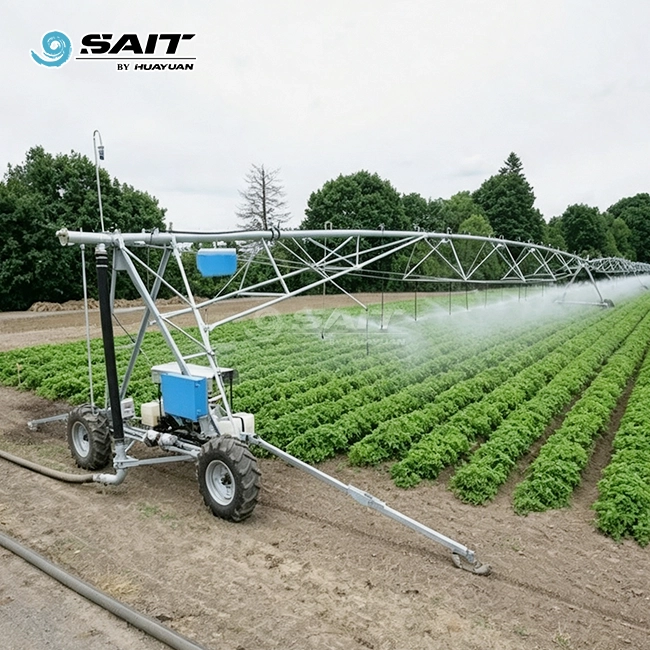
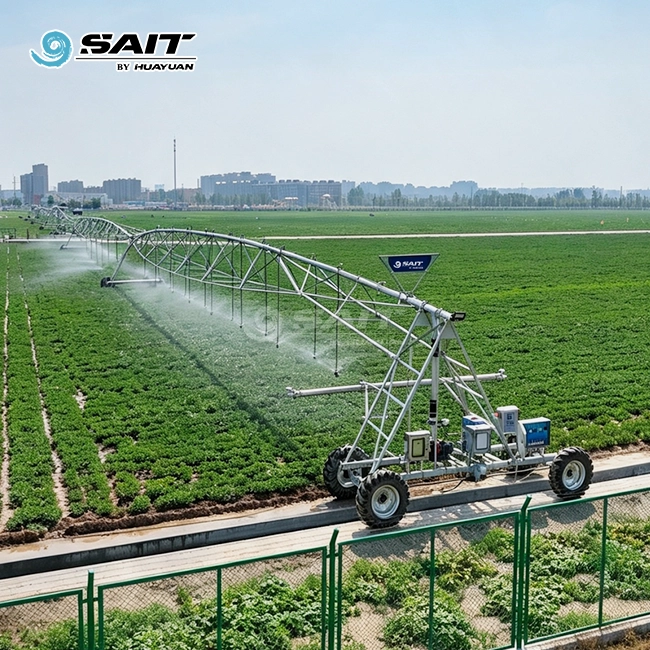
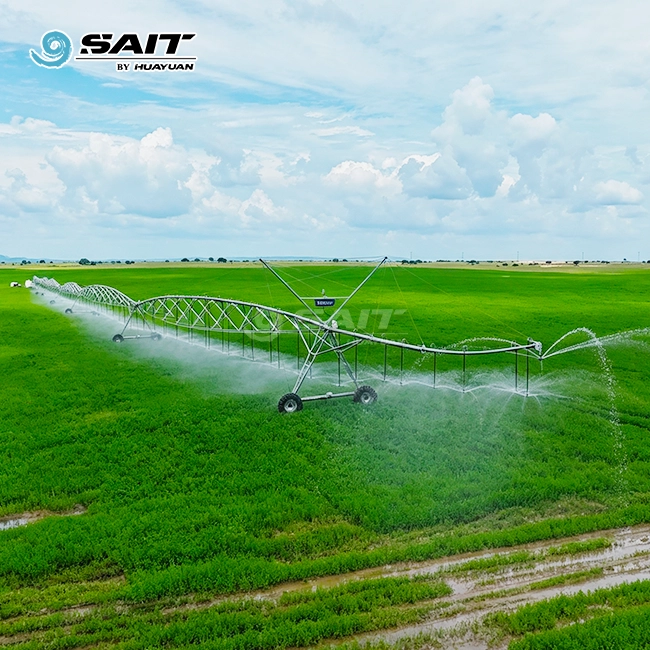
A hose reel can absolutely be equipped with a truss. A truss framework — whether steel, aluminum, or galvanized — provides a stable mounting platform that holds the reel at a fixed elevation, improves the water distribution angle, and protects the PE pipe from ground-level damage. In agricultural irrigation, pairing a turbine-driven hose reel with a truss-style boom carriage allows water to disperse more evenly across crop rows. This configuration is especially practical for medium-scale farms and sports turf managers who need consistent spray coverage without costly permanent infrastructure.
Understanding Hose Reels and Truss Structures


What Is a Hose Reel in Agricultural Irrigation?
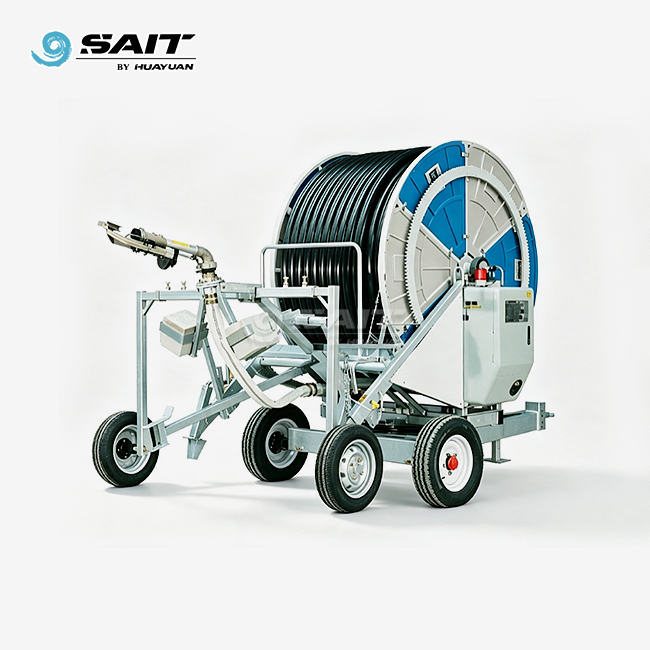
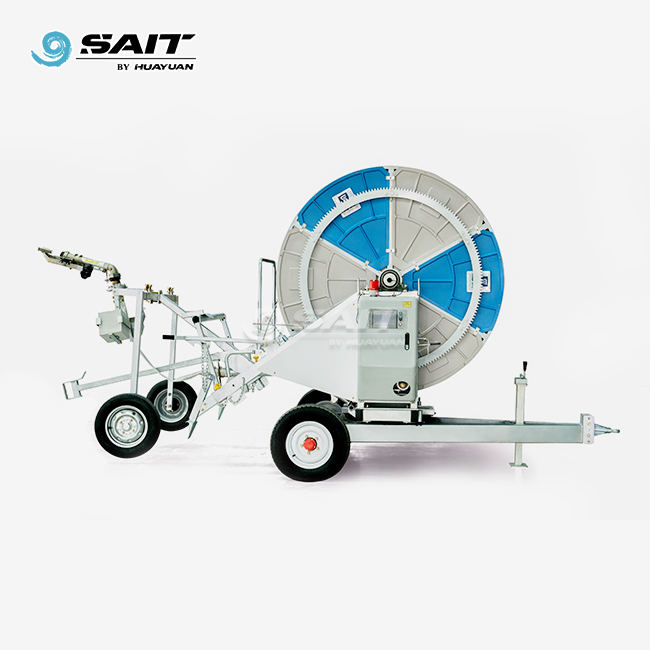
A hose reel irrigator is a mobile, self-propelled watering machine made up of a rubber drum with a big polyethylene (PE) pipe wound around it. As pressurized water moves through the system, a water turbine turns a gearbox that slowly pulls the PE pipe back. This moves a sprinkler carriage across the field at a set speed. The result is even watering over large areas of fields without having to do it by hand.
What Is a Truss in This Context?
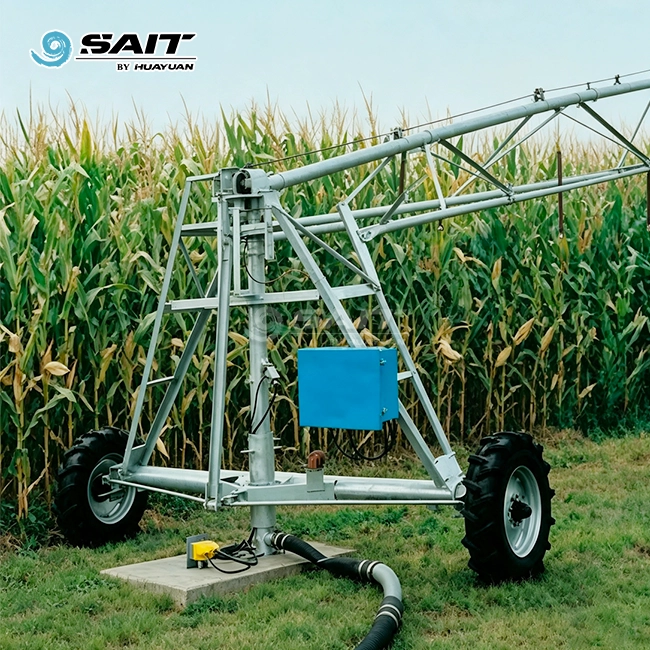
When it comes to irrigation equipment, a truss is a rigid frame made of hot-dip galvanized steel that holds up a boom spray assembly or the sprinkler carriage above the crop canopy. It spreads the weight out evenly, lowers vibrations while it's moving, and keeps the guns at the same height above the crops they're spraying. Modern designs for field irrigation often use boom carriages that are built in a truss-style.
Why Combine Them?
Putting a sprinkler boom on a truss and connecting it to a hose reel system makes a platform that covers more ground, spreads out droplets better, and stops wind from getting in the way. The Agricultural Research Service of the USDA has found that raised boom irrigation lowers water flow compared to spray guns that are used at ground level, especially on sloped land. This directly means less water use and more regular crop results for people who grow vegetables and take care of lawns.
Technical Considerations When Equipping Hose Reels with Trusses
Load-Bearing and Structural Compatibility
The truss frame has to hold up the weight of the boom assembly, the pipe parts that are filled with water, and the carriage gear. Trusses made of steel can support heavier boom configurations, while frames made of aluminum are better for lighter, portable setups. To allow for travel vibrations on uneven ground, engineers usually figure out the dynamic load as 1.5 times the static weight of the fixed unit. It is also important to choose a reel whose rated working pressure matches that of the tip package.
Installation Best Practices
The truss-mounted wagon and the PE pipe return path need to be lined up correctly to avoid uneven winding and pipe wear. As long as the pipe diameter is 75 mm or 90 mm, the hose-layering scroll bar needs to be set up to match. This keeps the coils from overlapping. To keep the reel pulling in a straight line during the irrigation run, the ground anchoring points for the frame should be set so that they are not parallel to the journey lane.
Maintenance and Lifecycle Planning
Hot-dip galvanized coatings over 80 μm thick on steel truss parts keep them from rusting for longer periods of time in the field, which means they don't need to be painted as often. Every 200 hours of operation, the oil amount in the gearbox and the wear on the turbine tip should be checked. When made from virgin polyethylene (no recycled material), PE lines last a lot longer than normal types. This directly lowers your total cost of ownership over the equipment's lifetime.
Practical Applications and Case Studies in Industrial Settings
Agricultural Field Use
For farms with 50 to 200 hectares of land, one turbine-driven reel and a truss boom carriage can water more than 1.33 hectares each time. Sprinklers with a 90 mm PE pipe, an effective irrigation length of 400 meters, and a spray range of 25–46 meters, like the JP-90/400, can deliver a flow rate of 10 to 50 m³/h. We need this amount of water for areas with row crops, corn, and wheat that need consistent rainfall rates above 8 mm/h.
Sports Turf and Landscape Management
Heads of golf courses and sports fields use truss-mounted boom systems fitted with irrigation hose to spread water evenly across the grass without making ruts like rolling spray guns do. Boom-type carriages have a low working pressure and a maximum spray width of 40 meters. This makes wind drift less likely and stops dry spots from forming in corner areas. This is a good idea for parks and sports fields where having a level surface makes it easier to play.
Contractor and Rental Applications
Truss-equipped reel systems are portable, which is useful for agricultural service workers who work with various farms. It only takes hours, not days, to move the carriage and truss system from one field to another by putting it on a cart. Standardized truss designs cut down on the time end users need to spend learning how to use the equipment. This helps rental companies that work with small farms get their equipment back more often and file fewer damage claims.
Comparing Hose Reel Setups: With Truss vs. Without Truss
Truss Boom Carriage vs. Single-Gun Sprinkler
A single-gun sprinkler carriage sends most of the water to one spot. This is good for row crops because it lets the water soak in deeply, but it can cause flooding near the gun. A truss boom carriage spreads the same flow rate across more than one nozzle over a wider area. This makes the application depth more even and the droplets smaller. The International Commission on Irrigation and Drainage did tests that show multi-nozzle boom systems are up to 30% better than single large-bore guns at making sure that the application is even.
Manual vs. Turbine-Driven Retraction
With a manual reel system, the user has to change the speed of retraction by hand, which makes the application level less consistent. Turbine-driven systems, which get their power only from moving water, keep the retraction speed steady at 8 to 80 m/h, based on the type chosen. This stability lets the exact depth of the watering be set by changing the recovery speed before the run starts, even when there is no electricity on-site.
Steel Truss vs. Aluminum Frame
Steel trusses are the standard for business farming uses because they are more rigid and last longer when big loads are put on them. Moving heavy frames is easier with aluminum frames, which is helpful for rental fleets that move equipment around a lot. The trade-off is load capacity: steel trusses can support boom widths of up to 40 meters, while aluminum frames work best for narrower setups where portability is important.
Procurement Guide: Buying Hose Reels Equipped for Truss Integration
Key Selection Criteria
When purchasing, managers check if reel systems will work with trusses; they should make sure of three things: the PE irrigation hose thickness (75 mm or 90 mm), the working inlet pressure range (0.3–1.2 MPa depending on the model), and the widest boom that the carriage can hold. The power source at the target site should match the type of drive system (turbine, electric, or mechanical). This is especially important for farms that are not connected to the power grid, where a water turbine drive is the only option.
Here are HUAYUAN SAIT's main product lines that can be used in truss-compatible ways:
This is a 75 mm PE pipe that can be used for irrigation over 300 to 500 m, has a spray range of 24 to 44 m, and can travel at speeds of 8 to 60 m/h. It can be used with both single-gun and boom carriage setups.
- JP-75/300 to JP-75/500: 75 mm PE pipe, effective irrigation lengths of 300–500 m, spray range 24–44 m, travel speed 8–60 m/h, compatible with both single-gun and boom carriage setups.
- JP-90/300 and JP-90/400: 90 mm PE pipe, effective irrigation lengths of 300–400 m, spray range 24–46 m, travel speed 10–80 m/h, flow rates up to 50 m³/h, suitable for high-demand field applications.
- PE pipe longevity: Virgin polyethylene pipe with a service life exceeding 15 years; machine average service life exceeds 10 years.
- Water savings: Over 50% water savings compared to traditional flood or spray gun irrigation, with documented crop yield improvements.
Instead of over- or under-sizing the system, these specs let procurement managers match the reel model directly to the size of the field, the type of crop, and the water flow that is available.
Working with a Trusted Hose Reel Supplier
A factory-direct supplier that does both OEM and ODM lets buyers choose the size of the truss frame, the number of boom nozzles, the length of the PE pipes, and the language used on the control panel before production starts. With 20 years of experience making things and the ability to make 14,000 units a year, HUAYUAN SAIT can take on first orders as small as 3–5 units for testing the market. Lead times are usually 30–45 days, and we can deliver within a week from our facility near Xuzhou.
Conclusion
A hose reel with a truss is a tried-and-true, technically sound setup that makes water distribution more even, cuts down on manual labor, and works well in both farming and landscape watering systems.
FAQ
Q1: Can any hose reel model be paired with a truss boom carriage?
Not every reel is designed for boom carriage integration. You need to confirm that the reel's turbine drive and gearbox can support the higher resistance load of a multi-nozzle boom versus a single-gun carriage. HUAYUAN SAIT's JP-75 and JP-90 series are both compatible with single-gun and boom-type carriages.
Q2: What safety standards apply to truss-mounted irrigation systems?
Truss frame integrity should meet the structural load standards applicable in your region. Steel components with hot-dip galvanizing over 80 μm provide corrosion resistance that meets long-term outdoor service requirements. For export markets, CE and ISO 9001 certifications are available upon request.
Q3: Does truss integration affect PE pipe wear?
Proper carriage alignment and a calibrated hose-layering mechanism prevent abnormal pipe wear. Virgin PE pipes — thicker-walled and free of recycled material — maintain flexibility over a 15-year service life even under regular retraction cycles.
Q4: How does a truss boom affect water savings?
Multi-nozzle boom systems distribute flow over a wider area at lower pressure, reducing runoff and evaporation. Field data shows water savings of over 50% compared to traditional spray gun systems, with application uniformity above 90%.
Get Truss-Compatible Hose Reel Systems from HUAYUAN SAIT
Not every hose reel is made to work with a boom frame. You need to make sure that the reel's turbine drive and gearbox can handle the extra resistance that comes from a multi-nozzle boom compared to a single-gun carriage. The JP-75 and JP-90 types from HUAYUAN SAIT can work with both single-gun and boom-type carriages. Email our technical team at kevin@showyirrigation.com.
References
1. Food and Agriculture Organization of the United Nations. Irrigation Water Management: Irrigation Methods. FAO, 2019.
2. USDA Agricultural Research Service. Evaluation of Sprinkler and Drip Irrigation Systems for Field Crops. USDA-ARS, 2020.
3. International Commission on Irrigation and Drainage. Performance Assessment of Sprinkler Irrigation Systems. ICID, 2018.
4. Keller, J., & Bliesner, R. D. Sprinkle and Trickle Irrigation. Van Nostrand Reinhold, 1990.
5. Evans, R. G., & King, B. A. Site-Specific Sprinkler Irrigation in a Water-Limited Future. Transactions of the ASABE, 2012.
6. Phocaides, A. Handbook on Pressurized Irrigation Techniques. FAO, 2007.
Get a tailored irrigation solution for your project — our engineering team is ready to support you from design to installation.