What is pivot irrigation?
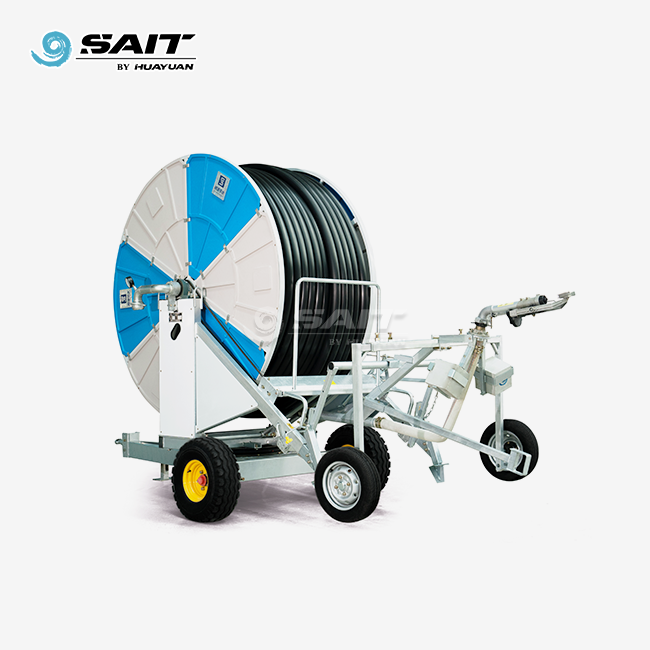
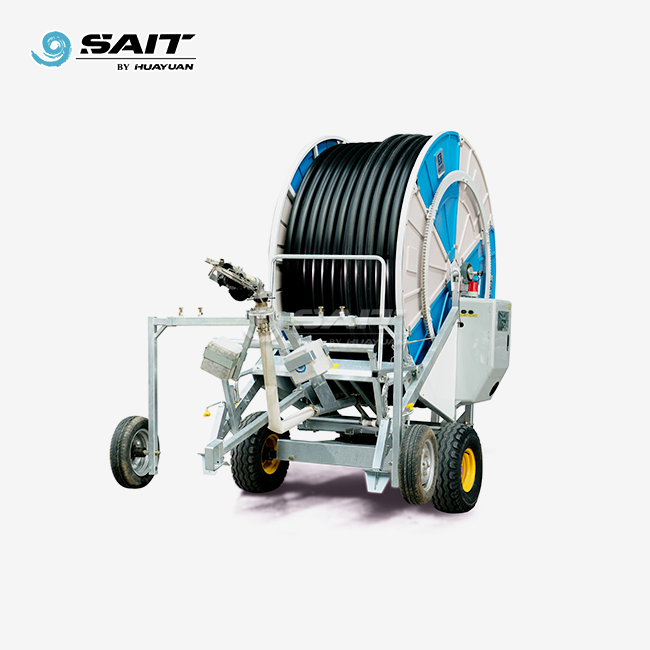
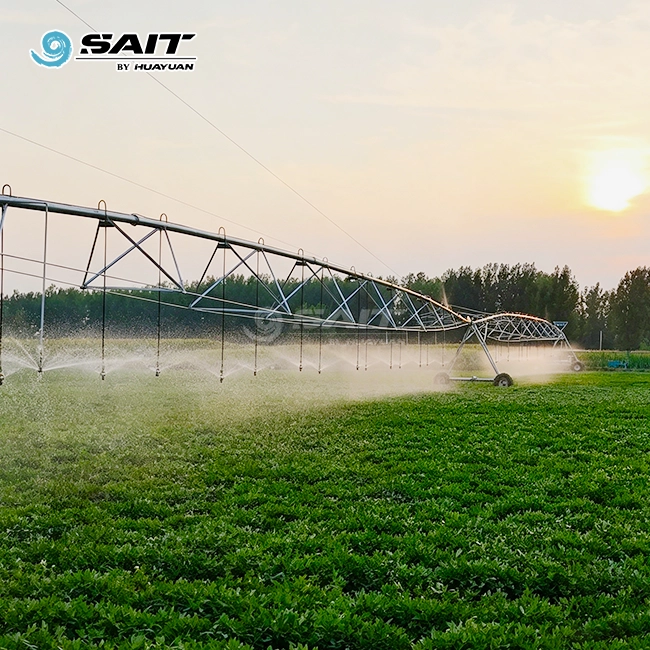
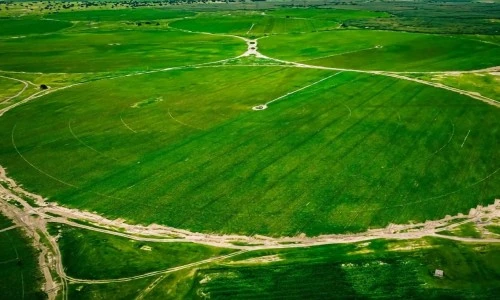
Pivot irrigation, also known as a center-pivot irrigation machine, is a mechanized overhead sprinkler method where a water-carrying pipeline rotates around a fixed central point, delivering water uniformly across a circular field. Engineered to replace labor-intensive flood and furrow systems, pivot irrigation dramatically reduces water consumption while improving crop uniformity. A single unit can cover 4 to 200 hectares per irrigation cycle, making it the preferred choice for large-scale commercial farming operations growing corn, soybeans, wheat, cotton, and sugarcane. According to the USDA Economic Research Service (2019), center pivot systems account for over 50% of all irrigated cropland in the United States.
Understanding Pivot Irrigation Systems
These days, center pivot systems are a lot more complex than just pipes that rotate. Today's setups include precise tip packages, tower positioning that is done automatically, and cloud-based control platforms. These make overhead irrigation a powerful tool for farming.
Core Structural Components
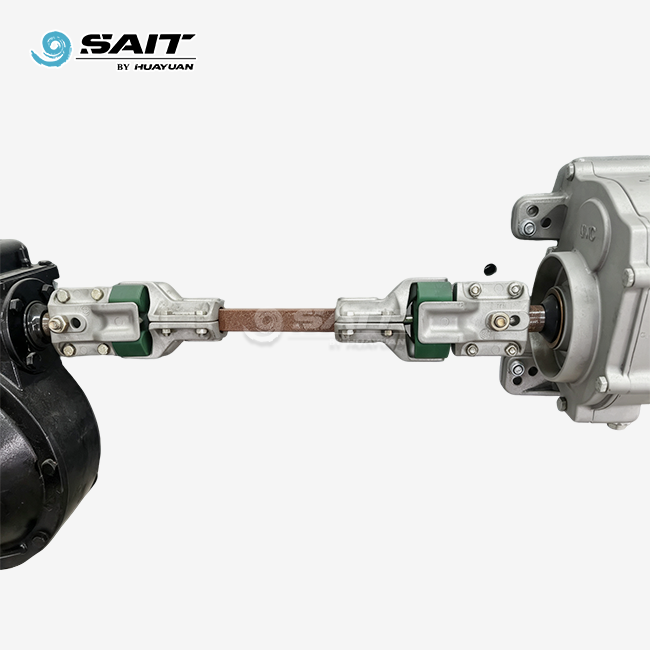
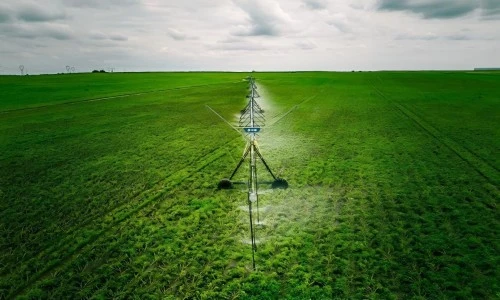
A center pivot system is attached to a water supply at a fixed pivot point. Each span is supported by a self-propelled tower and extends outward. The lengths of the spans are usually between 37.5 m and 66.5 m. To keep the towers rotating at the same time, they use an electric gearmotor (25.5:1 at 1.5 hp or 40:1 at 0.75 hp) and wheel gears (50:1 or 52:1). The main pipe runs pressurized water through galvanized steel lines with diameters of 5" (127mm), 6-5/8" (168mm), or 8-5/8" (219mm). The outlets are spaced 1.9 m or 2.9 m apart to allow for different sprinkler setups.
System Classifications and Profile Options
Different types of crop cleaning needs can be met by different types of pivot systems based on their profile height. HUAYUAN SAIT comes in four different styles: standard (2.1 m), low, high (3.8 m), and ultrahigh (4.5 m). These styles let you work with everything from corn and wheat to tall sugarcane and soybeans. Center-turn systems work best with circle layouts, while linear irrigation machines work best with rectangular ones. Both types of systems are further divided by pressure class and automation level. This gives procurement engineers an exact configuration matrix that can be used to fit the site's shape, the rate at which water soaks into the earth, and the needs of different types of crops.
Advantages and Efficiency of Pivot Irrigation
Due to a lack of water and rising costs, commercial farmers have to carefully consider every liter they use. Center pivot technology solves both problems in a way that can be measured.
Given below are the main performance benefits of this technology that make it so appealing:
- Water savings exceeding 70%: Using low-pressure nozzle kits that work at 6–20 PSI reduces evaporative drift and surface flow, which means that more than 70% less water is used than with traditional flood irrigation. It keeps the soil from getting too wet by changing the amount of water applied based on real-time data on how much water is infiltrating the soil.
- Irrigation uniformity above 90%: The catch-can distribution test showed that the irrigation was more than 90% uniform, which is called the coefficient of uniformity. To account for faster travel speeds at the outer spans, the sizes of the nozzle orifices get bigger as the radius gets bigger. This is an important technical feature that many lower-grade systems miss.
- Integrated fertigation capability lets soluble nutrients flow through the same pipeline, so there is no need for separate application passes. This saves a lot of time and money on jobs that cover more than 500 hectares.
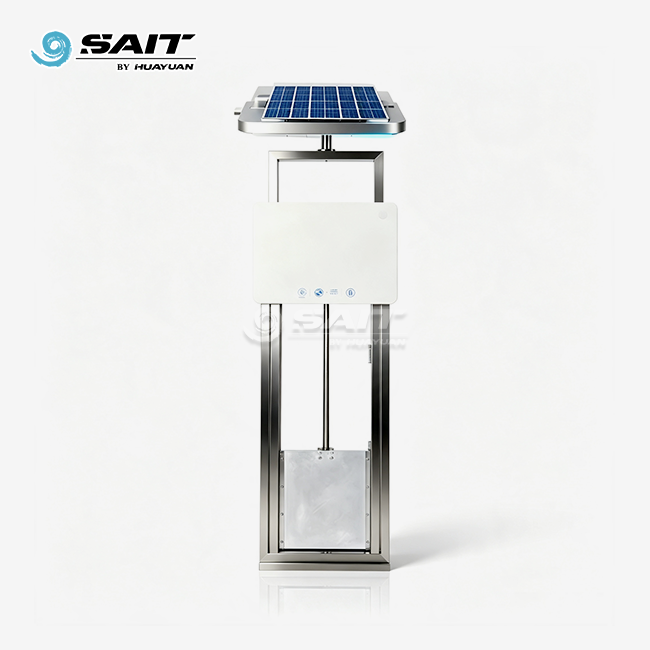
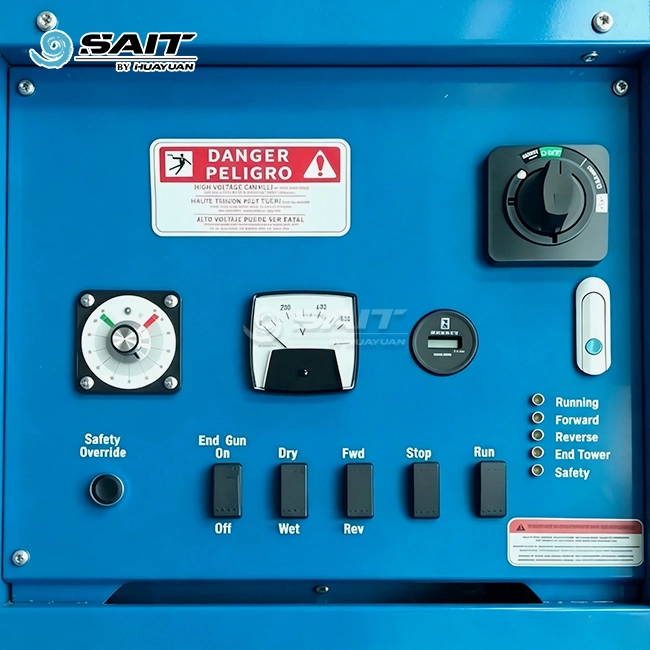
- SAIT Smart Control System lets you schedule irrigation from afar, handle zones, and use Variable Rate Irrigation (VRI) that is controlled by big data agronomic models. It also works with third-party SCADA and farm management systems.
These benefits directly lead to a lower total cost of ownership, which is a factor that procurement managers always put above the original purchase price when weighing choices about capital equipment over a 20-year asset lifecycle.
The BeiDou navigation-enabled Corner Arm technology needs its own care. With traditional center pivots, the sides of the field are not watered, which wastes up to 21% of the area of a square field. The HUAYUAN SAIT's GPS-guided corner arm automatically extends and retracts, lowering the number of missed irrigation runs to less than 5% and recovering an extra 15% of effective irrigation area per unit. This is a substantial yield recovery that has a direct effect on the project ROI for every installation.
Key Considerations for Pivot Irrigation System Procurement
When buying mechanized irrigation equipment, there's more to it than just comparing prices in catalogs. The total cost of ownership includes setting up the system, maintaining it once a year, getting replacement parts, and the system's lifespan.
Structural Durability and Corrosion Protection
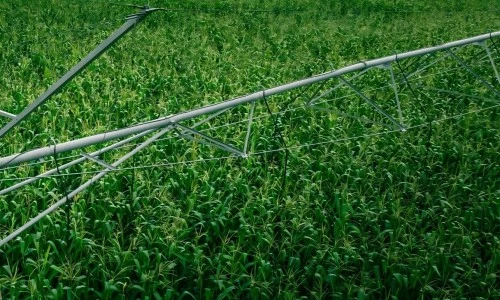
HUAYUAN SAIT systems use hot-dip galvanized steel that has a zinc coating that is at least 80μm thick. This is thicker than the ASTM A123 standard requirement and works much better than cold-galvanized or spray-coated options. It is designed so that this coating will last more than 20 years, even in soils that are very wet, salty, or chemically active. The engineered truss rod (20 mm or 22 mm diameter) and angle framework spread the load evenly across each span, which keeps the structure from wearing out when it's used all the time.
Procurement Selection Criteria
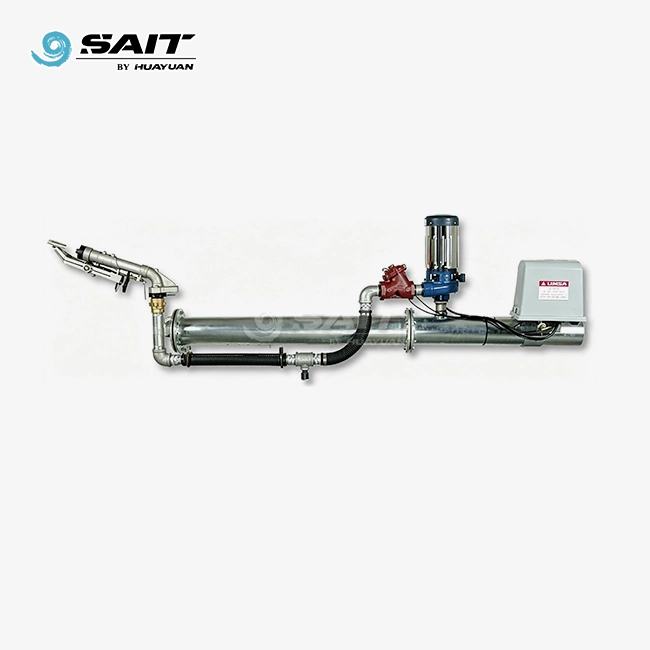
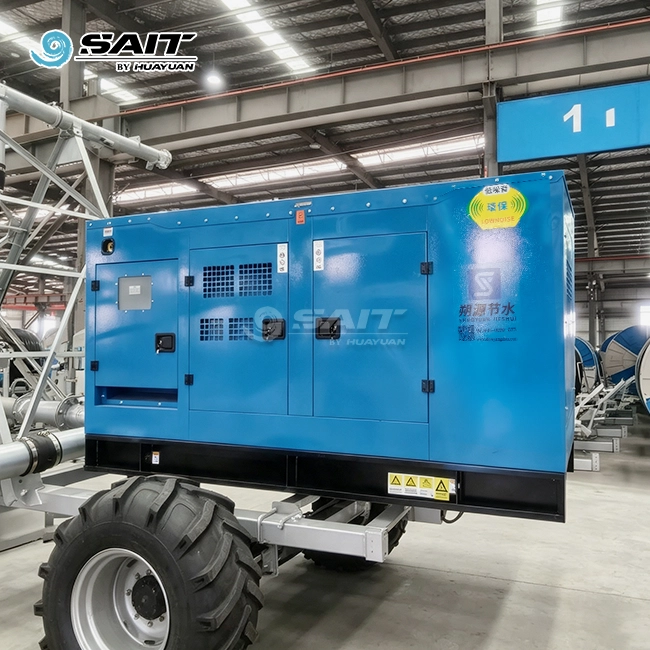
It is necessary to match the system setup to factors that are unique to the field. Some important factors are the rate at which water soaks into the ground, the pressure and flow volume of the water source, the crop cutting height, the shape of the field, and the availability of three-phase power in the area. When running a business in an area that isn't connected to the power grid, like in some parts of Central Asia and Africa, diesel-powered pump station integration must be confirmed during the specification stage. The types of wheels (11.2-24, 14.8-24, 16.9-24, tube or tubeless) should match the soil-bearing ability to avoid rutting when it's wet.
After-Sales Infrastructure
HUAYUAN SAIT offers on-site installation guidance, a full guarantee for one year, low-cost upkeep and part replacement for three years, and spare parts at the factory cost price for life. UL-listed armored cable specifications and standardized component architecture make it possible for field technicians to find replacement parts without having to rely on a proprietary supply chain. This is something that operators who switched from Valley or Lindsay systems to other manufacturers often complain about.
Comparison with Other Irrigation Methods for Decision Support
A dripline irrigation system gets water right to the roots, but it's hard to use on operations that cover more than 500 hectares. For the same amount of land, installing an underground drip system usually costs three to five times as much as installing a center pivot system. Furrow irrigation doesn't cost much, but it uses 50–70% more water, makes crop stands uneven, and needs constant human supervision, which doesn't work with today's goals for automated farm management.
Center pivot systems are a good compromise because they have a lower starting cost per hectare than drip irrigation, use water much more efficiently than flood or furrow methods, and can run themselves, freeing up workers to do more important agronomic chores. When EPC contractors are planning turnkey irrigation systems for projects covering 1,000 hectares or more, a center pivot is usually the best choice because it can be scaled up, is automated, and has a predictable cost of maintenance.
Future Trends and Innovations in Pivot Irrigation
Precision agriculture integration is changing how people who buy things look at pivot systems. AI-driven scheduling of irrigation, feedback from soil moisture sensors, and VRI control via satellites are changing the focus of review from hardware specs to platform support and data interoperability. Before asking about pipe thickness, buyers now ask if a system works with farm management tools they already have.
Sustainability compliance is also shortening the time it takes for government-funded programs to buy things. More and more, bids for World Bank and FAO agricultural development projects in Africa and Southeast Asia need to include quantified data on how well the projects save water. Systems that can reduce water use by 70% or more compared to flood baselines and have ISO 11545 distribution uniformity approval have a clear edge when it comes to buying in this category.
Conclusion
For large-scale crop production, center pivot technology is still the most scalable, water-efficient, and automation-friendly way to water crops. To choose the right irrigation machine, you need to make sure that the basic requirements, control platform skills, and long-term service infrastructure are all in line with how you run your business. HUAYUAN SAIT has been making things for 20 years, has more than 130 patents, and uses 80µm hot-dip galvanized construction and BeiDou-integrated smart controls to make a solution that works in a wide range of global working conditions.
FAQ
1. How much does a center pivot irrigation system cost?
System prices depend on the number of spans, the width of the pipeline, and the type of automation package chosen. Prices for configurations that cover 50 to 200 hectares are usually between $50,000 and $200,000 per unit. HUAYUAN SAIT takes pilot orders for a single unit, which lets them do a cost-effective field demonstration before buying the whole project.
2. Can pivot systems irrigate irregular or square fields?
The HUAYUAN SAIT Corner Arm system uses BeiDou GPS direction to automatically extend and withdraw its arms. This waters the corners of square or irregular fields and reduces the area that is missed to less than 5%.
3. What maintenance does a center pivot require?
The main maintenance tasks include changing the oil in the engine once a year, lubricating the joints before the season starts, inspecting the nozzle package, and making sure the balance is correct. The three-year low-cost maintenance scheme for HUAYUAN SAIT makes these processes the same and makes factory-cost parts available.
4. How long do center pivot systems last?
HUAYUAN SAIT systems are made of 80µm hot-dip galvanized steel and should be serviced once a year to make sure they last longer than 20 years.
5. Is remote operation possible?
The SAIT Smart Control System can be fully controlled from afar, with real-time telemetry and cloud platform integration allowing for scheduling of irrigation, zone management, and virtual reality (VRI).
Partner With HUAYUAN SAIT — Leading Pivot Irrigation Manufacturer
HUAYUAN SAIT brings 20 years of engineering experience, more than 130 patents, and the ability to make 1,800 systems a year to every procurement inquiry. Our team offers site-specific setup, OEM/ODM private labeling, and full after-sales support, whether you need a trial unit to test in the field or 10,000 hectares of multiple units. To get a custom quote for your center pivot irrigation project right away, email our team at kevin@showyirrigation.com to request a customized quotation for your center pivot irrigation machine project today.
References
1. USDA Economic Research Service. (2019). Irrigation & Water Use.
2. Food and Agriculture Organization of the United Nations. (2016). Sprinkler Irrigation Systems: Design, Operation and Evaluation.
3. ASABE. (2017). S436.1: Test Procedure for Determining the Uniformity of Water Distribution of Center Pivot and Lateral Move Irrigation Machines Equipped with Spray or Sprinkler Nozzles.
4. University of Nebraska-Lincoln Extension. (2020). Center Pivot Irrigation Handbook. EC3017.
5. ASTM International. (2022). ASTM A123/A123M: Standard Specification for Zinc (Hot-Dip Galvanized) Coatings on Iron and Steel Products.
6. ISO. (2017). ISO 11545: Agricultural Irrigation Equipment — Centre-Pivot and Moving Lateral Irrigation Machines with Sprayer or Sprinkler Nozzles — Determination and Expression of Distribution Uniformity.
Get a tailored irrigation solution for your project — our engineering team is ready to support you from design to installation.