What is a media filter?
When I first walked through a commercial greenhouse operation in California's Central Valley, I noticed something striking: the crystal-clear water flowing through rows of tomato plants. The farm manager pointed to a compact unit near the irrigation control panel. "That's our media filter," he said. "Without it, our drip emitters would clog within weeks." That moment revealed something essential—successful fertigation depends on filtration technology that most growers never think about until something goes wrong. A media filter is a pressure-driven filtration vessel containing granular materials such as silica sand, anthracite, or garnet that removes suspended solids, organic matter, and turbidity from irrigation water through depth filtration. Unlike surface filters that trap particles only on the outer layer, these systems utilize the entire bed depth to capture contaminants ranging from 10 to 130 microns. This approach proves especially valuable in fertigation applications where fertilizer salts, algae growth, and sediment threaten system performance and crop nutrition delivery.
Understanding Media Filters: Definition and Working Principles
Understanding Media Filters: What they are and how they work. The main job of these filtration systems is to do something simple but beautiful. Under pressure, water runs into the tank and out through an underdrain system. The water moves downward through layered media beds. Through mechanical pressure, adsorption, and sedimentation, the granular media makes winding paths that catch particles.
Core Components of Filtration Vessels
In these systems, three important parts work together. The filter body can handle pressures of up to 0.7 MPa and is usually made of fiberglass-reinforced polyester or stainless steel. Inside, the media bed is made up of carefully graded materials chosen to get rid of particles of a certain size. The distribution system has a lower underdrain unit with support gravel layers and an upper outlet diffuser that stops channeling.
How Depth Filtration Works
The filter system works on more than one level at the same time. When the upper media layers are mechanically strained, big particles get stuck in them. Smaller particles stick to the surfaces of media grains because of van der Waals forces and electrostatic attraction. The deepest layers polish the effluent the last time, making sure that the quality stays the same even as contaminants build up in the upper zones. Compared to cartridge alternatives, this progressive loading pattern greatly increases the number of service cycles.
Common Media Materials and Selection
Sand is still the most common material used in agriculture. Its effective size (d10) numbers are usually between 0.4 and 0.8 millimeters. Because it is less dense and has a larger effective size, anthracite is perfect for the top layer in multimedia setups. Garnet forms a thick layer at the bottom that traps small objects. Activated carbon gets rid of dissolved organics and chlorine when the quality of the water needs more cleaning than just getting rid of particles.
Types of Media Filters and Their Advantages
Different kinds of Media filters and what they're good for. Different types of filtering are used to solve different problems in fertigation and watering systems. Knowing about these differences helps procurement managers choose technology that works well with the site and meets business needs.
Single Media versus Multimedia Configurations
Single Media filters use the same coarse material all the way through the bed. When the quality of the influent is stable and the level of turbidity is moderate, these systems work very well. Multimedia filters stack two or three materials that get less dense from top to bottom. This makes an ideal filtration gradient that can handle different water quality levels without pressure building up quickly.
Comparing Filtration Technologies
Several things affect the choice when options are being considered. Screen and disc filters take up less room, but they need to be cleaned more often when there is a lot of sediment in the water. Even though cartridge systems give accurate micron numbers, they become too expensive when flow rates go above 50 gallons per minute. Granular media in depth filters are better at holding dirt, and they can handle 3 to 5 times more contaminants before they need to be backwashed. This means less frequent upkeep and steady irrigation system performance during important stages of growth.
Advanced systems can automatically clean themselves, which has a lot of practical benefits. The Smart Head Control System from HUAYUAN SAIT combines DN100 centrifugal pre-filtration with the ability for DN100 to clean itself automatically at 120/130 mesh precision. This two-step process gets rid of both heavy sediment and fine particles with little need for human help.
Application-Specific Filter Selection
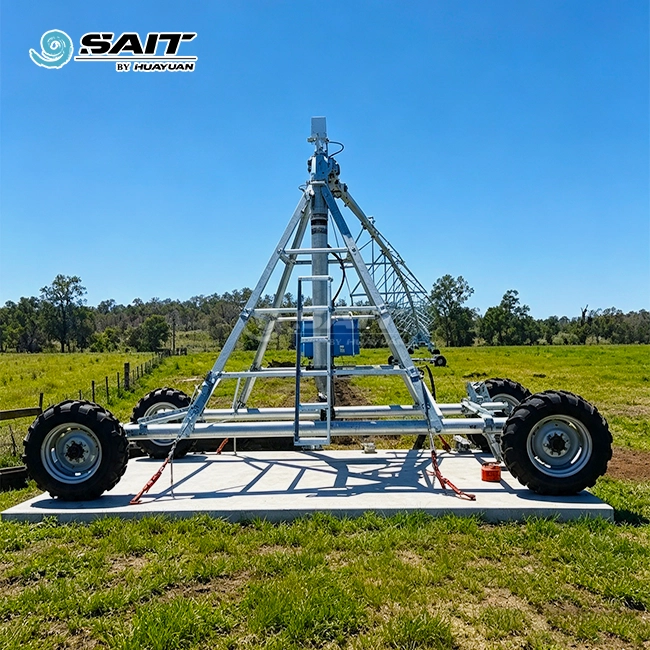
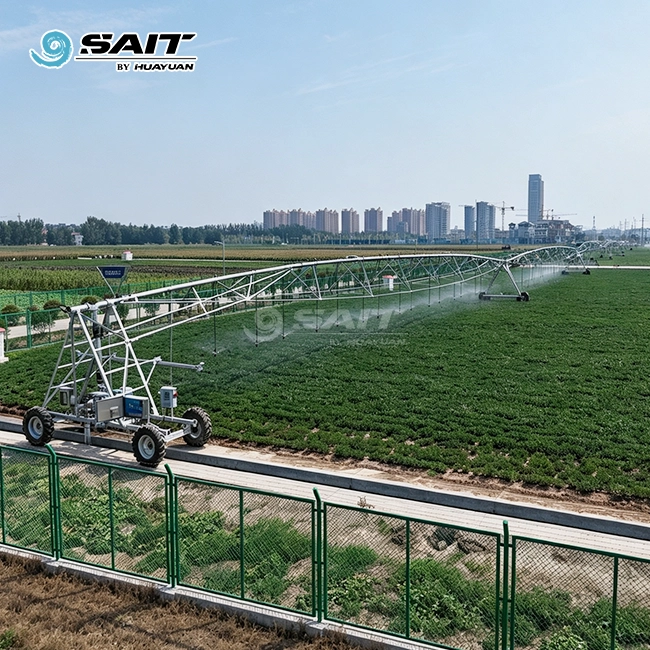
Multimedia setups that keep turbidity levels very low are good for greenhouse hydroponic operations because they protect sensitive drip emitters and foggers. With single-media sand screens and upstream hydrocyclone separators, orchard fertigation systems that use well water with modest sediment loads work consistently. For open-field center pivot installations, the filtration needs to be strong enough to handle changes in flow rates and water quality throughout the year.
Media Filter Maintenance and Longevity Tips
How to Take Care of and Make Your Media Filter Last Longer. The right way to maintain filter systems directly affects how long they last and how much trouble they cause to run. After working with agricultural clients for 20 years, we've seen that operations that do well share common maintenance practices.
Recognizing When Backwashing is Needed
The most important sign is differential pressure. It is time to start backwashing when the pressure drop across the filter bed rises by 5 to 7 PSI above the clean standard. Putting off this care lets greater bed penetration happen, which packs down the media and makes the backwash less effective. Backwashing is sometimes scheduled based on flow rate instead of pressure, which works well as long as the quality of the influent stays the same.
Proper Backwashing Procedures
To backwash effectively, the flow direction must be changed, and the media bed must be made 20 to 30 percent bigger. This turns the granular material into a liquid, which lets the particles that are stuck inside flush out through the waste line. The temperature of the water has a big effect on the process. Colder water makes the viscosity higher, so higher flow rates are needed to get the bed to expand properly. Usually, the backwash cycle lasts for three to five minutes. After that, there is a rinse phase that makes the media clean again before it can be used again.
Extending Media Lifespan
If you take care of high-quality silica sand or anthracite, it will last for 5 to 7 years. Three habits will help you live longer. First, screening upstream gets rid of things that could hurt the media grains during backwashing. Second, keeping an eye on attrition loss during regular checks lets you know when media needs to be replaced. Third, the bed is checked once a year to see if there is any channeling, mudball formation, or support gravel disruption that could hurt the filtration process.
Purchasing Media Filters: What B2B Buyers Should Know?
What business buyers need to know about buying Media filters. When making a procurement choice, you have to weigh the short-term costs against the long-term benefits for operations. From helping greenhouse owners and irrigation workers, I've learned that there are a few important things that make the difference between successful and unsuccessful setups.
Integration with Existing Infrastructure
Depending on how well it works with the existing system, adding new filtration equipment can be a simple addition or an expensive retrofit. The sizes of the inlet and outlet connections must match the sizes of the existing pipeline. The working pressure range should be able to handle the regular changes in the irrigation system's pressure without the need for extra pressure control. Flow capacity needs to match times of high demand, especially in center pivot situations where the whole system is running at the same time.
Because they can be set up in different ways, HUAYUAN SAIT's fertigation systems can handle these interaction problems. Our single-channel systems have DN25 connections for the input and exit, and the injection rates can be changed from 60 to 1000 L/h to fit different field sizes and crop needs. The Smart Head Control System can handle DN200 lines and an 11 kW pump for bigger jobs, but it still works within the same 0.2 to 0.7 MPa range.
Automation and Control Capabilities
Intelligent control integration is a big plus for modern filtration systems. Touchscreen displays make it easier for workers with different levels of technical knowledge to use. Managers can keep an eye on system performance from anywhere with mobile apps that allow remote tracking. The automation platform we made has an ARM9 industrial-grade chip with 4G connection. This lets us change the amount of fertilizer injected in real time based on the stage of crop growth or changes in the field.
Evaluating Supplier Capabilities
Reliable suppliers show specific skills that go beyond just having products available. Custom requirements for big projects can be met by OEM and ODM services. Clear English in technical documents gets rid of confusion during installation and upkeep. On-site commissioning support makes sure that systems work right from the start. We offer a one-year warranty, low-cost maintenance programs for three years, and spare parts at factory prices for life. These are promises backed by 20 years of manufacturing experience.
Cost Considerations and ROI
The initial cost of buying equipment is only a small part of the total cost. Over the course of five years, operational costs like energy use, upkeep work, and replacement parts often add up to more than the purchase price. Systems that cost more up front often have a lower total cost of ownership because they need less maintenance, less energy, and longer repair times. Because we are strategically located near Xuzhou, we have better operations that lower shipping costs and wait times for buyers in North America. This makes bulk orders more valuable.
Enhancing Your Filtration Strategy with Media Filters
Using Media filters to improve your filtering strategy. Routine upkeep can be turned into a competitive edge with strategic planning for filtration. The most successful businesses see filtration as an important part of managing nutrients, not just a separate piece of equipment.
Integration with Fertigation Systems
Filtration and fertilizer input work together to make the water better and the nutrients more precisely delivered. Our Fertilizer-Irrigation Integration System uses a single piece of software to handle pumps, filter water, and add fertilizer. The sealed design and IP55 grade make sure that it can work reliably in temperatures from -20°C to 60°C outside. Being able to use both soluble and liquid fertilizers gives you options when your crop plans change with the seasons.
Advanced Control Features for Precision Agriculture
As farming becomes smarter, it needs filtering systems that can talk to bigger platforms for farm management. Our controller architecture, which is based on the ThreadX operating system, works with RS485 protocols and a number of different input/output (IO) configurations. This makes it easy to connect to third-party SCADA or IoT platforms. Monitoring EC, pH, flow rate, and pressure in real time lets you react right away to changes that might affect the nutrition of crops or the efficiency of the system.
Case Study: Almond Orchard Performance Improvement
A 500-acre almond farm in California's San Joaquin Valley had trouble with inconsistent nutrient supply and having to change emitters all the time. The operation got better in a number of ways after we installed our Smart Head Control System. The consistency of the irrigation rose across the field from 82% to 94%. The time between maintenance checks for emitters went from 18 months to over 36 months. The cost of fertilizer per acre went down by 12 percent because it was applied more efficiently. The operation manager said that being able to watch things from afar cut down on site visits by about 40% while making it easier to respond to system alerts.
Future-Proofing Your Investment
New filter technologies focus on being sustainable and flexible. Media with better absorption abilities go after specific contaminants, like phosphates or metals that have been dissolved. Self-diagnostic systems can tell when they need maintenance before they break down. Modular designs let businesses grow by adding more space. These new ideas build on depth filtration ideas that have been used successfully in the past while also meeting new challenges in agriculture.
Conclusion
Media filters are the building blocks of solid fertigation systems. They protect expensive structures and make sure that crops always get the nutrients they need. The technology has a history of success in agricultural settings because it is well-designed, doesn't need much upkeep, and can adapt to different water quality circumstances. Instead of just looking at how much the equipment costs at first, procurement decisions should focus on how well it integrates, how automated it is, and how well the seller supports it. Precision agriculture is getting better all the time. For commercial growers, the best operational benefits and return on investment will come from filtration systems with smart controls and full monitoring.
FAQ
Q1: What causes rapid pressure buildup in filtration vessels?
There are three main situations that can cause the difference pressure to be too high. Biological pollution from algae or bacterial growth needs to be cleaned up with the right chemicals on a regular basis. When polymer flocculants are added too much upstream, they make a thick mat on the surface of the media. This is called surface blindness. Backwash flow rates that are too low don't spread the bed out enough, so contaminants stay squished in the top layers. Fixing the problem at its source, not just raising the backwash frequency, leads to long-lasting results.
Q2: How do I determine optimal backwash frequency?
The most reliable indicator is keeping an eye on the differential pressure. Setting a standard when the media is clean lets you compare as the bed fills up. Backwashing when the pressure difference rises by 5 to 7 PSI stops the material from getting too compacted and gets the most out of the filter processes. When the quality of the influent stays mostly the same, some operations prefer time- or volume-based triggers. However, pressure monitoring is better at adapting to changing conditions.
Q3: Can these systems handle fertilizer-laden water?
Standard grainy media does a good job of getting rid of suspended solids, but it doesn't filter dissolved fertilizers, which is good because nutrients should stay in solution. The problem is to keep fertilizer from settling on the filter bed itself. Crystallization can be avoided by the right order of injections, enough mixing, and the right pH level of the water. Our systems use ultrasonic flow tracking and customizable injection time to keep precise nutrient delivery and reduce the risk of precipitation.
Q4: What's the expected service life of filtration media?
Most of the time, high-quality silica sand or anthracite will last for 5 to 7 years with proper maintenance. Specialized media, like activated carbon or catalytic materials, may need to be replaced every three to four years because their active sites run out. Regular sieve analysis during yearly inspections finds excessive fines production or attrition, which means the sieve needs to be replaced. During the life of the tools, we provide replacement media at the cost of the plant.
Partner with a Trusted Media Filter Manufacturer
Work with a reputable company that makes Media filters. HUAYUAN SAIT has been a great engineer for twenty years and now designs and builds fertigation systems. Our streamlined method uses centrifugal pre-filtration, automatic self-cleaning technology, and smart injection control to create full solutions designed for farming activities in North America. With more than 130 patents, including 35 invention patents, we've created our own technologies that solve real problems that growers face every day, like keeping fertilizer from crystallizing and making it easy to connect to center pivot systems. Because our factory is in Xuzhou, we can deliver basic setups quickly—within a week—and we can do full OEM and ODM customization for special projects as well. Get in touch with kevin@showyirrigation.com to talk about how our Media filter options can improve your irrigation and fertigation systems. We offer professional installation help, a full guarantee, and technical support for life.
References
1. American Water Works Association. (2018). AWWA Manual M50: Water Resources Planning. Denver: AWWA.
2. Burt, C. M., & Styles, S. W. (2021). Irrigation and Fertigation System Design: Fundamentals and Best Practices. San Luis Obispo: Irrigation Training and Research Center.
3. Food and Agriculture Organization. (2017). Water Quality for Agriculture: FAO Irrigation and Drainage Paper 29. Rome: FAO Publications.
4. Nakayama, F. S., & Bucks, D. A. (2019). Trickle Irrigation for Crop Production: Design, Operation and Management. Amsterdam: Elsevier Science.
5. Pescod, M. B. (2020). Wastewater Treatment and Use in Agriculture: Filtration Principles and Applications. Rome: FAO Publications.
6. United States Environmental Protection Agency. (2019). Drinking Water Treatment Plant Residuals Management Technical Manual: Filtration Process Design. Washington: EPA Office of Water.
Get a tailored irrigation solution for your project — our engineering team is ready to support you from design to installation.