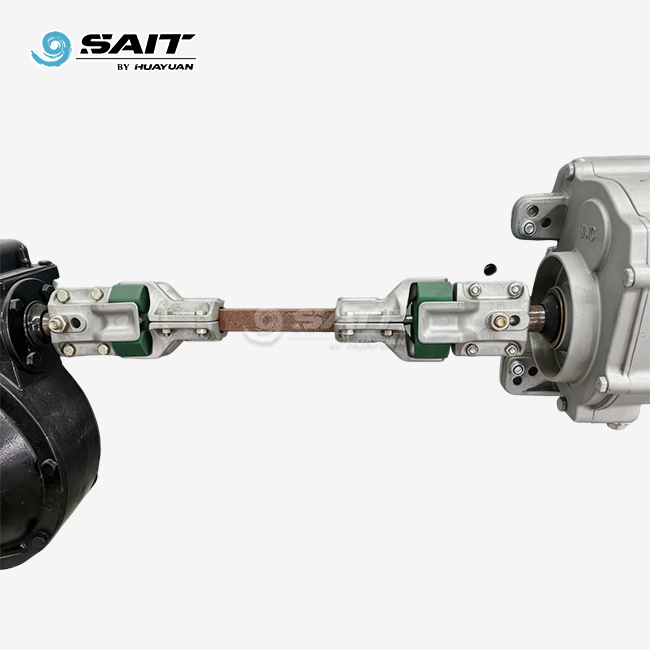
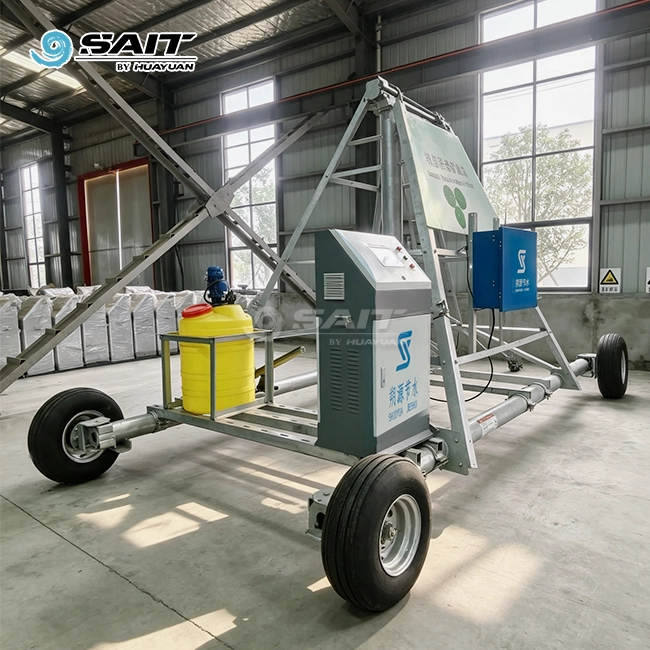
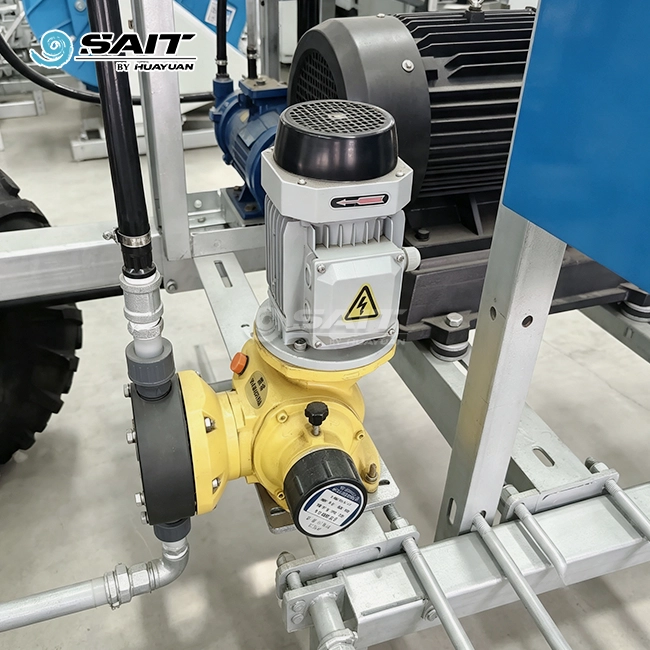
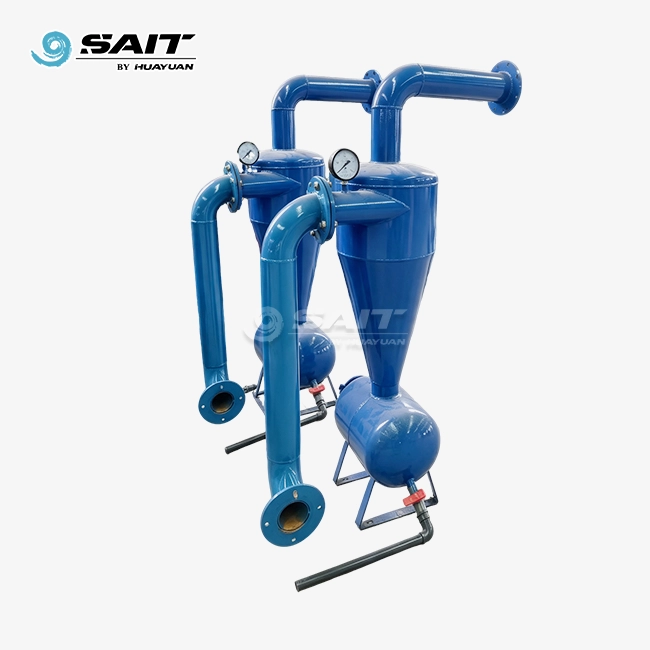
For the jp irrigator, to put the new O-ring on, make sure it fits completely in its groove without twisting. All NPT threaded joints should have at least three wraps of PTFE tape put on them in the direction of thread contact. Put it back together in the opposite order, tightening each fitting before applying the final torque. After putting the system back together, slowly raise the water flow and check each joint while the system is running. Before the unit goes back to the field, a dry rag pressed against each connection point shows any seepage, no matter how small.
English
How to repair a leaking hose reel?
share:
October 17,2026
A leaking hose reel wastes water, reduces system pressure, and shortens equipment life. To repair one, first shut off the water supply and depressurize the line. Inspect the swivel joint, O-rings, inlet fitting, and hose connections for visible wear or cracks. Replace damaged seals or O-rings with compatible parts, retighten loose fittings to the manufacturer's torque spec, and test under pressure before returning to service. Catching a small hose reel leak early can prevent costly downtime—especially on farms or turf facilities running multiple irrigation cycles daily.
Understanding Hose Reel Leaks: Defining the Problem
What Does a Leak Actually Cost You?
A single leak on a farm irrigation reel that isn't fixed can waste hundreds of gallons of water every hour it's in use. That directly leads to higher pump energy bills, less even application, and lower crop yield on medium-sized farms with 50–200 hectares of land. According to research from the USDA, up to 30% of the water that is lost on farms every year is wasted because of inefficient watering systems.
Common Warning Signs to Watch For
If you know what to look for, it's easy to spot a leak early on. If you see water pooling under the drum, hear a weak hissing sound near the swivel joint, or see the nozzle pressure drop in the middle of the cycle, these are all signs that something is wrong. When golf courses or sports fields water their grass, uneven green spots are often a sign of pressure loss from a slow reel leak.
Why B2B Operations Face Higher Risk
Purchasing teams that are in charge of groups of irrigation reels that are used at various places are at even greater risk. Agricultural service companies can lose their contracts if they miss a watering window, cause crop stress, or have a seal fail on one unit. Active identification protocols protect both the money spent on the equipment and the schedule for operations.
Diagnosing the Causes of Hose Reel Leaks
Worn Seals, O-Rings, and Gaskets
The most common parts of any hose reel system that break are the seals and O-rings. Over time, rubber materials get hard and crack when they are constantly under- and over-pressured. The swivel joint seal in turbine-driven irrigation reels is under a lot of stress because water keeps flowing through it while the reel is being pulled back. Check these parts either at the start of each season or after 500 hours of use, whichever comes first.
Faulty Fittings and Connection Points
Any portable irrigation unit will have threaded fittings come loose during transport in the field. Fittings made of brass or stainless steel on PE pipe connections are more likely to develop tiny holes when the pipe expands and contracts due to changes in temperature. Most of these leaks can be stopped before they start by using PTFE thread tape and tightening joints to the right torque during installation.
Material Degradation and Corrosion
When steel reel frames aren't properly protected on the outside, they rust at the drum flange and create leak paths that are hard to stop without fixing the structure. If PE pipe is bent at an acute angle over and over, it can form stress cracks near where the drum enters. Choosing reels with hot-dip galvanizing frames (80μm or more) and new PE pipe with anti-aging chemicals greatly lowers leaks caused by wear and tear over the equipment's lifetime.
Step-by-Step Guide to Repairing a Leaking Hose Reel
Preparation and Safety
Close the main water valve and open the spray tip to fully depressurize the line before you touch any part. Set out your tools (adjustable wrench, pipe wrench, O-ring pick, PTFE tape, and new seal kit) before you start taking things apart. The main reason people get hurt in the workshop while maintaining reels is working with line pressure that hasn't been released yet.
Disassembly and Component Inspection
Carefully take off the swivel joint by turning the nut that holds it in place counterclockwise. Take the O-ring out of its hole and look at it in good lighting. If the O-ring is broken, flattened, or compressed, it needs to be changed. It is important to check the threads on the inlet elbow joint for damage, and the drum bearing for sideways play. Write down which parts you took off and in what order—a lot of leaks that happen after repairs are caused by mistakes in putting them back together.
Replacing Seals, Reassembling, and Testing
Best Practices for Hose Reel Maintenance and Preventing Future Leaks
Building a Seasonal Inspection Checklist
The best way to make reels last longer is to follow a written cleaning schedule. Every season, the repair team should check these major things:
- Swivel joint and inlet seals: Inspect for hardening, cracking, or compression set; replace annually regardless of visible condition.
- PE pipe surface: Look for abrasion marks, kinking near the drum entry, or discoloration from UV exposure; note any section showing whitening or micro-cracks.
- Threaded fittings: Check for mineral deposit buildup and retighten to torque spec after winter storage.
- Drum frame and bearing: Verify no lateral movement in the axle bearing and that galvanized surfaces show no rust progression beyond superficial surface oxidation.
By going through this list before each season, you can find wear and tear before it becomes a field failure. Teams that do these checks regularly report significantly lower emergency repair costs and fewer shutdowns in the middle of the season.
Material Selection and Installation Standards
It's not a luxury to specify tools with self-produced fresh PE pipe; it has a direct effect on the number of leaks. Virgin PE pipe is much better at resisting stress cracking and UV degradation than recycled-content pipe, which can have areas of uneven density that become crack-starting points when the pressure changes. Make sure the drum axle sits level when installing a reel on uneven ground so the hose layers evenly and doesn't put stress on the drum flange seal from the side.
Operator Training and Safe Handling
A lot of leaks happen because of rough handling while moving between fields. Abrasion damage shortens the life of the pipe. This can be avoided by teaching operators not to drag the PE pipe over sharp field debris and to always fully retract the pipe before moving the unit. A quick five-minute walk-around before the operation costs nothing and finds problems with the nozzle coupling, outlet fitting, and pipe surface before they affect crop coverage.
Selecting Quality Hose Reels and Repair Parts: A Buyer's Guide for B2B Clients
What Separates a Durable Reel from a Costly One?
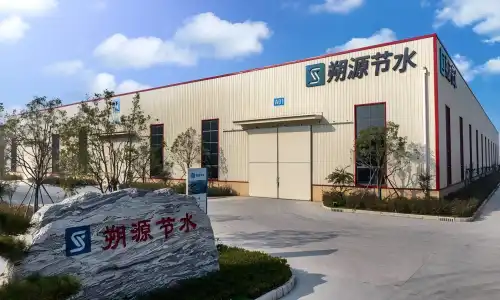
When looking at hose reel suppliers, the way the frame is built and the pipes that are used are more important than the initial price. The total cost of ownership will be lower for a reel with an 80εm hot-dip galvanizing frame, a precision 4-speed gearbox, and new PE pipe that has a 15-year service rating than for a cheaper unit that needs a new seal every two seasons. Before making large orders, procurement teams should ask for third-party test certificates, such as CE or ISO 9001, and be clear about the PE pipe wall thickness and material grade.
Evaluating Turbine-Drive Models for Agricultural Applications
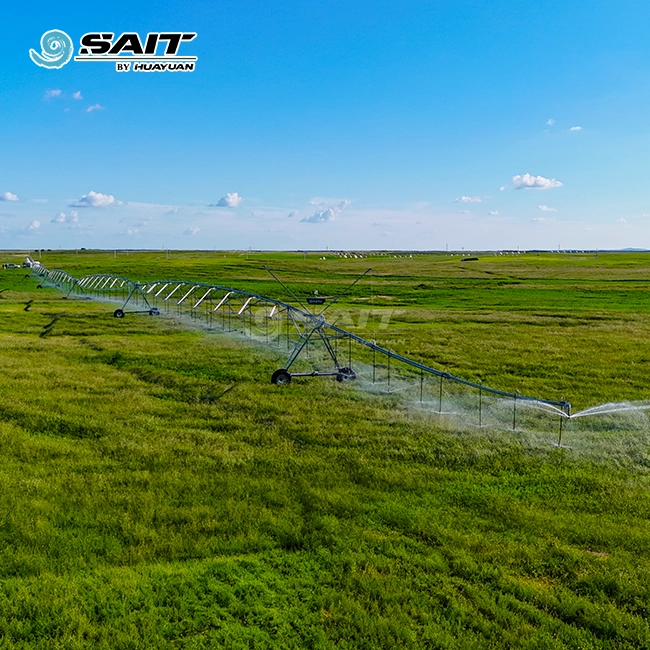
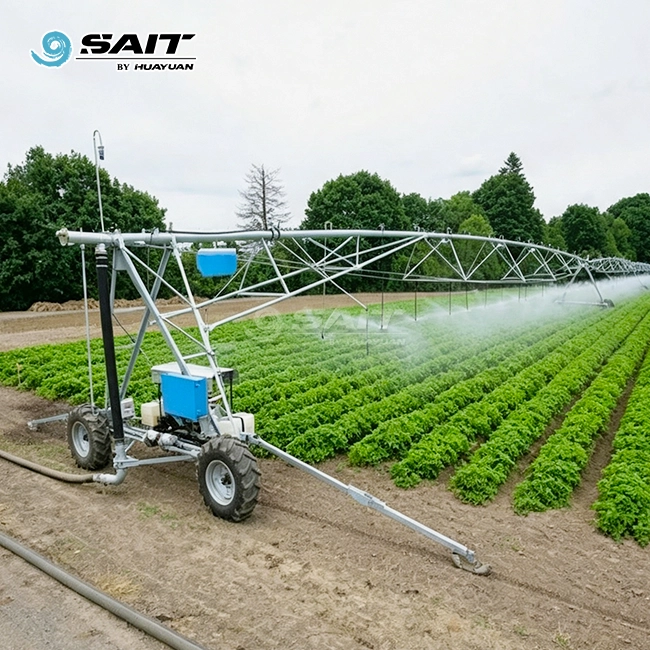
Turbine-driven reels are the best option for farms and workers who work in places where grid power isn't always available. The HUAYUAN SAIT JP-series traveler irrigators only use water pressure to pull back. Each pass covers 300–500 meters of useful irrigation length, and the machines can move at speeds of 8–80 m/h. One unit can water more than 1.33 hectares per cycle, uses more than 50% less water than flood irrigation, and can spray up to 78 meters wide, depending on the model. These numbers come straight from confirmed product specs for the JP-75/300 to JP-90/400 model line.
Spare Parts Availability and Long-Term Support
Rental companies and people who buy in bulk should make sure that extra seal kits, O-rings, and gearbox parts are in stock and can be linked to individual unit serial numbers. It's hard to keep track of supplies when equipment comes without a parts catalog and cross-reference chart. When you work directly with a hose reel maker that uses a standard OEM part numbering system, you avoid supply chain breaks that cause equipment to be down for longer periods of time.
Conclusion
Fixing a hose reel that is leaking is easy if you know where the problems are coming from and how to fix them in a logical way. The three main reasons for this are worn seals, loose joints, and damaged PE pipe. All three can be avoided by inspecting regularly and choosing high-quality materials. The real goal for procurement workers who are in charge of irrigation trucks is not just fixing leaks, but also coming up with a way to buy things and do upkeep that makes them happen less often. Starting with better equipment, keeping a seasonal checklist, and training field operators all lead to a service cycle that lasts longer and a lower total cost per irrigated hectare.
FAQ
Q1: How do I know if my hose reel needs repair or full replacement?
Repair makes economic sense when the leak originates from a seal, O-ring, or fitting—components that cost little and install in under an hour. Full replacement becomes the better choice when the drum frame shows structural corrosion, the PE pipe has multiple stress cracks along its length, or the gearbox delivers inconsistent retraction speed. A useful rule: if repair parts cost more than 40% of a new unit's price, replacement delivers better long-term value.
Q2: What is the most common cause of PE pipe failure on irrigation reels?
Stress cracking near the drum entry point is the leading failure mode, typically caused by an undersized bending radius during retraction or the use of recycled-content pipe with inconsistent density. Virgin PE pipe with anti-aging additives and a wall thickness exceeding standard grade resists this failure mode significantly longer.
Q3: Can I repair a hose reel swivel joint without specialist tools?
Yes. Most swivel joint seal replacements require only an adjustable wrench, an O-ring pick, and the correct replacement seal kit for your model. The key is depressurizing the system fully before disassembly and seating the new O-ring without twisting it during installation.
Q4: How often should irrigation reel seals be replaced?
Industry practice recommends annual seal inspection and replacement every one to two seasons depending on operating hours. Units running more than 800 hours per season should have swivel seals replaced annually as a precaution regardless of visible condition.
Partner with HUAYUAN SAIT for Dependable Hose Reel Solutions
Every hose reel that HUAYUAN SAIT makes is based on 20 years of experience making things. Our JP-series traveler irrigators are shipped within a week and come with a full guarantee for one year, a low-cost servicing program for three years, and spare parts that are supplied at factory cost for life. We can help you with your purchase from the specifications to the service after the sale, whether you need a standard turbine model or a special OEM setup. To get specs and bulk pricing, email our technical team at kevin@showyirrigation.com.
References
1. USDA Agricultural Research Service. Irrigation Water Use Efficiency in U.S. Agriculture. 2019.
2. Food and Agriculture Organization of the United Nations. Crop Evapotranspiration: Guidelines for Computing Crop Water Requirements. FAO Irrigation and Drainage Paper No. 56. 1998.
3. American Society of Agricultural and Biological Engineers. ASABE Standards: Design and Installation of Microirrigation Systems. 2017.
4. Postel, S., Polak, P., Gonzales, F., & Keller, J. Drip Irrigation for Small Farmers: A New Initiative to Alleviate Hunger and Poverty. Water International. 2001.
5. Bucks, D.A., & Davis, S. Historical Development in Irrigation. American Society of Agronomy. 1986.
6. ISO 9001:2015. Quality Management Systems — Requirements. International Organization for Standardization. 2015.
INQUIRY FORM
Get a tailored irrigation solution for your project — our engineering team is ready to support you from design to installation.