How to maintain a guidance trench during the irrigation season?
Maintaining a guidance trench properly during the irrigation season is the single most effective way to protect your linear move system's straight-line accuracy. A guidance trench—the shallow furrow dug along the field's travel path—keeps drive wheels aligned as the machine moves across the field. Without regular attention, sediment, crop residue, and soil slippage gradually degrade trench geometry, causing lateral drift that reduces coverage and increases wear on every drive unit. Scheduling weekly inspections, clearing debris after each irrigation cycle, and reinforcing trench walls before peak-season runs will preserve system accuracy and field utilization above 98%.
Understanding the Importance of Maintaining a Guidance Trench in Irrigation


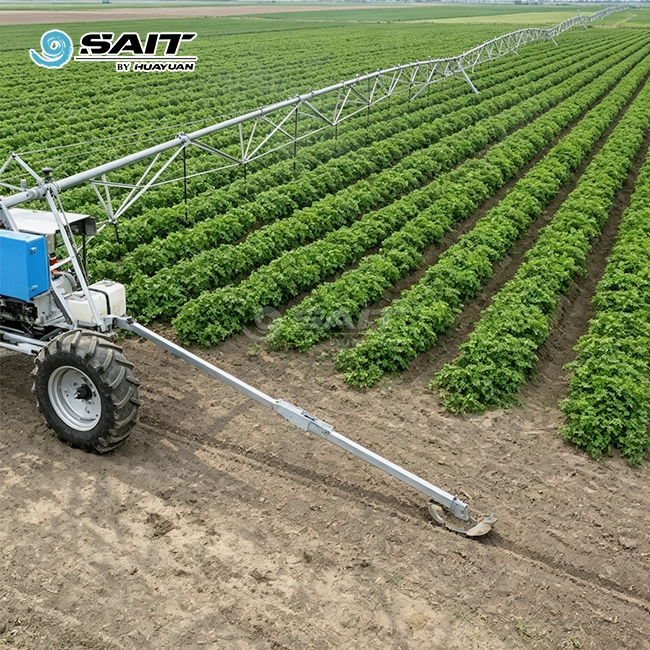
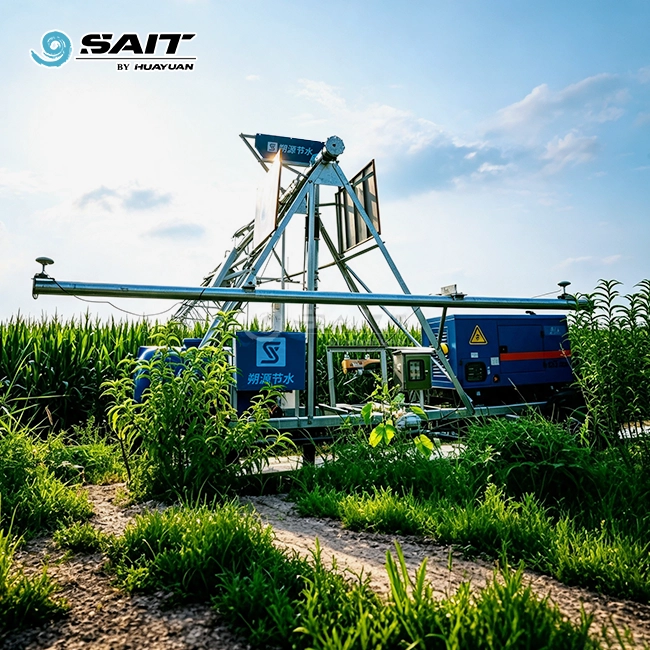
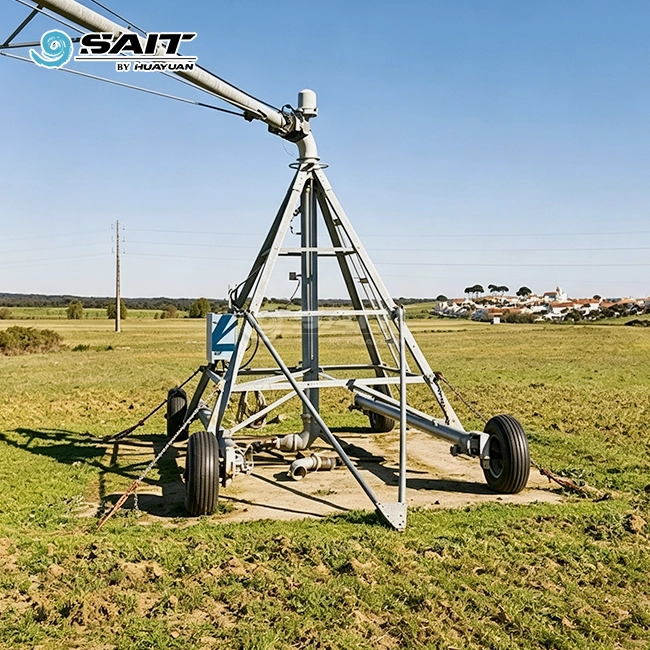
A guidance trench is a furrow that is carefully graded and dug along the path that the machine will follow. As part of a linear move irrigation system, it serves as a mechanical guideline that moves the drive units in a straight line across from the side structure. This shape is what makes it possible for a properly set up linear system to have field utilization rates higher than 98%, which a center pivot on a rectangular plot can't do.
What Goes Wrong Without Maintenance
The most common way something fails is when sediment builds up. Fine particles move into the trench base after just one pass of irrigation. This raises the effective floor height over a number of cycles, which makes the guide wheels ride high and lose touch with the wall. Because of this, there is horizontal movement, which gets worse with each pass.
How Erosion Affects System Performance
Soils that are sandy or heavy with silt wear down trench walls faster, especially when there is a lot of water flowing through them. When walls fall down, the turning reference gets smaller, which makes the guidance sensor or wheel respond to the wrong geometry. On HUAYUAN SAIT systems with BDS/GPS dual-mode satellite guidance, software can help some, but the most accurate thing that can be done is still keeping the trenches solid.
Business Impact of Neglected Trench Channels
Bad trench design directly leads to irrigation strips being skipped, uneven water supply to crops, and faster wear on machinery. Proper alignment trench preparation are essential for maintaining accurate field positioning. When operators run a machine that is up to 973 meters long over a 3,000-meter travel distance, even a 0.5° heading error adds up to meters of positional drift by the far end of the field, which is bad for sugar beet and potato growers.
Key Principles and Best Practices for Maintaining Guidance Trenches
Regular trench upkeep is not hard to do, but you need to stick to a plan. By doing the right things at the right times, you can avoid small problems that turn into costly fixes in the middle of the season.
Routine Inspection Checklist
Walk through the trench every other time the water comes on. There are three things you should look out for: a sediment depth of more than 25 mm in the floor, wall cracks wider than 10 mm, and water pools on the surface that haven't drained in 24 hours. Keep a simple log of what you find so you can see how things are getting worse over the course of the season.
Debris Clearing and Wall Reinforcement
Use a narrow-blade trenching tool or a tractor-mounted trench cleaner to get rid of the sediment that has been laid down after each irrigation pass. If the soil is mostly clay, lightly press down on the trench walls with a hand tamper to keep them from sloughing. If the ground is sandy, you might want to line the top 150 mm of each wall with compacted gravel or geotextile fabric to keep its shape all season.
Water Flow and Drainage Management
Standing water in the ditch makes the base weaker and speeds up the wall's failure. To help the soil drain itself, give the trench floor a small lengthwise slope, usually between 0.1% and 0.3%. On fields that get their water from a canal, check the ditch section closest to the canal intake once a week. This is where the most sand is dumped during backflow events.
These habits seem simple on paper, but they pay off over the course of a whole season. Operators who follow a written maintenance cycle usually report lower costs for end-of-season drive unit service and fewer alignment changes in the middle of the season.
Advanced Guidance Trench Maintenance Using Technology
What can be done with trench-guided linear irrigation has changed because of technology. HUAYUAN SAIT's lateral move platforms use BeiDou navigation and IoT monitoring to give workers real-time feedback. This cuts down on the number of human ditch checks that need to be done but doesn't get rid of the need.
Satellite Guidance as a Trench Condition Indicator
The HUAYUAN SAIT linear machines have a BDS/GPS dual-mode satellite guidance system that records heading deviation data every time they go by. When deviation values slowly rise over a series of runs, it means that the actual condition of the guidance trench is getting worse before the user can see it. This early warning based on data gives maintenance teams two to three days to fix the shape of the trench before the steering accuracy drops below what is acceptable.
Cable Guidance Calibration During the Season
During active watering, cable guiding systems need to have their tension checked every two to three weeks. The functional sensor level changes when the cable stretches in the field. To recalibrate, tighten the wire to the manufacturer's recommended stress level and do a short test run. HUAYUAN SAIT's remote control system lets operators see how the drive unit aligns itself in real time during calibration runs. This cuts down on the time needed for skilled technicians.
Comparing Furrow, Cable, and GNSS Guidance Modes
When the conditions in the trench change, each guidance method reacts in a different way. When it comes to trench quality, furrow guidance is the most sensitive. It works best when the geometry of the furrow is kept the same. Cable guiding can handle some changes in the trench, but it needs to be recalibrated every so often. The GNSS-based guidance depends the least on the condition of the trench. It works best for large-scale or remote operations where trench maintenance can't be done every day, like in the Middle East to clear out deserts or Kazakhstan's huge state farm fields.
Comparing Manual Maintenance Versus Technology-Driven Guidance Systems
Smaller businesses still do most of their trench upkeep by hand, using shovels, hand tools, and visual inspection. A two-person crew can walk the trench in less than an hour on fields that are less than 50 hectares. On the other hand, manual methods can't keep up with activities where a single linear machine can water 240 hectares.
Where Manual Methods Fall Short
The main trouble is that people aren't consistent. Two different workers will look at the wall of a trench in different ways, use different levels of compaction pressure, and clear sediment to different depths. Because of this, the shape of the trench changes even when maintenance is supposed to be happening. When the quality of the trench changes in one part of a 973-meter machine, it causes alignment problems all the way down the other side.
Technology-Driven Systems: Measurable Accuracy Gains
HUAYUAN SAIT's platform has IoT sensor feedback, BDS/GPS dual-mode positioning, and a remote control system that constantly checks the left-right drive unit speed differential. This mix stops alignment drift within one machine length of where it started. According to a study on precision watering, automated guiding correction cuts down on horizontal positional error by 60–75% compared to steering by hand alone.
Selecting the Right Guidance Approach for Your Operation
When paired with careful ditch maintenance, furrow guiding is a cost-effective way to work with rectangular fields that are wider than twice as long. Cable guidance works well for operations where the terrain changes slightly. It is best to use GNSS direction for big projects, fields with rough edges, or places where technicians can't easily get to. The HUAYUAN SAIT modular platform can work in all three modes from a single machine structure. This means that workers can change the guidance method based on the situations in the field without having to replace the core equipment.
Installation and Long-Term Care of Guidance Trench Systems

Installing things correctly at the beginning of the season makes upkeep a lot easier overall. If the first alignment trench isn't graded correctly, it needs to be fixed every week. If it's done right, it can last for 60–90 days with only regular checks.
Step-by-Step Installation Guidelines
Do a topographic survey first to make sure you know the field's longitudinal slope. Using a laser-leveled trenching machine, level the trench to the depth recommended by the manufacturer. For furrow guidance systems, this is usually between 200 and 350 mm. Before you run the machine for the first time, check the wall's verticality and the base's width every 50 meters.
Scheduling Maintenance and System Updates
Before the season starts, make a maintenance schedule: every three days, check for damage; every seven days, remove sediment; and every 14 days on sandy soils and every 21 days on clay soils, crush the walls. For HUAYUAN SAIT systems, set up a remote diagnostic check through the SAIT platform at the start and middle of the season to make sure the guidance sensor calibration and drive unit response parameters are correct.
Procurement Considerations: Warranty, Parts, and After-Sales Support
HUAYUAN SAIT provides a full warranty for one year, low-cost maintenance and part replacement for three years, and spare parts at factory cost for life. The company has been making things for 20 years and has more than 130 patents, including 35 invention patents and 15 international patents. These patents support the long-term standardization of parts. When procurement managers look at the total cost of ownership, these terms make it much less likely that parts won't be available in the middle of the season, which means less downtime.
Conclusion
During the watering season, you must do trench upkeep. This is the only way to be sure that your linear move system stays accurate and gives you the field utilization rate you paid for. The most important parts of any maintenance program are the weekly checks, regular silt removal, and wall strengthening of the guidance trench. Technology layers like BDS/GPS guidance, IoT tracking, and remote diagnosis make servicing more frequent and help find problems early. Because HUAYUAN SAIT has been making products for 20 years and has a full after-sales program, their modular linear irrigation platform is a technically sound and commercially viable choice for watering rectangular fields of any size.
FAQ
Q1: How often should I inspect the guidance trench during active irrigation?
During times of heavy irrigation, check the trench every two to three days. If you have sandy or silty soils, you should check them every day during heavy water application cycles, because wall erosion speeds up when there is a lot of water flowing through them.
Q2: What are the signs that a guidance trench needs immediate attention?
Keep an eye out for these signs: walls that are sinking inward, more than 25 mm of silt building up on the trench floor, machine heading deviation getting worse between passes, or strange drive unit speed difference alerts on the control panel. Any one of these signs means that preventative maintenance is past.
Q3: Can guidance systems function in different soil types?
Yes, the HUAYUAN SAIT can work in all kinds of soil conditions thanks to its three guidance modes: furrow, cable, and BDS/GPS satellite. If the soil is sandy, cable or GNSS guidance works best. If the soil is clay-based, furrow guidance works well as long as it is maintained correctly.
Q4: How does satellite guidance reduce trench maintenance workload?
BDS/GPS dual-mode guidance corrects for small changes in trench geometry in real time by changing the speed of the drive unit. This doesn't get rid of the need for trench maintenance, but it does make the time between maintenance visits longer and lowers the level of accuracy needed for each fix cycle.
Ready to Source a Guidance Trench Linear Irrigation System? Contact HUAYUAN SAIT
HUAYUAN SAIT has been making direct-factory guidance trench irrigation systems for 20 years and has more than 130 patents to its name. Our lateral move systems can move crops across rectangular fields of up to 240 hectares per unit. They can use furrow, cable, or BDS/GPS dual-mode guiding, and they can ship from our Suzhou facility within a week. We do OEM and ODM work, install things on-site, and offer full after-sales service. To get a quote for your project, email our team at kevin@showyirrigation.com.
References
1. Irrigation Science – Shock, C. C., & Welch, T. K. (2013). Irrigation Monitoring Using Soil Water Tension. Oregon State University Extension Service.
2. Agricultural Water Management – Playán, E., & Mateos, L. (2006). Modernization and optimization of irrigation systems to increase water productivity. Agricultural Water Management, 80(1–3), 100–116.
3. Transactions of the ASABE – Evans, R. G., & King, B. A. (2012). Site-specific sprinkler irrigation in a water-limited future. Transactions of the ASABE, 55(2), 493–504.
4. Biosystems Engineering – O'Shaughnessy, S. A., Evett, S. R., & Colaizzi, P. D. (2015). Dynamic prescription maps for site-specific variable rate irrigation of cotton. Biosystems Engineering, 135, 1–12.
5. Journal of Irrigation and Drainage Engineering – Keller, J., & Bliesner, R. D. (1990). Sprinkle and Trickle Irrigation. Van Nostrand Reinhold, New York.
6. FAO Irrigation and Drainage Paper No. 45 – Smith, M., Allen, R., & Pereira, L. (1998). Revised FAO Methodology for Crop Water Requirements. Food and Agriculture Organization of the United Nations.
Get a tailored irrigation solution for your project — our engineering team is ready to support you from design to installation.