How long can a center pivot irrigation system be
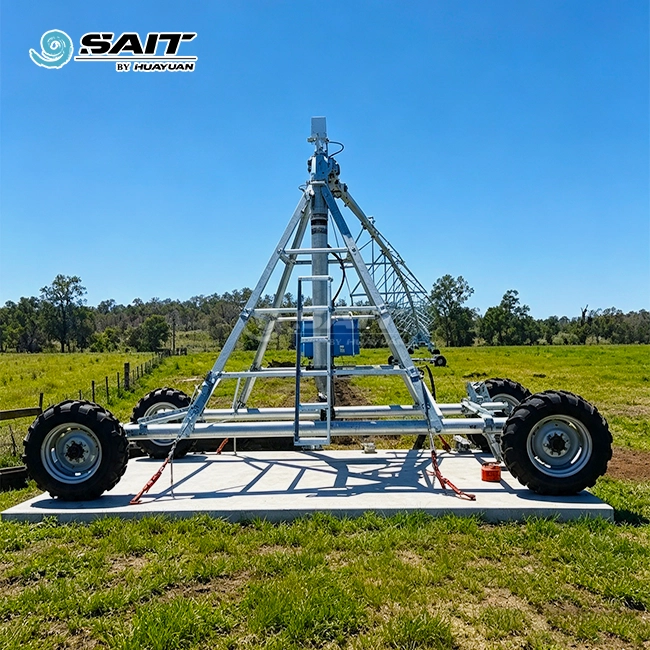
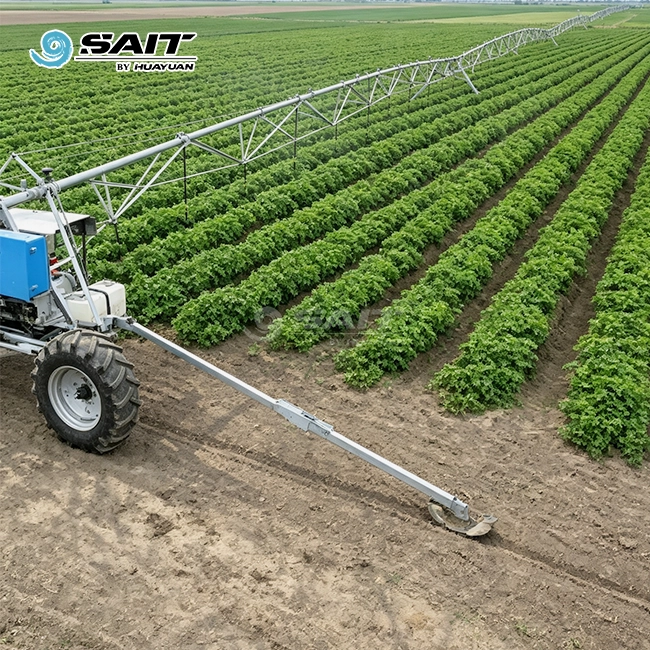
A center pivot irrigation system typically delivers a service life of 15 to 25+ years when properly maintained. The actual duration depends on galvanization quality, component grade, and operational frequency. Pivot irrigation technology stands out from conventional methods because its mechanized, rotating structure distributes mechanical stress evenly across spans, reducing localized wear. Systems built with hot-dip galvanized steel and precision-engineered drivetrains routinely exceed the 20-year threshold that procurement teams use as a baseline for capital planning in large-scale commercial farming.
Understanding the Typical Lifespan of Center Pivot Irrigation Systems


According to information released by the American Society of Agricultural and Biological Engineers (ASABE), center pivot systems that are well taken care of can work for twenty to twenty-five years. How quickly structure and mechanical parts break down depends on things like crop type, soil salinity, humidity cycles, and the number of hours the machine runs each year.
How Climate and Crop Type Influence Longevity
Arid places speed up galvanic rusting on steel that hasn't been painted, and muggy tropical places help microbes grow inside pipeline joints. When high-clearance systems are used to water tall crops like corn or sugar cane, the towers move more hours each season than when systems are used on shorter row crops, which makes the drivetrains wear out faster. So, choosing the right span heights and wheel configurations for the crop profile is one of the most important decisions that affect how long the system will last.
Comparing Pivot Systems with Drip and Furrow Irrigation
Drip irrigation lines usually need to be replaced every 8 to 12 years because the emitters get clogged up and the UV light breaks down the lateral tubing. Furrow and flood systems lose their effectiveness faster than pivot systems do because the dirt gets compacted and the channels get worn away. Poniter-type irrigation systems boast a longer service life and more stable performance compared to these traditional irrigation methods. When you look at the total cost of ownership, center pivot systems have a higher initial capital spending but a lower yearly cost per hectare over a 20-year lifecycle. This is a figure that EPC project firms and government procurement offices find very useful.
Key Components Affecting the System's Operational Duration
The weakest part of a mechanical system ages at the fastest rate. There are three main parts of a center pivot unit that determine how long it will last: the structure, the engine, and the water supply package.
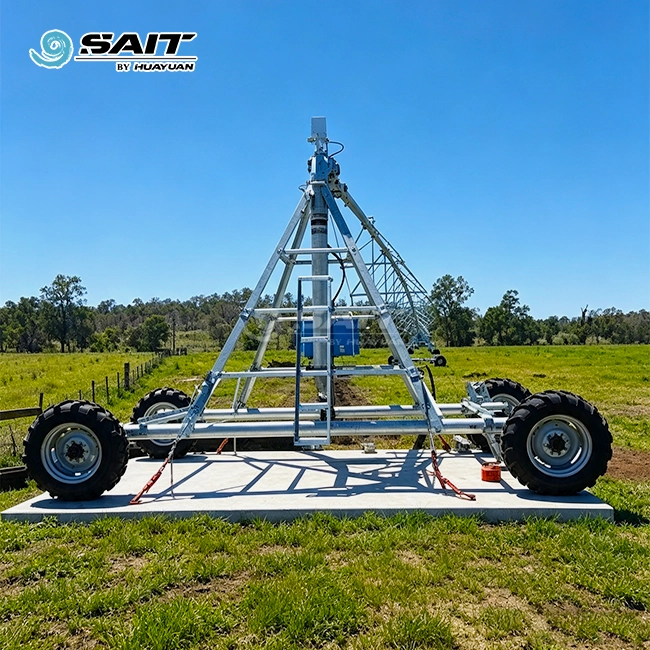
The system's structural stability rests on the thickness of the galvanization and the shape of the trusses. HUAYUAN SAIT systems use hot-dip galvanized steel with a zinc coating of at least 80μm. This is a standard that makes parts much more resistant to salt spray than regular electro-galvanized parts. The designed truss rod and angle framework, which comes in 20mm and 22mm truss rod sizes, spreads the load evenly across each span. This stops the lateral pipe bowing that shortens the life of structures.
Drivetrain and Gearbox Wear Cycles
When used with wheel gearboxes that have ratios of 50:1 or 52:1, industrial-grade gearmotors with ratings of 25.5:1 (1.5 hp) or 40:1 (0.75 hp) are designed to last 10,000 hours or more if the oil is changed every 1,000 hours. Armored UL-listed cable protects electrical continuity against rodent damage and moisture ingress, two failure modes that cause a lot of unplanned downtime in older systems.
Water Delivery Components and Replacement Cycles
Nozzles and pressure regulators are the parts of any sprinkler-based system that need to be replaced the most. With customizable outlet spacing options between 1.9m and 2.9m, agronomists can set up the delivery package to match the rate of soil infiltration. This keeps over-application to a minimum, which speeds up emitter wear. The SAIT precision irrigation system changes based on data from infiltration. This cuts down on both water waste and nozzle wear during the operating season.
Maintenance Practices to Extend the Life of Your Center Pivot Irrigation System
The most powerful thing a user can do to extend the life of a pivot irrigation system past 20 years is to do preventative maintenance. A strict inspection schedule that works with the growing and harvesting cycles of the seasons finds problems early, before they get worse and cause structural or electrical failures.
Here are the most important upkeep tasks that expert irrigation managers do every season:
- Pre-season alignment check: Verify micro-switch or GPS tower alignment across all spans to prevent structural stress and pipeline bowing. Misaligned towers generate abnormal lateral loads that fatigue truss welds prematurely.
- Nozzle and seal inspection: Clean nozzle orifices, replace worn seals at pipe joints, and test pressure regulators against manufacturer specifications. Degraded seals allow soil particles into the pipeline, accelerating internal corrosion and emitter wear.
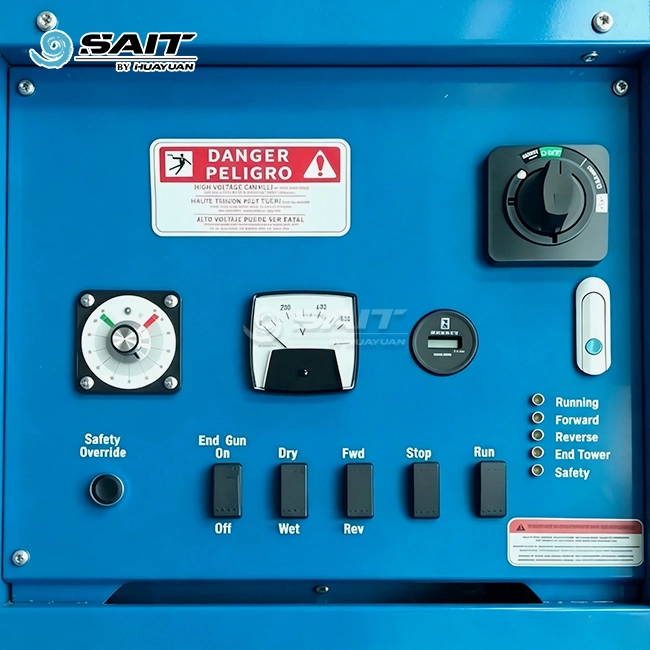
- Electrical diagnostics: Inspect armored cable runs, junction boxes, and motor terminals for moisture infiltration. Lightning arrestors and phase-monitoring relays should be tested before the first seasonal run to protect against rural grid surges.
- Gearbox oil change: Drain and refill all gearbox housings every 1,000 operating hours or annually, whichever comes sooner. Fresh lubricant removes metallic particulates that act as abrasives against bearing surfaces.
If these maintenance tasks are done regularly, they can extend a system's useful life by 5 to 8 years. Working with a company like HUAYUAN SAIT, which gives replacement parts for life at the factory cost price, takes away the uncertainty that comes with buying parts, which can cause systems to be shut down early if certain parts become unavailable.
Comparing Center Pivot Irrigation Lifespan with Other Irrigation Methods
When buying, experts compare the total costs of different irrigation technologies; center pivot systems always show that they last longer per irrigated hectare. With a maximum operating radius of 800 meters, a single HUAYUAN SAIT unit can water up to 200 hectares per irrigation cycle. No other drip or furrow system can match this level of coverage density for the same cost of labor.
Flood and trench irrigation break down the structure of the soil by compacting it and letting water wash it away. This shortens the useful life of both the field and the tools. Drip systems are very good at using water efficiently, but they need a lot of care to make sure they filter well, and they can be damaged by roots and rodents in the field. Automated center pivot systems, on the other hand, cut down on human mistakes through remote scheduling and zone-based control. They also protect mechanical parts from overrun cycles that wear them out.
Poniter-type irrigation leverages Variable Rate Irrigation (VRI) technology that can be measured against big data soil models by the SAIT Smart Control System. This achieves irrigation uniformity above 90%, which is a level of performance that human and semi-automated systems rarely reach over the course of a growth season. Adding BeiDou navigation lowers the number of corners that are missed by irrigation to less than 5%. This closes one of the recurring efficiency gaps in circle irrigation coverage.

Maximizing Your Investment: Cost-Efficiency Over the System's Lifetime
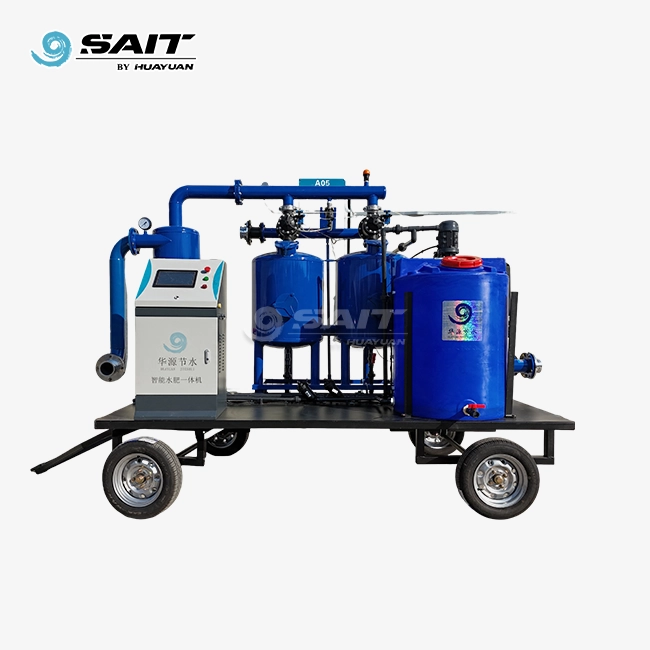
A system's lifespan of 20 years changes how the capital cost is calculated. Over the course of twenty years, the yearly cost per plot of a high-quality pivot system is about the same as technologies that cost less but need to be replaced more often. HUAYUAN SAIT systems use over 70% less water than traditional flood irrigation. The ability to combine water and fertilizer (fertigation) further lowers input costs by providing nutrients directly to the root zone at exact times.
Pipeline sizes of 5" (127mm), 6-5/8" (168mm), and 8-5/8" (219mm) can be used for projects of all sizes, from small trial plots for small farmers to state farms with more than 1,000 hectares of land. The span lengths range from 37.5m to 66.5m and the profile heights range from 2.1m to 4.5m. This gives engineers more options than standard catalog suppliers can offer. HUAYUAN SAIT offers a full OEM/ODM service that buyers can use under NDA protection. Pilot orders from a single unit are accepted for buyers who need private-label branding, custom RAL paint colors, or SCADA integration.
After-sales service includes a full guarantee for one year, low-cost upkeep and part replacement for three years, and a lifelong supply of spare parts at factory cost. This significantly lowers the total cost of ownership compared to purchasing replacement parts through third-party channels.
Conclusion
When built to the right engineering and material standards, a center pivot irrigation system usually lasts 20 to 25 years of useful service. The main things that determine how long something lasts are the quality of the galvanization, how well the drivetrain is maintained, and how easy it is to get genuine replacement parts throughout the system's life. The 20 years of experience in manufacturing, 80¼m hot-dip galvanized steel construction, and SAIT Smart Control System make HUAYUAN SAIT a technically sound alternative for procurement teams that want to compare it to well-known brands. Choosing the right system during the procurement stage is the most important choice for any business that sees irrigation infrastructure as a long-term capital asset.
FAQ
Q1: How often should I schedule full system inspections?
At the beginning and end of each watering season, there should be a full check. If a system runs more than 1,000 hours a year, it should have its nozzles and electrical lines checked in the middle of the season. For the engine to last as long as possible, the oil must be changed in the gearbox every 1,000 hours of use.
Q2: Can older components be upgraded to extend system life?
Yes. It is possible to add 5 to 10 years to the life of a structurally sound system by replacing worn nozzle packages, upgrading to armored UL-listed cable, and adding modern automation modules to old control panels. The engineering team at HUAYUAN SAIT looks at current setups and suggests ways to improve them that are best for each system.
Q3: What are the clearest indicators that replacement is necessary?
Tower misalignment that comes back after being recalibrated, truss welds that show active rust through the zinc layer, and gearbox failures that happen again within one season of overhaul are all reliable signs that the structure's useful life has ended. Dropping 80% in water distribution uniformity after replacing nozzles is another sign of irreversible pipeline damage.
Q4: Does span configuration affect long-term durability?
Choosing a span length between 37.5m and 66.5m changes how the weight is distributed on each truss unit. The diameter (20mm or 22mm) of the truss rod and the length of the overhang are important technical factors because longer spans have higher bending moments. Choosing the right span for the field radius stops the buildup of fatigue that shortens the life of structures.
Partner with HUAYUAN SAIT — Trusted Pivot Irrigation Manufacturer for Long-Lasting Performance
HUAYUAN SAIT has been making products for 20 years, has more than 130 patents, and uses smart control technology that is built into BeiDou to make pivot irrigation systems that are built to last for 20 years or more in the field. Our hot-dip galvanized 80µm structures, ability to do OEM/ODM work, and commitment to lifelong spare parts give procurement teams a measurable total cost of ownership advantage. To get a price on configuration right away, email our expert team at kevin@showyirrigation.com.
References
1. American Society of Agricultural and Biological Engineers (ASABE). ASAE S366: Continuous-Move Irrigation Systems — Design and Installation Standards. ASABE, 2017.
2. Evans, Robert G., and Edward J. Sadler. "Methods and Technologies to Improve Efficiency of Water Use." Water Resources Research, 2008.
3. Kranz, William L., et al. "Center Pivot Irrigation Handbook." University of Nebraska–Lincoln Extension, 2012.
4. Camp, C.R., E.J. Sadler, and R.E. Yoder (eds.). Evapotranspiration and Irrigation Scheduling. American Society of Agricultural Engineers, 1996.
5. Hanson, Blaine, Larry Schwankl, and Allan Fulton. Scheduling Irrigations: When and How Much Water to Apply. University of California Division of Agriculture and Natural Resources, Publication 3396, 1999.
6. Food and Agriculture Organization of the United Nations (FAO). Crop Evapotranspiration — Guidelines for Computing Crop Water Requirements. FAO Irrigation and Drainage Paper 56, 1998.
Get a tailored irrigation solution for your project — our engineering team is ready to support you from design to installation.