Choosing the Right Linear Irrigation Machine
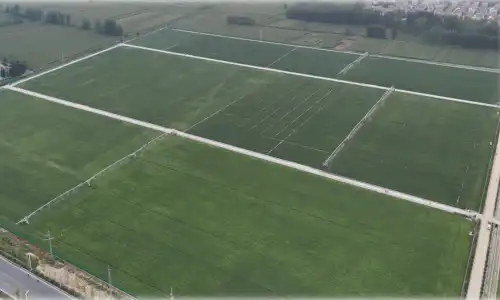
Choosing the right Linear Travelling Irrigator machine is one of the most consequential decisions a large-scale agricultural operation can make. A lateral move irrigation system travels in a straight line across rectangular fields, achieving field utilization rates exceeding 98% — a figure that center pivot systems structurally cannot match due to unirrigated corners. Whether you manage sugar beet plots in the US Midwest, potato rows in Idaho, or government-contracted reclamation zones abroad, the right lateral move system directly determines your water efficiency, crop uniformity, and long-term return on investment.
Understanding Linear Irrigation Machines: Key Features and Benefits
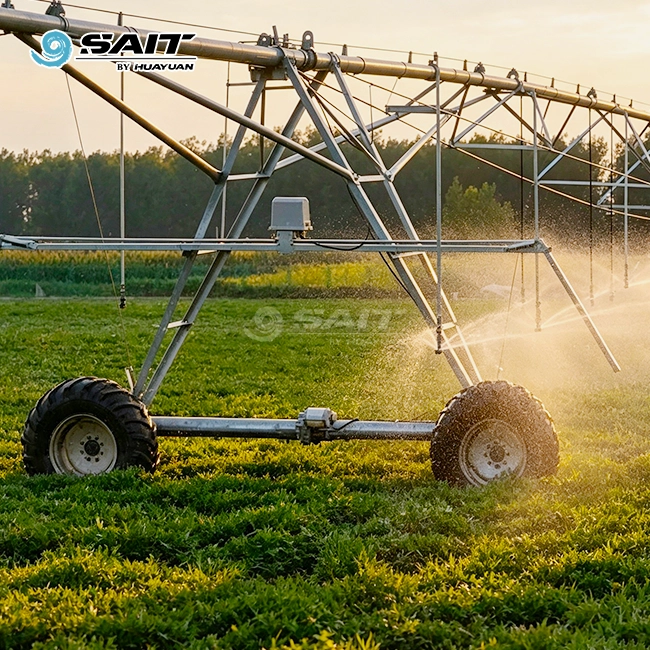
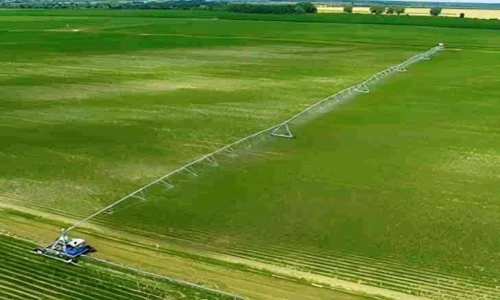
Moving a whole span structure perpendicular to its own length is how a Linear Travelling Irrigator works. This spreads water evenly across the width of a rectangular field. This motion makes it very different from center pivot systems, which turn around a fixed point and don't water the corners, wasting about 21% of the square field area.
How the Technology Works
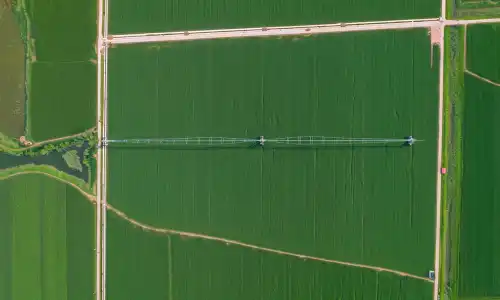
The total length of the equipment is up to 973 meters, and span parts of 37.5 meters, 43.3 meters, 49.1 meters, or 54.9 meters can be set up. To handle uneven field edges, overhang lengths run from 2.7m to 25m. Each tower moves at the same time, following a furrow, a buried wire, or BDS/GPS dual-mode satellite tracking to stay perfectly aligned over lengths of up to 3,000 meters. It's a good choice for large commercial operations because a single unit can water up to 240 hectares.
Practical Crop and Field Compatibility
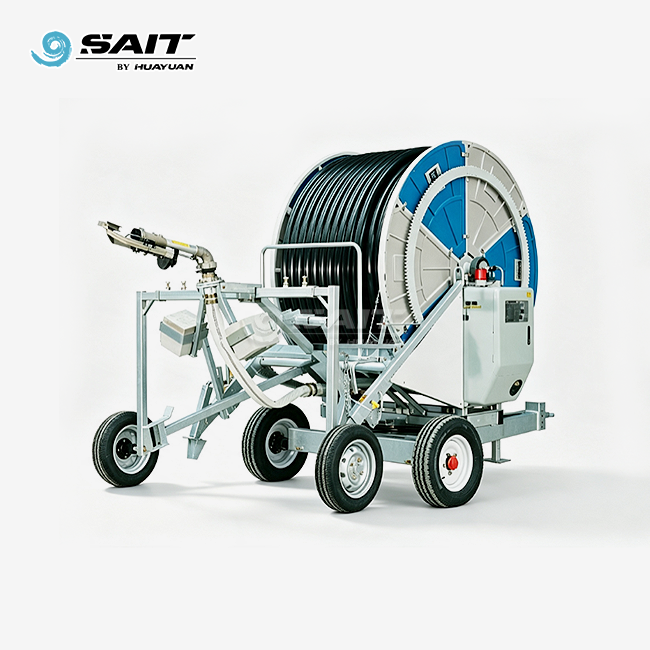
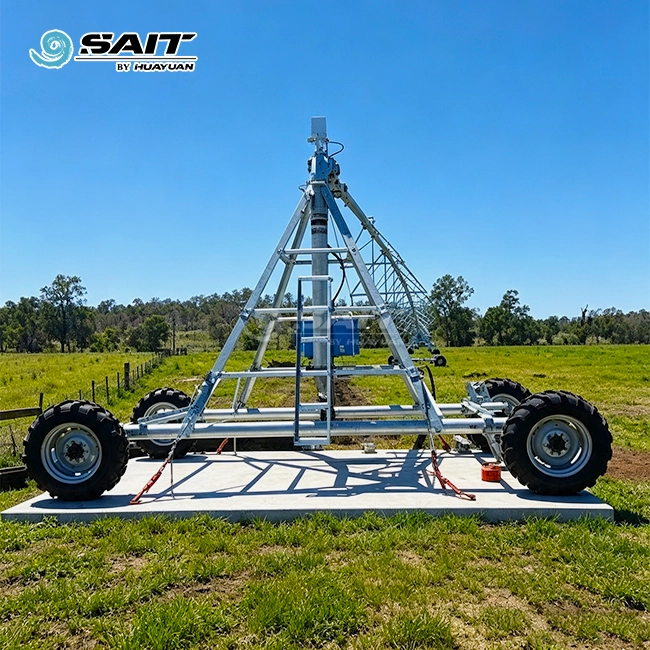
This technology works well for vegetable farms, orchards, nurseries, sugarcane farms, and grain farms. It also helps with fertigation, which is when fertilizer is injected directly into the irrigation pipeline. This saves time and makes it easier for plants to take in nutrients. Three types of Travelling Irrigators are available: two-wheel linear irrigation for smaller, easier-to-maneuver setups; four-wheel linear irrigation for heavy loads and wide areas; and swing-around linear irrigation that can be towed between fields. High-clearance span choices make it possible to grow crops with tall stalks, like sorghum and corn.
Comparing Linear Irrigation Systems: Making the Right Choice
A lot of the time, procurement teams compare Travelling Irrigators to center pivots, drip irrigation, and moving gun systems. Each has valid uses, and the choice depends on the shape of the field, the source of water, the terrain, and the budget.
Center pivots work well in circular areas and cost less per hectare when used on square or circular plots. On the other hand, a Linear Travelling Irrigator covers over 98% of rectangular fields with a length-to-width ratio greater than 2:1, while a standard pivot only covers about 79%. This difference directly affects crop revenue per acre. Drip irrigation is the most efficient way to use water, but it is much more expensive to set up and doesn't work well for annual row crops that need to be tilled. Traveling guns are flexible, but they don't evenly distribute the water; their Coefficient of Uniformity (CU) is usually less than 80%, while precision tip packages on a well-configured Travelling Irrigator can get a CU of 90% or more.
The choice of guidance system has a big impact on the total cost of ownership as well. Furrow direction is the cheapest choice, but the field furrows need to be kept up. Using buried wire guidance makes things more reliable with less equipment on the ground. BDS/GPS dual-mode satellite guidance, which combines BeiDou navigation and IoT algorithms, provides sub-meter tracking accuracy without any in-field infrastructure. This is especially helpful for big operators who are in charge of many goods at once.
Maintenance and Troubleshooting: Ensuring Long-Term Efficiency
A disciplined maintenance schedule and easy access to genuine replacement parts are very important for a machine's operational reliability over a 15–20 year lifespan.
Here are the core maintenance priorities every operator should schedule:
- Gearbox lubrication checks: Check the amount of lube every season and change the oil completely every 1,000 hours of use. The water turbine's 4-speed gearbox, which is a custom design made from wear-resistant gear alloys, keeps the speed stable. Not lubricating the gears speeds up wear and cuts down on service times.
- Galvanization integrity inspection: Hot-dip galvanized layers that are more than 80µm thick protect against corrosion for a long time. Check the layer on the wheel hubs and joint connections once a year for damage, especially in areas with a lot of moisture or salty soil. Damaged areas should be primed with a zinc-rich paint before they are coated again.
- Guidance system calibration: The sensors that track satellites and cables need to be calibrated on a regular basis to keep structures from bowing during transit. When misalignment builds up over several passes, it can put stress on span connections and cause pipe joints to break.
These upkeep steps take care of the most common ways that Linear Travelling Irrigators break down. When compared to reactive repair methods, operators who keep up with scheduled maintenance report much lower costs for each season of downtime.
After doing regular maintenance, a catch-can outdoor test to make sure the water spread is still even shows that the nozzle's performance has not changed. Pressure leakage testing at 1.5× working pressure during yearly startup finds seal wear and tear before it leads to failures in the field.
Procurement Considerations: Cost, Installation, and Support Services
Evaluating Total System Cost
On circle fields, a Travelling Irrigator costs more per acre than a center pivot. On rectangular fields, however, the cost difference is the other way around. When buyers are looking at 3–10 units for a project, they should ask for a field shape efficiency analysis that compares the actual coverage area instead of the nominal capacity. Over a 10-year period, the type of power supply (towed cable vs. diesel generator) also has a big impact on operating costs. Generator-powered systems cost more to run, but they can be used in places that don't have access to the power grid.
Installation and Delivery Logistics
The usual lead time for shipping is one week from the time the order is approved. The Huaihai Economic Zone has hub-level transportation infrastructure that supports HUAYUAN SAIT's production base near Xuzhou. This lowers logistics costs and speeds up export schedules for foreign buyers. Each unit comes with on-site installation supervision and user training. This solves the most common problem buyers have with Travelling Irrigators, which is that the initial guide calibration is hard to understand.
Pipe sizes of 168 mm and 219 mm can be used for both low-flow and high-flow water supply systems. There are two types of water supply modes: canal and drag hose. This means that the system can be used whether the field has set mainline hydrants or depends on surface water sources.
Best Practices for Maximizing the Value of Your Lateral Move System
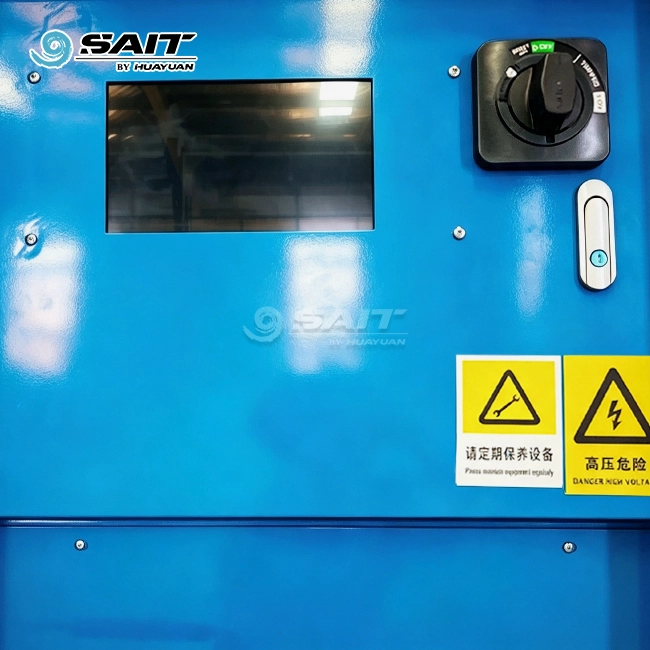
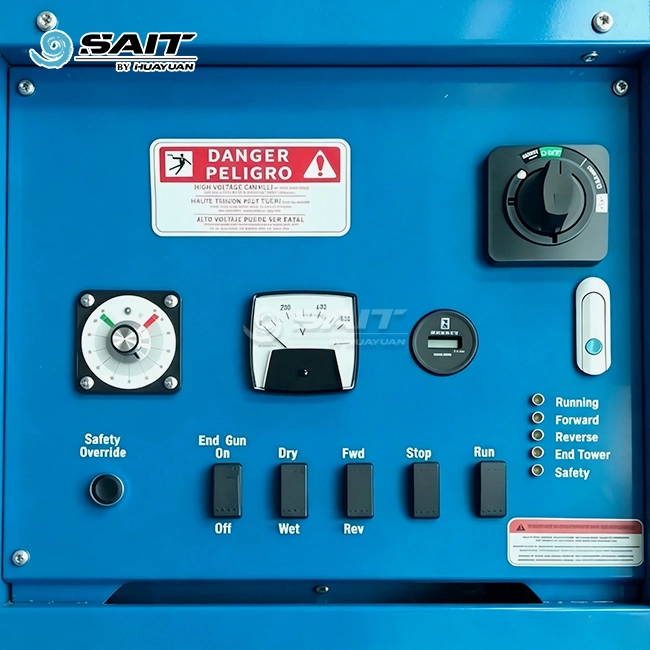
To get the most return on investment (ROI) from a Travelling Irrigator, the configuration of the machine needs to match up with the realities of farming. With variable rate irrigation, operators can change the depth of the application across different soil zones in a single pass. This keeps light soils from getting too much water and heavy clay areas from getting too little. Remote control systems let you keep an eye on and make changes to machines without being there in person, which is very helpful when you need to manage several units in nearby areas.
At the start of each season, connect soil moisture sensors to the system to set a baseline schedule. Travel speed should be matched with evapotranspiration data instead of set dates. This method always does a better job than static timing at both saving water and keeping yields stable over time. When you combine IoT connectivity with BeiDou-guided positioning on a smart platform, you can do real-time diagnostics and get remote fault alerts, which greatly reduces the time it takes for a technician to arrive.
Conclusion
A Linear Travelling Irrigator will provide years of reliable, high-coverage field performance if you choose it carefully. Before making a choice, the field's shape, water source, power availability, and ability to handle long-term upkeep must all be honestly evaluated. The best results are always seen by operators who put money into choosing the right guidance system, repairing the gearboxes regularly, and making schedules based on data. A well-specified Travelling Irrigator is an investment in long-term infrastructure rather than a purchase of a commodity. It has a maximum machine length of 973 meters, multiple guidance modes, and coverage that is confirmed to be higher than 98% on rectangular plots.
FAQ
1. What is the core difference between canal water supply and drag hose supply on a lateral move system?
A traveling pump in a canal draws water directly from an open ditch that runs parallel to the field. This makes it perfect for large areas where water is always available. A flexible reinforced hose called a drag hose supply ties the machine to a fixed mainline hydrant. This works well in fields without surface ditches, but the Travelling Irrigator's maximum journey distance is limited by the length of the hose.
2. How does the machine maintain straight-line tracking over long distances?
The system can be guided by a physical furrow on the field surface, a sensor wire buried in the ground, or BDS/GPS dual-mode satellite tracking. Satellite guidance changes the speeds of each tower automatically based on real-time location data. This keeps the towers in alignment with an accuracy of less than one meter over lengths of up to three thousand meters.
3. Can lateral move systems handle uneven terrain?
Depending on the length of the span and the way the wheels are set up, flexible joint span configurations can work on slopes of up to about 15%. Wheel sizes (11.2-24, 14.9-24, and 16.9-24, with or without tubes) are chosen based on the field's surface conditions and the soil's ability to hold weight.
4. How often should gearboxes be serviced?
Every season, check the amount of lube and change the oil completely every 1,000 hours of use to keep the gears from wearing out and the speed control stable.
Partner With HUAYUAN SAIT for Your Next Lateral Move Irrigation Project
When it comes to Linear Travelling Irrigators, HUAYUAN SAIT has 20 years of experience making them, more than 130 patents, and can deliver them in just one week. Our systems use BeiDou satellite guidance, PE pipes that we make ourselves, and buildings made of hot-dip galvanized steel that are designed to withstand harsh conditions. You can choose between OEM and ODM configurations. To get a price from a reliable linear irrigation machine provider, email our technical team at kevin@showyirrigation.com.
References
1. Keller, J., & Bliesner, R. D. (1990). Sprinkle and Trickle Irrigation. Van Nostrand Reinhold. Referenced in the discussion of center pivot corner wastage.
2. Food and Agriculture Organization of the United Nations. (2014). Crop Water Requirements and Irrigation Scheduling.
3. Doane, M., & Martin, D. L. (2017). Center Pivot and Linear Move Irrigation Field Coverage Analysis. University of Nebraska–Lincoln Extension. Referenced in the coverage comparison between pivot and lateral move systems.
4. Zhang, C., et al. (2022). "BeiDou Navigation Satellite System Applications in Precision Agriculture."
5. Evans, R. G., & King, B. A. (2012). Site-Specific Sprinkler Irrigation in a Water-Limited Future.
6. Evett, S. R., Colaizzi, P. D., & O'Shaughnessy, S. A. (2020). "Variable Rate Irrigation: Advances and Adoption."
Get a tailored irrigation solution for your project — our engineering team is ready to support you from design to installation.